
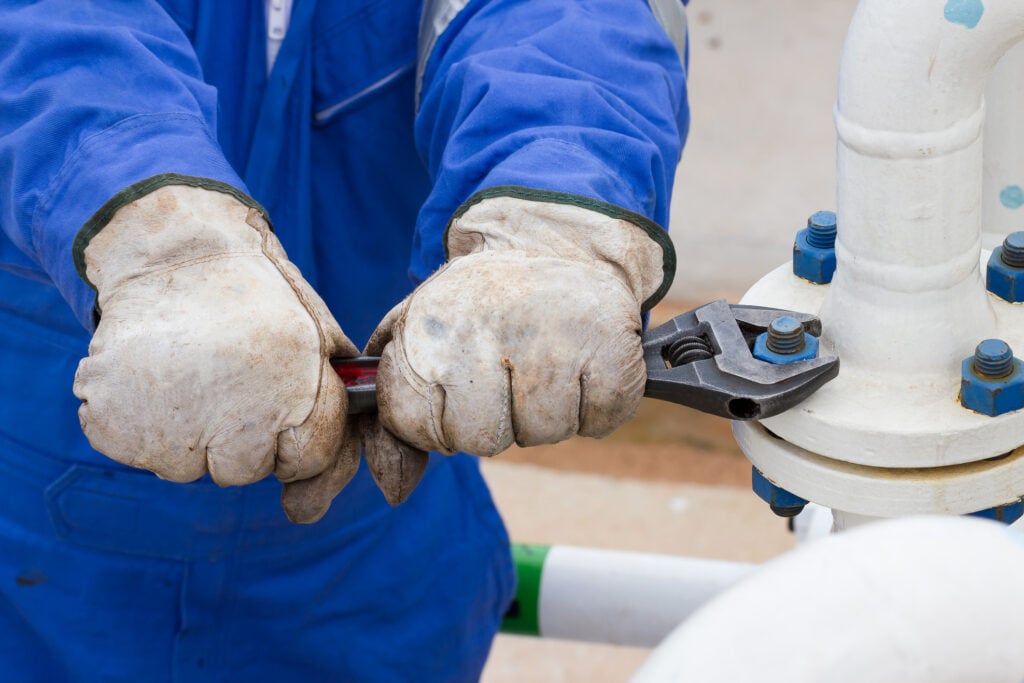
Anytime you perform repairs or maintenance on your private well system, there’s a risk of introducing contaminants. Whether you’ve replaced the pump, repaired the well casing, or installed new plumbing, testing your well water afterward is crucial to ensure safe drinking water. In this article, we’ll explain why post-repair testing is necessary, what to check for, and how to do it correctly.
Why Testing After Repairs is Essential
When you repair or maintain your well, contaminants can enter the system through:
- Opening the Well Cap: This exposes the well to airborne bacteria, dust, and debris.
- New Plumbing or Equipment: Residual chemicals from manufacturing or installation can leach into the water.
- Disturbing Sediment: Repairs can stir up sediment at the bottom of the well, potentially releasing trapped contaminants.
What to Test For After Repairs
To ensure your water is safe after repairs or maintenance, consider testing for the following contaminants:
- Total Coliform Bacteria and E. coli: To check for bacterial contamination from airborne particles or surface water intrusion.
- Chemical Residues: If new pipes, pumps, or fittings were installed, test for volatile organic compounds (VOCs) and other chemicals.
- pH and Turbidity: Changes in pH or water clarity may indicate contamination or sediment disturbance.
When to Test Your Well Water
The best time to test your well water after repairs is:
- Immediately After Repairs: To detect any contamination introduced during the repair process.
- One to Two Weeks Later: To ensure the water system has stabilized and contaminants haven’t lingered or multiplied.
- After Shock Chlorination: If you disinfected the well after repairs, wait until all chlorine has flushed out before testing.
How to Properly Test Your Well Water
- Choose a Certified Laboratory: Select a reputable lab to ensure accurate results.
- Collect Samples Correctly: Follow the lab’s guidelines to avoid contamination during sample collection.
- Retest if Necessary: If contaminants are detected, take corrective actions and retest to confirm water safety.
Conclusion
Testing your well water after repairs or maintenance is essential for maintaining safe drinking water. By checking for bacteria, chemical residues, and other contaminants, you can ensure your water remains clean and safe for your household.
Learn more about water testing services today.
