Free Shipping on Orders of $100 or More

Table of Contents

What to Consider Before Installing a Private Well

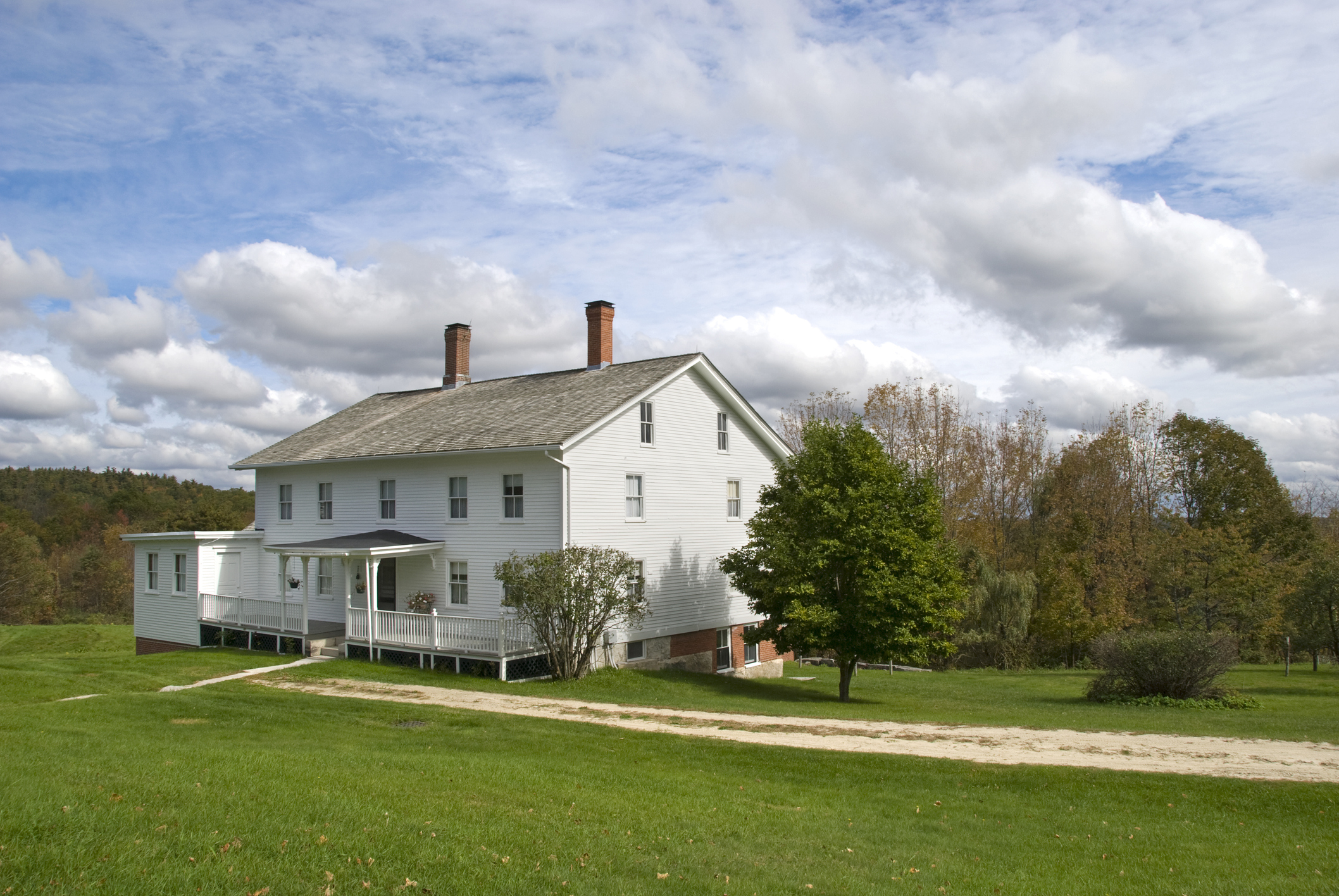
A white wooden farmhouse in a rural setting.

Installing a private well is a major investment that can provide a reliable water source for your property. But before you start drilling, there are several critical factors to consider to ensure long-term water quality and quantity. In this guide, we’ll explore the three key prerequisites you should evaluate before installing a private well: geographic restrictions, economics, and water source availability.

Geographic Restrictions: Location is Everything

The location of your private well is crucial for determining its performance and longevity. Here are some geographic factors to consider:

  • Terrain and Access: If the well site is in a remote or rugged area, it may limit the type of well you can install. For instance, if only small tools can reach the site, a shallow or driven point well may be your only option.
  • Surrounding Contamination Sources: It’s essential to check for nearby contamination risks, such as fuel stations, wetlands, or old junkyards, which could compromise water quality.
  • Historical Land Use: Investigate the property’s history to identify any previous activities that could have contaminated the groundwater, such as industrial operations or dumping sites.

Economic Considerations: Budgeting for Success

Private well installation costs can vary significantly depending on the type of well and the site’s geographic characteristics. Here are some cost factors to keep in mind:

  • Well Type and Depth: Shallow or driven point wells are more affordable but may not meet long-term water demands. In contrast, drilled wells provide a more reliable supply but come with higher installation costs.
  • Construction Quality vs. Filtration Needs: Investing in a high-quality well reduces the need for extensive filtration systems. Conversely, cutting costs on the well’s construction may require more expensive water treatment solutions.
  • Maintenance Costs: Remember that a well system requires ongoing maintenance, including regular inspections, water testing, and potential repairs.

Water Source Availability: Is There Enough Water?

Before committing to a well installation, assess the availability and sustainability of the water source. Consider the following:

  • Aquifer Depth and Recharge Rate: Some areas have deep aquifers that provide a stable water supply, while others depend on shallow water tables prone to seasonal fluctuations.
  • Coastal and Island Limitations: If your property is near a coastline or on an island, saltwater intrusion could affect the well’s usability. In these cases, shallow wells may be more practical.

Conclusion

Planning is the most important step in installing a private well. By carefully considering geographic restrictions, economic factors, and water source availability, you can choose the best well type for your property and ensure a reliable, high-quality water supply for years to come.

Share this

Recent Post

Related Post.

A Boil Water Advisory Just Hit Washington DC. Here’s the Lesson Every City Water Customer Needs to Hear

On June 5, 2026, residents in nearly a dozen neighborhoods in Northwest Washington DC started noticing something wrong with their water pressure. DC Water received calls from customers experiencing low to no pressure at multiple locations at the same time the Fort Reno Pumping Station was experiencing fluctuating power issues, with a full loss of power hitting at around 12:30 p.m.

Read More »

The States With the Worst Tap Water in 2026: What Homeowners Need to Know

No state in America has perfectly clean tap water. That is not a dramatic claim. It is simply what the data shows. Based on EPA violation data, contaminant testing, and infrastructure assessments, the states with the most documented tap water problems in 2026 are Texas, California, New York, New Jersey, Florida, Pennsylvania, Louisiana, Arizona, Wisconsin, and Massachusetts. The most common problems across these states are PFAS, lead service lines, disinfection byproducts, arsenic, and nitrates.

Read More »
A white wooden farmhouse in a rural setting.

What to Consider Before Installing a Private Well

Related Post.