Algal Blooms and Cyanotoxins in Water Supplies
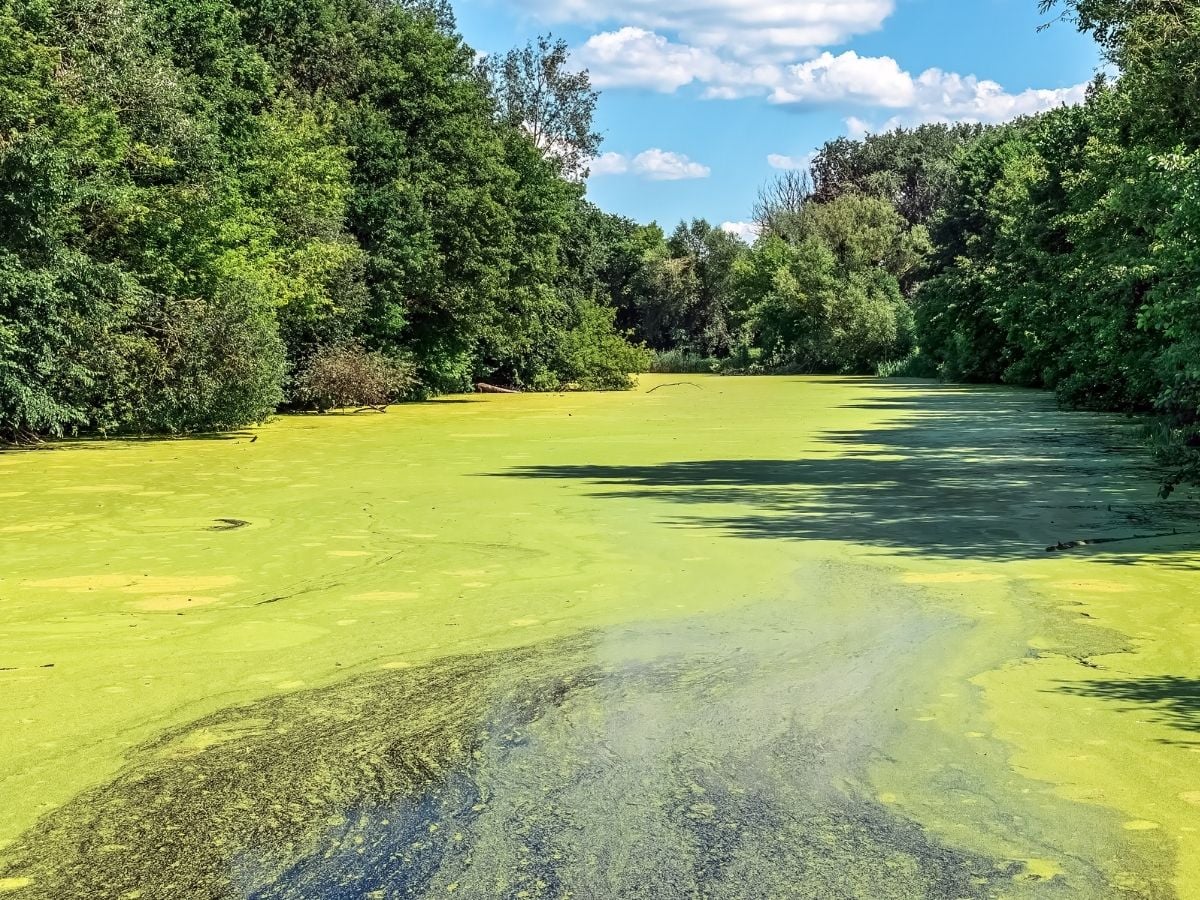
Every summer, as lakes and ponds warm up, you’ll start
Free Shipping on Orders of $100 or More
From the Lab by ETR Laboratories
On June 18, 2026, the World Health Organization released an updated edition of its Guidelines for Drinking Water Quality, the most authoritative global reference document on what safe drinking water actually means and how to achieve it. This was not a routine administrative update. The updated edition reflects new evidence, strengthened guidance on proactive water supply risk management, small water supplies, microbial risks, and selected chemical hazards. It supersedes all previous editions.
The update matters for an American audience even though WHO guidelines are not binding on the United States, because the direction of the science and the gaps the WHO is flagging are the same ones playing out in the domestic regulatory debate right now.
Microbial contamination remains the most significant risk to drinking water safety according to the updated guidelines, which strengthen evidence and management guidance for all covered pathogens, clarify the role of waterborne transmission, and identify potential concerns in health care facilities. New fact sheets for emerging viruses have also been developed.
The update also addresses pesticides used for vector control in drinking water and strengthens guidance on risk-based approaches to water safety planning. The framework the WHO emphasizes is preventive rather than reactive: identify risks before they become health threats, manage water supplies proactively, and verify through independent surveillance that the management is actually working.
The WHO is now initiating a more comprehensive fifth edition process that will include evidence reviews on PFAS and disinfection byproducts as priority areas of significant concern. The world’s foremost public health authority is formally acknowledging that its current guidance on some of the most pressing water quality issues needs to be substantially updated. That process takes years. In the meantime, the contaminants under review are already in water supplies around the world, including in the United States.
Despite progress, 2.1 billion people globally still lack safely managed drinking water, including 106 million who drink directly from rivers, lakes, or other surface water sources. That’s the global picture. The American picture is different in degree but not entirely in kind. Aging infrastructure, unregulated contaminants, and the gap between what utilities are required to test for and what researchers know is present in water supplies are well-documented domestic problems.
The WHO update lands at a moment when the domestic regulatory environment is moving in the opposite direction. The EPA is proposing to roll back limits on four PFAS compounds and extend compliance deadlines on others. The WHO is strengthening its evidence base and preparing to add PFAS and disinfection byproducts as priority review areas for its next edition. These two trajectories are worth holding in your mind at the same time.
A rule change does not change your water. The science behind why PFAS at low concentrations matters has not changed because of a regulatory proposal. What changes is whether your utility is legally required to address it, and on what timeline. The WHO update is a reminder that the direction of scientific consensus on drinking water safety is toward greater caution, not less, even as domestic regulation moves differently.
The WHO’s emphasis on proactive, preventive risk management rather than reactive response is directly applicable at the household level. Waiting for a boil water advisory, a utility violation notice, or a regulatory update to tell you something is wrong with your water is the reactive approach. Testing your water, understanding what you find, and making informed filtration decisions based on actual results is the preventive one.
That is especially true for private well owners, who have no regulatory body monitoring their supply, and for city water customers who rely on annual utility reports that reflect what left the treatment plant rather than what arrives at their tap.
At ETR Laboratories, comprehensive water testing is the starting point for the kind of proactive water quality management the WHO’s updated guidelines describe. Contact us for a free consultation at or browse our water testing options.
World Health Organization — WHO unveils third addendum to Guidelines for drinking-water quality (June 18, 2026) — who.int
WHO — Guidelines for Drinking-Water Quality: Fourth Edition incorporating the first, second and third addenda — who.int
Every summer, as lakes and ponds warm up, you’ll start
If you’ve seen headlines this summer about a fast-growing outbreak
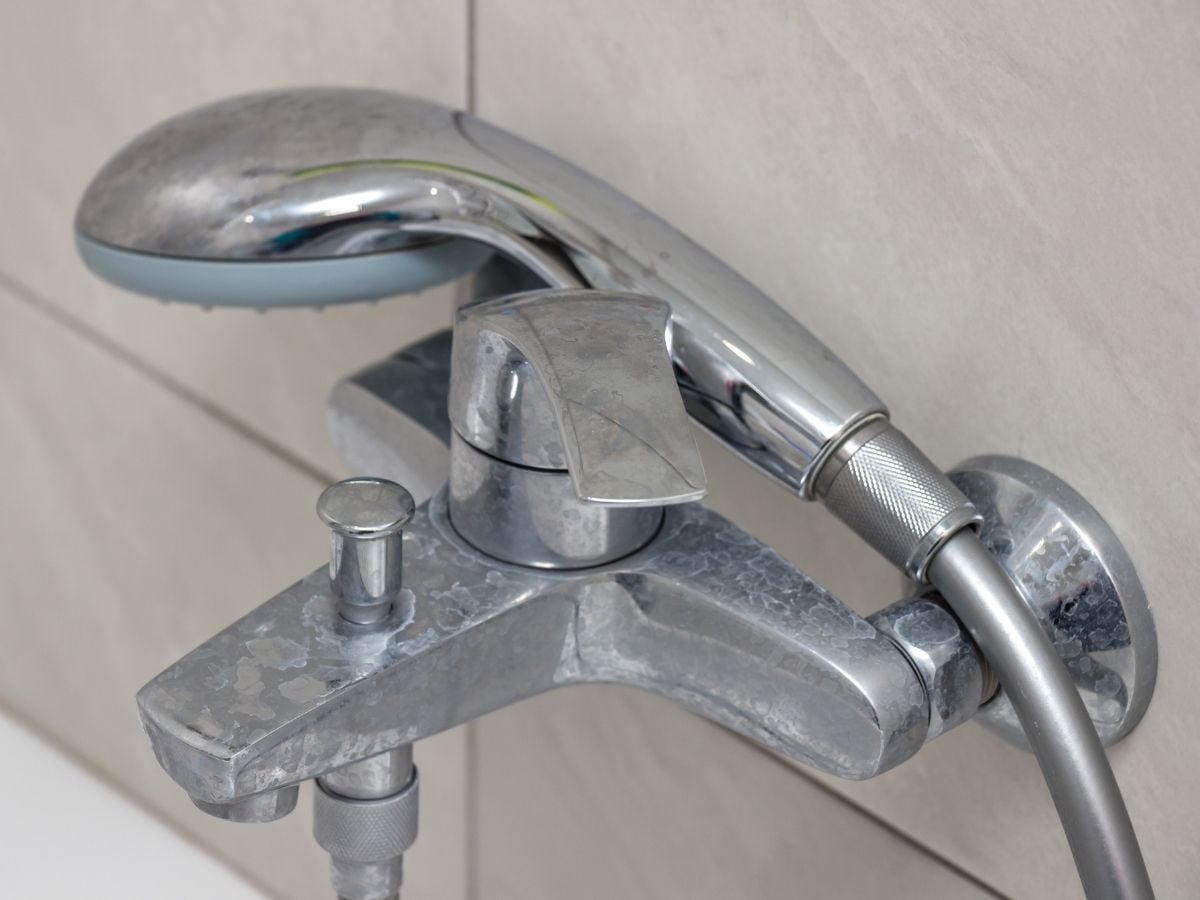
Run a glass through the dishwasher and pull it out
Related Post.
Algal Blooms and Cyanotoxins in Water Supplies
Every summer, as lakes and ponds warm up, you’ll start seeing the headlines: a beach
The 2026 Cyclospora Outbreak: What It Actually Means for Your Water
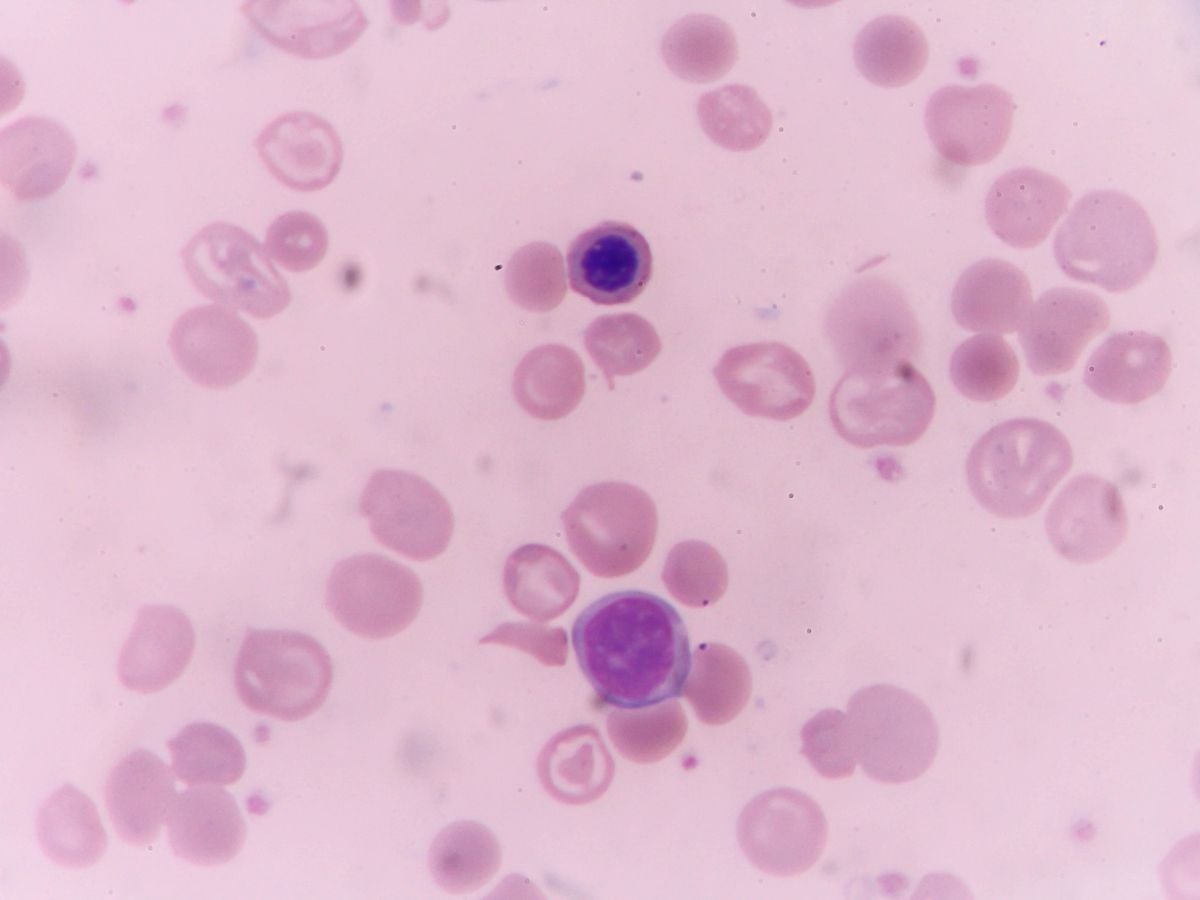
If you’ve seen headlines this summer about a fast-growing outbreak of diarrheal illness sweeping across
White Residue on Fixtures and Dishes: What It Means
Run a glass through the dishwasher and pull it out cloudy. Wipe down the shower
Water Testing Labs Near Me: How to Choose the Right Lab
A search for water testing near you usually turns up dozens of companies claiming to
Whole-House Reverse Osmosis System vs. Under-Sink RO
From the Lab by ETR Laboratories Reverse osmosis has been a common option for treating
Tannins in Well Water: Causes, Signs, and Treatment
Most people would blame the presence of iron when they see their water take on a yellow or tea-colored tint. Maybe your white laundry is slowly turning beige, or you have noticed an earthy smell coming from the tap.
What Are Emerging Contaminants? Types, Sources, and Risks – 2026
It’s almost natural to pinpoint lead or bacteria as typical water contaminants since they have been part of the public conversation for decades, but scientists have now begun paying attention to a different group of substances called emerging contaminants.
Legionella in Water: Home Plumbing and Water Heater Risks
It’s easy to assume nothing is wrong inside your pipes if your water looks clear and tastes normal. Most people overlook the effects of Legionella in water for exactly that reason. It’s a kind of bacteria that can build up inside home plumbing
The World Health Organization Just Updated Its Drinking Water Guidelines. Here’s What It Means.
On June 18, 2026, the World Health Organization released an updated edition of its Guidelines for Drinking Water Quality, the most authoritative global reference document on what safe drinking water actually means and how to achieve it
What a Polluted San Diego Bay Tells Us About the Water Closest to You
Mission Bay in San Diego draws an estimated 15 million visitors a year. It’s one of the most popular recreational water destinations in the country. And according to a report released in June 2026, it has a serious water quality problem that isn’t going away when it stops raining.
Last Friday night, during a torrential rainstorm, a 42-inch sewer force main near Haverhill’s main pumping station failed. The pipe, which carries wastewater from the city’s main pump station to its treatment plant, dates back to the 1970s.
On June 5, 2026, residents in nearly a dozen neighborhoods in Northwest Washington DC started noticing something wrong with their water pressure. DC Water received calls from customers experiencing low to no pressure at multiple locations at the same time the Fort Reno Pumping Station was experiencing fluctuating power issues, with a full loss of power hitting at around 12:30 p.m.
Related Post.
Every summer, as lakes and ponds warm up, you'll start seeing the headlines: a beach closed for a "harmful algal...

If you've seen headlines this summer about a fast-growing outbreak of diarrheal illness sweeping across the country, you're not imagining...

Run a glass through the dishwasher and pull it out cloudy. Wipe down the shower door and watch a chalky...