Free Shipping on Orders of $100 or More

Table of Contents

Who Sets the Standards for Private Well Water Quality?

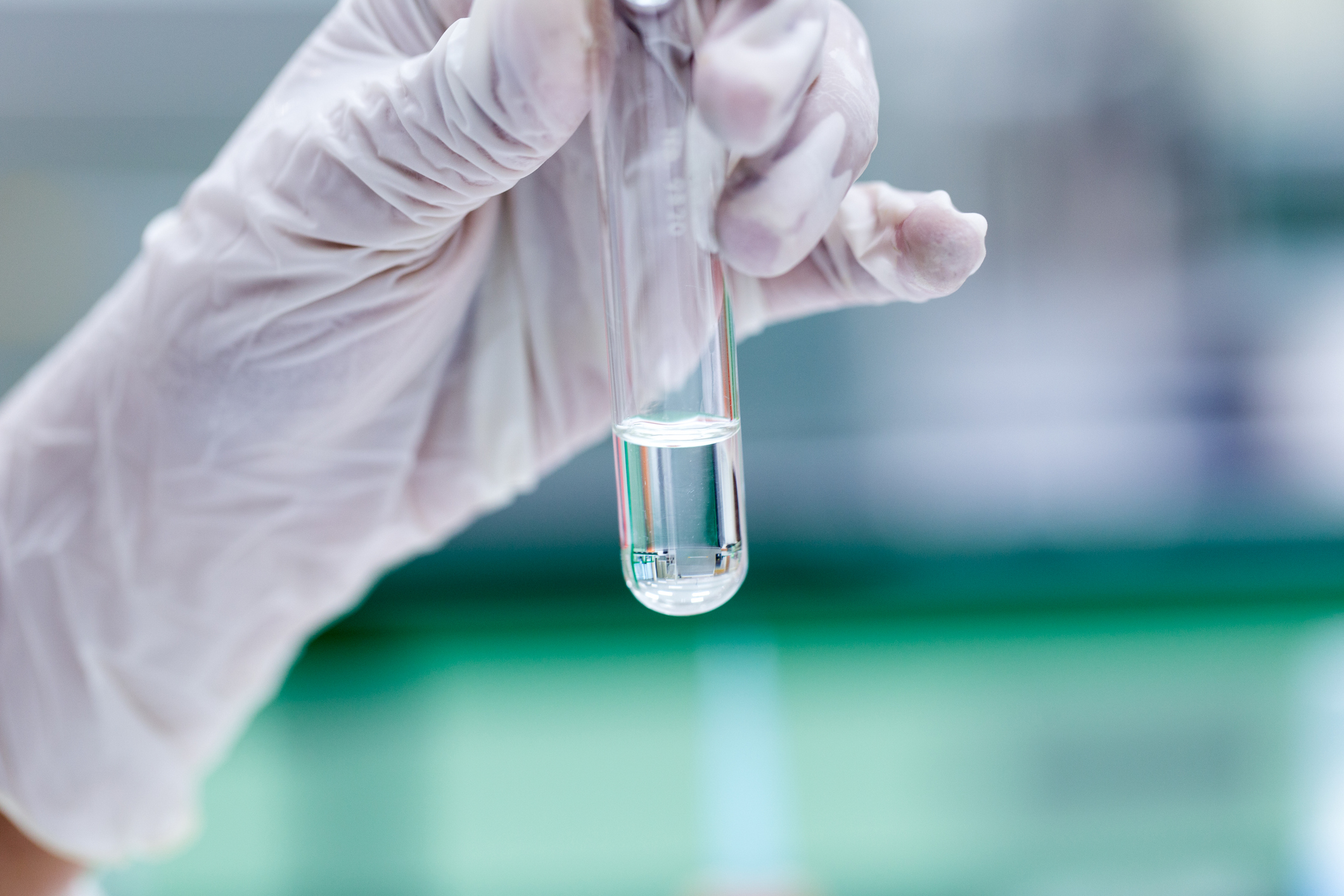
A laboratory filled with beakers and chemical solutions.

If you own a private well, you might wonder who determines the safety and quality standards for your drinking water. Unlike public water systems, which are heavily regulated, private wells fall into a gray area when it comes to water quality guidelines. In this article, we’ll explore who influences water quality criteria and why it’s crucial for private well owners to stay informed.

The Role of Government Agencies

In the United States, public water systems are regulated by the Environmental Protection Agency (EPA), which sets standards for contaminants to ensure safe drinking water. However, these regulations only apply to public water supplies, not private wells. So, who oversees private well water quality? The answer is a bit complicated.

  • Local Boards of Health (BOH): In some areas, the local BOH provides guidelines or recommendations, but they often base their standards on public water regulations, which may not be suitable for private wells.
  • State Departments of Environmental Protection (DEP): Some states have specific rules for private wells, but the extent of regulation varies widely across the country.
  • EPA’s Indirect Influence: Although the EPA does not regulate private wells directly, its guidelines for public water systems are often used as reference points for private well testing.

Why Public Water Standards Don’t Always Apply

Public water systems undergo extensive treatment and monitoring, making the EPA’s maximum contaminant levels (MCLs) suitable for treated water. In contrast, private wells are raw water sources that may naturally contain minerals and microbes. Therefore, applying public water standards to private wells may not always be appropriate.

Common Sense Guidelines for Private Wells

Since there are no federal laws governing private well water quality, it’s up to the owner to ensure safe drinking water. Here are some practical steps to consider:

  • Understand Your Environment: Test for contaminants that are common in your area, such as arsenic in certain geological regions.
  • Regular Testing: Conduct annual water tests, especially after heavy rains, floods, or changes in water taste or odor.
  • Consult Professionals: Seek advice from water testing experts who understand the unique characteristics of private wells.

Conclusion

Private well water quality is ultimately the responsibility of the well owner. While government agencies provide useful guidelines, they may not fully address the unique needs of private wells. By staying informed and proactive, you can ensure safe, high-quality drinking water for your household.

Share this

Recent Post

A Boil Water Advisory Just Hit Washington DC. Here’s the Lesson Every City Water Customer Needs to Hear

On June 5, 2026, residents in nearly a dozen neighborhoods in Northwest Washington DC started noticing something wrong with their water pressure. DC Water received calls from customers experiencing low to no pressure at multiple locations at the same time the Fort Reno Pumping Station was experiencing fluctuating power issues, with a full loss of power hitting at around 12:30 p.m.

Read More »

The States With the Worst Tap Water in 2026: What Homeowners Need to Know

No state in America has perfectly clean tap water. That is not a dramatic claim. It is simply what the data shows. Based on EPA violation data, contaminant testing, and infrastructure assessments, the states with the most documented tap water problems in 2026 are Texas, California, New York, New Jersey, Florida, Pennsylvania, Louisiana, Arizona, Wisconsin, and Massachusetts. The most common problems across these states are PFAS, lead service lines, disinfection byproducts, arsenic, and nitrates.

Read More »

Related Post.

A Boil Water Advisory Just Hit Washington DC. Here’s the Lesson Every City Water Customer Needs to Hear

On June 5, 2026, residents in nearly a dozen neighborhoods in Northwest Washington DC started noticing something wrong with their water pressure. DC Water received calls from customers experiencing low to no pressure at multiple locations at the same time the Fort Reno Pumping Station was experiencing fluctuating power issues, with a full loss of power hitting at around 12:30 p.m.

Read More »

The States With the Worst Tap Water in 2026: What Homeowners Need to Know

No state in America has perfectly clean tap water. That is not a dramatic claim. It is simply what the data shows. Based on EPA violation data, contaminant testing, and infrastructure assessments, the states with the most documented tap water problems in 2026 are Texas, California, New York, New Jersey, Florida, Pennsylvania, Louisiana, Arizona, Wisconsin, and Massachusetts. The most common problems across these states are PFAS, lead service lines, disinfection byproducts, arsenic, and nitrates.

Read More »
A laboratory filled with beakers and chemical solutions.

Who Sets the Standards for Private Well Water Quality?

Related Post.