Algal Blooms and Cyanotoxins in Water Supplies
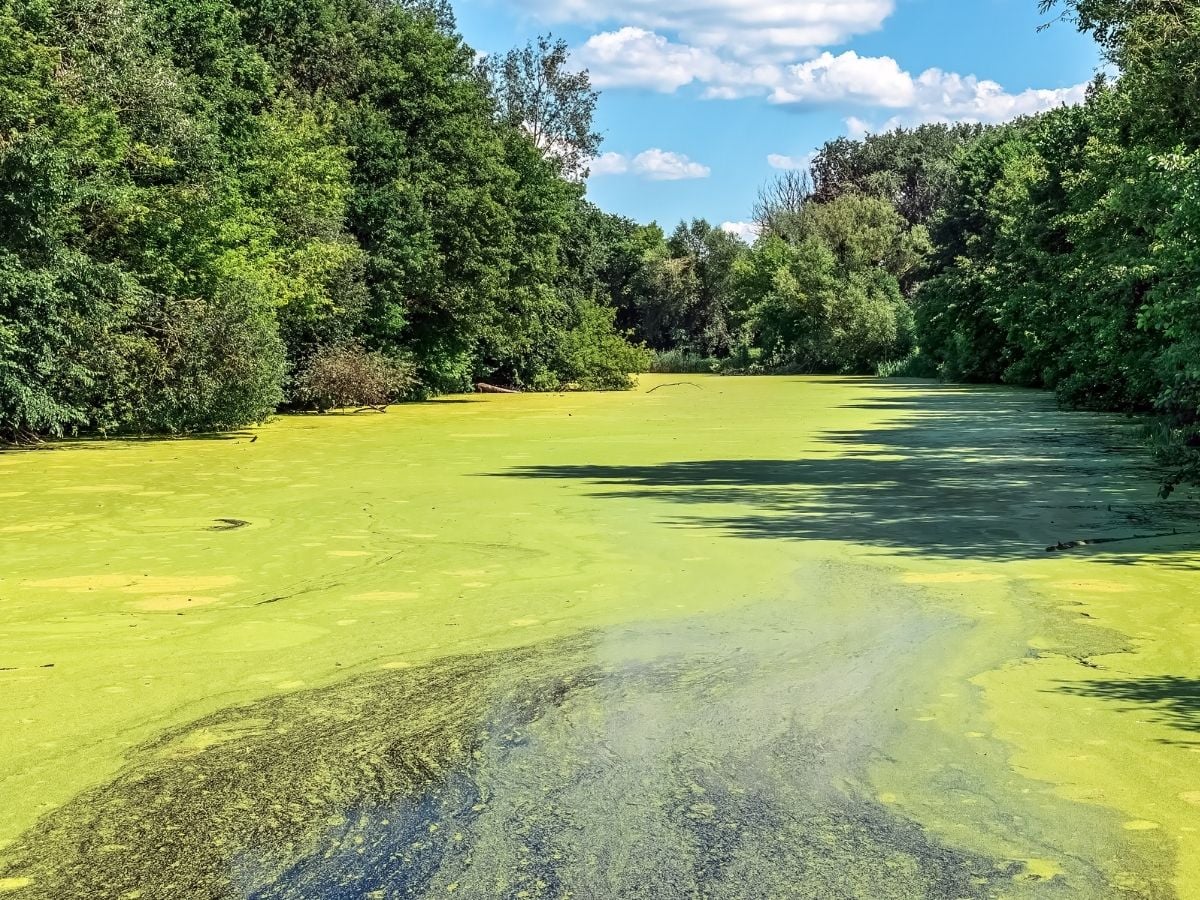
Every summer, as lakes and ponds warm up, you’ll start
Free Shipping on Orders of $100 or More
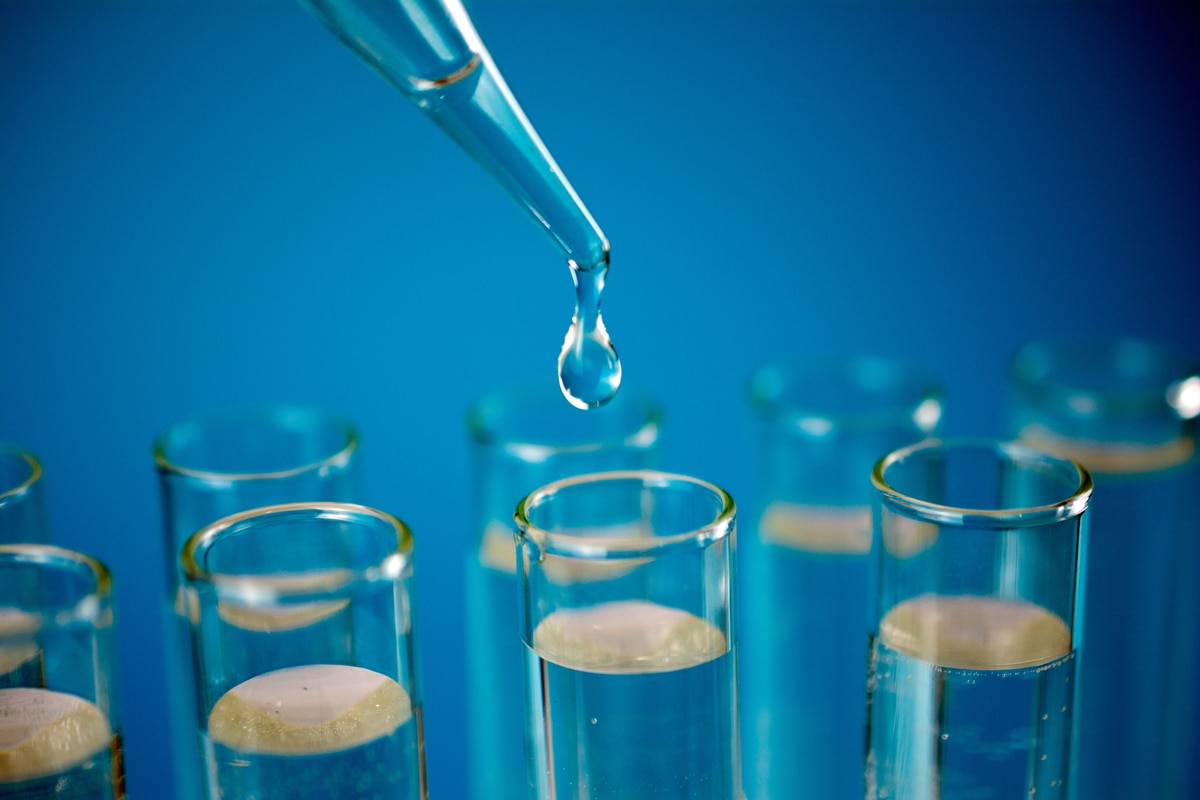
Bacterial water testing tells you whether your drinking water carries organisms that can make you sick. It works by measuring how much bacteria is in a sample and identifying which species are present, starting with the indicator organisms that signal a contamination problem.
This guide covers what bacterial water testing detects, how labs run it, how to know when your water needs it, and what to do if a test comes back positive.
Bacterial water testing measures a water source’s safety by estimating how much bacteria a sample contains and identifying which species are present.
The first stage does not detect dangerous organisms directly. Instead, it looks for “indicator organisms,” which are far more common in places with higher pathogen levels. Labs get more accurate, precise results from indicator bacteria because these species are much more plentiful than harmful ones.
E.coli, coliform bacteria, and Pseudomonas aeruginosa serve as indicator organisms. Coliforms and E. coli live in the digestive tracts of people and animals, so finding them can point to sewage reaching the water. For drinking water specifically, total coliform and E. coli are the primary indicators a lab looks for. A positive coliform result flags a possible contamination pathway, while a positive E. coli result points to fecal contamination, which is the more serious finding.
If indicator levels rise above the standards, analysts use specialized methods to identify which harmful organisms are present. Examples include Salmonella Typhi, the cause of typhoid, Vibrio cholerae, which causes cholera, and Cryptosporidium. Cryptosporidium is a parasite rather than a bacterium, so it is found through different tests than the bacterial methods covered here.
Labs test for bacteria by growing a water sample in conditions that let bacteria multiply, then counting and identifying what appears. The common methods are the plate count, membrane filtration, the multiple-tube method, and enzyme-based presence-absence tests.
The plate count is the most established of these.
There are several methods to test for bacteria, but plate count is the most reliable. A water sample and a nutrient agar is placed and sealed in clear dish. Agar contains substances that can help determine the type and amount of bacteria in the sample. For example, some species will absorb the agar’s color as they grow and some will remain colorless.
After incubation for about 24 hours, colonies of bacteria will grow large enough to see with the naked eye. Analysts count the number of colonies on the plate.
Plate count works best with 30-300 colonies. Often, multiple samples with different levels of dilution will be cultured so at least one of them will fit this ideal range. The total number of colonies found is multiplied by the dilution used, so the final calculation estimates the total concentration of bacteria in the original water sample.
Most of these run in a lab, which raises a common question about doing it yourself.
Yes, you can test your water for bacteria at home with a DIY kit, but a certified lab gives far more reliable results. Home kits offer a quick yes-or-no screen, while a lab tells you which organisms are present and at what level.
Home test strips or vials change color when bacteria are present, which is useful for a fast check. They are less accurate than lab analysis, so a positive home result is best confirmed by a lab, and anyone testing because of illness or flooding should rely on a lab from the start. For a lab test, you request a sterile sample bottle, collect the water exactly as instructed, and return it within about 24 hours so the sample stays valid.
Either way, knowing the warning signs helps you decide when to act.
The hard part about bacterial contamination is that you usually cannot see, smell, or taste it, which is the whole reason testing exists. A few signs still raise the odds that something is wrong.
Cloudy or discolored water, a musty or sewage-like odor, or a sudden change in taste can all point to a problem. So can outside events: a well that has flooded, a nearby septic system acting up, or recurring stomach illness among the people and pets drinking the water. None of these confirms bacteria on its own, but any of them is a reason to test rather than wait.
Some contamination shows up fast and some builds slowly, which shapes how often you should test.
Test your water right away if you notice a problem, and on a regular schedule even when nothing seems wrong. Some bacteria can quickly cause illness. Others gradually worsen your health over a long time.
If you use a well or other private water source, get a professional water analysis ASAP if you notice a change in odor, taste, or appearance of the water; the well is breaks or floods; a nearby septic system malfunctions; or family members or guests have recurring symptoms of gastrointestinal illness.
Even if water seems safe, it must be tested regularly for slow-acting bacteria. Public drinking water is required to be checked at least yearly. It’s typically checked more frequently, sometimes as often as hourly. The National Ground Water Association (NGWA) recommends testing private well water at least once a year.
If your water tests positive for bacteria, stop drinking it, switch to bottled or boiled water, disinfect the well, fix whatever let the bacteria in, and retest before you trust it again.
First, stop using the water for drinking and cooking. Boil it for at least one minute or switch to bottled water until the problem is solved. A positive E. coli result is more serious than total coliform alone, since it points to fecal contamination, and it is worth contacting your local health department.
Next, shock chlorinate the well to kill the bacteria, ideally with a disinfection agent made for wells rather than household bleach, which is harder to flush out. At the same time, look for the entry point: a cracked casing, a loose or damaged well cap, a failed grout seal, or a septic system too close to the well. Shock chlorination clears the bacteria that are there, but if the pathway stays open, the contamination returns.
Finally, retest once the chlorine has fully flushed out, usually a week or two later, and again a few months after that. For a well that keeps testing positive, a continuous system such as UV disinfection is the dependable long-term fix.
The most common bacteria found in water are coliform bacteria, a broad group that lives in soil, plants, and the digestive tracts of people and animals. E. coli, a specific member of that group, is the one labs watch most closely because it signals fecal contamination.
Five harmful bacteria that can travel through water are E. coli O157:H7, Salmonella, Shigella, Campylobacter, and Vibrio cholerae. Each can cause serious gastrointestinal illness, which is why a positive indicator test matters.
Water can be contaminated by leaking or failing septic systems, runoff and flooding that carry waste into a well, cracks in the well casing, a damaged or loose well cap, and surface water seeping in around a poorly sealed wellhead.
Contaminated water can cause cholera, typhoid, dysentery, hepatitis A, and gastroenteritis, along with parasitic infections like giardiasis and cryptosporidiosis. Most bring stomach and intestinal symptoms, and some can be dangerous for children, older adults, and anyone with a weakened immune system.
Bacterial water testing only protects you if the lab behind it is accurate. A water testing lab or your county water department can explain how to collect a proper sample and what your results mean.
Environmental Testing & Research Laboratories (ETR) runs every test in its own in-house lab, staffed by its own scientists, and because it does not sell filters or treatment systems, its guidance comes without a sales pitch attached. For a well that tests positive, ETR also offers a do-it-yourself chlorination kit with easy directions, gloves, and a chlorination agent made for potable wells, an approach that is safer and more effective than shocking a well with household bleach or pool chlorine, which leave behind odor and heavy metals.
Every kit includes a free post-treatment test: fourteen days after chlorinating, you mail a sample back to confirm the bacteria are gone, which most kits on the market do not include. Shipping is free on orders of $100 or more.
Order a water test or call ETR at (800) 344-9977 if you have any questions.
Every summer, as lakes and ponds warm up, you’ll start
If you’ve seen headlines this summer about a fast-growing outbreak
Run a glass through the dishwasher and pull it out
Related Post.
Algal Blooms and Cyanotoxins in Water Supplies
Every summer, as lakes and ponds warm up, you’ll start seeing the headlines: a beach
The 2026 Cyclospora Outbreak: What It Actually Means for Your Water
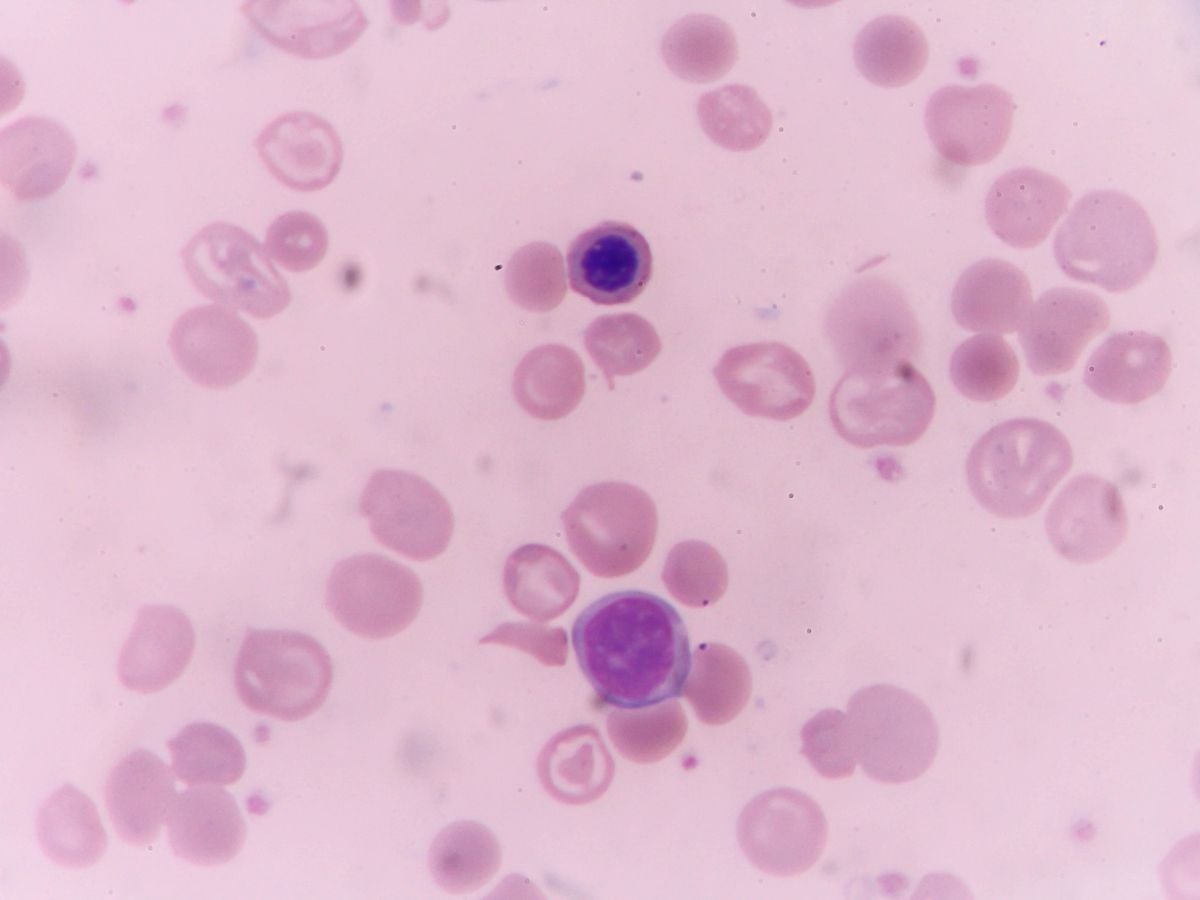
If you’ve seen headlines this summer about a fast-growing outbreak of diarrheal illness sweeping across
White Residue on Fixtures and Dishes: What It Means
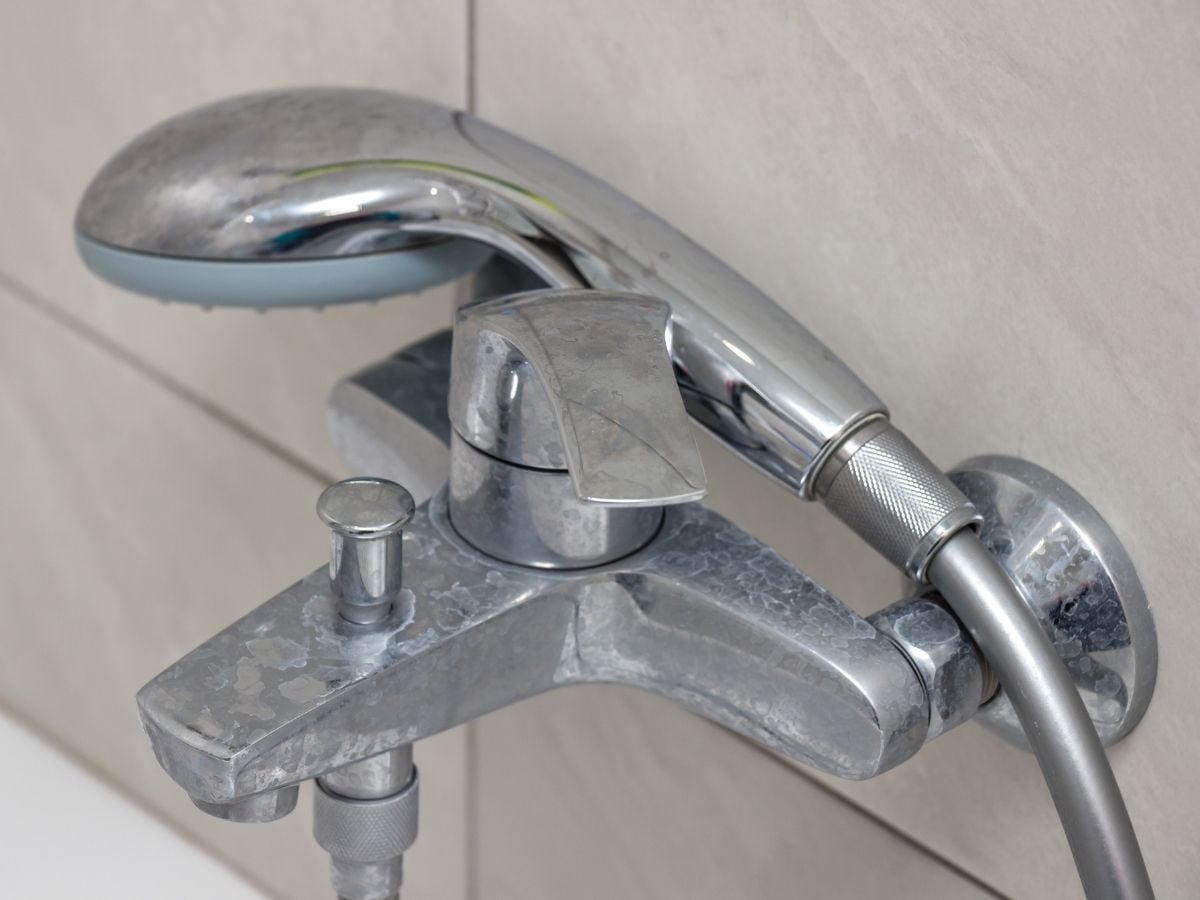
Run a glass through the dishwasher and pull it out cloudy. Wipe down the shower
Water Testing Labs Near Me: How to Choose the Right Lab
A search for water testing near you usually turns up dozens of companies claiming to
Whole-House Reverse Osmosis System vs. Under-Sink RO
From the Lab by ETR Laboratories Reverse osmosis has been a common option for treating
Tannins in Well Water: Causes, Signs, and Treatment
Most people would blame the presence of iron when they see their water take on a yellow or tea-colored tint. Maybe your white laundry is slowly turning beige, or you have noticed an earthy smell coming from the tap.
What Are Emerging Contaminants? Types, Sources, and Risks – 2026
It’s almost natural to pinpoint lead or bacteria as typical water contaminants since they have been part of the public conversation for decades, but scientists have now begun paying attention to a different group of substances called emerging contaminants.
Legionella in Water: Home Plumbing and Water Heater Risks
It’s easy to assume nothing is wrong inside your pipes if your water looks clear and tastes normal. Most people overlook the effects of Legionella in water for exactly that reason. It’s a kind of bacteria that can build up inside home plumbing
The World Health Organization Just Updated Its Drinking Water Guidelines. Here’s What It Means.
On June 18, 2026, the World Health Organization released an updated edition of its Guidelines for Drinking Water Quality, the most authoritative global reference document on what safe drinking water actually means and how to achieve it
What a Polluted San Diego Bay Tells Us About the Water Closest to You
Mission Bay in San Diego draws an estimated 15 million visitors a year. It’s one of the most popular recreational water destinations in the country. And according to a report released in June 2026, it has a serious water quality problem that isn’t going away when it stops raining.
Last Friday night, during a torrential rainstorm, a 42-inch sewer force main near Haverhill’s main pumping station failed. The pipe, which carries wastewater from the city’s main pump station to its treatment plant, dates back to the 1970s.
On June 5, 2026, residents in nearly a dozen neighborhoods in Northwest Washington DC started noticing something wrong with their water pressure. DC Water received calls from customers experiencing low to no pressure at multiple locations at the same time the Fort Reno Pumping Station was experiencing fluctuating power issues, with a full loss of power hitting at around 12:30 p.m.
Related Post.
Every summer, as lakes and ponds warm up, you'll start seeing the headlines: a beach closed for a "harmful algal...
If you've seen headlines this summer about a fast-growing outbreak of diarrheal illness sweeping across the country, you're not imagining...
Run a glass through the dishwasher and pull it out cloudy. Wipe down the shower door and watch a chalky...