Free Shipping on Orders of $100 or More

Table of Contents

Is My Water Contaminated With Lead?

WATER

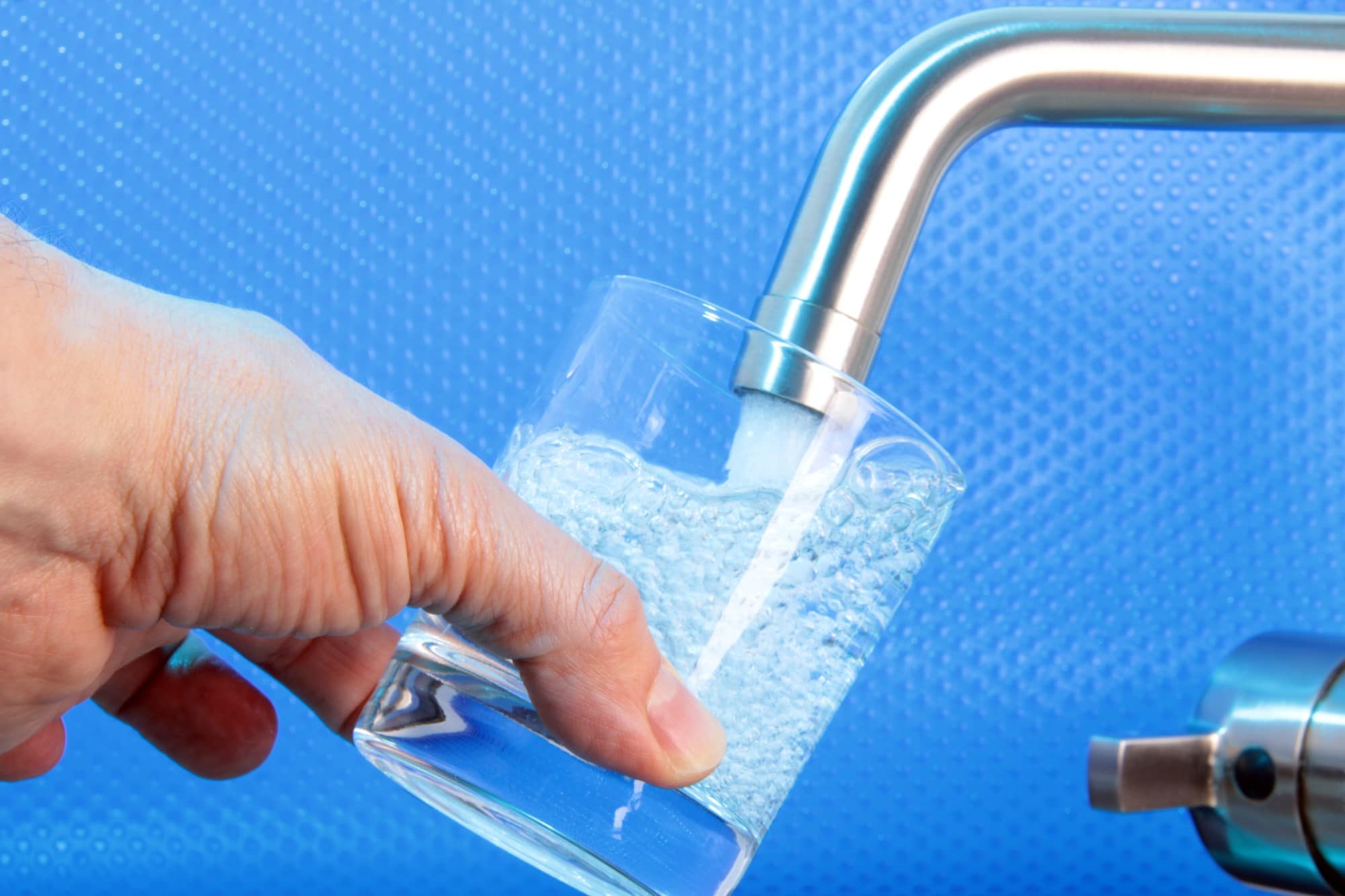
There are quite a few possible contaminants in your water, although many are removed from the water supply during municipal water treatments. However, lead is a contaminant that can sometimes remain in your drinking water even after treatment. This can result from a number of things, so it’s important to recognize signs of lead in your water and to contact a water sample testing laboratory to determine whether or not your drinking water is safe. Here are some things to know about lead contamination in your water.

Sources of Lead Contamination

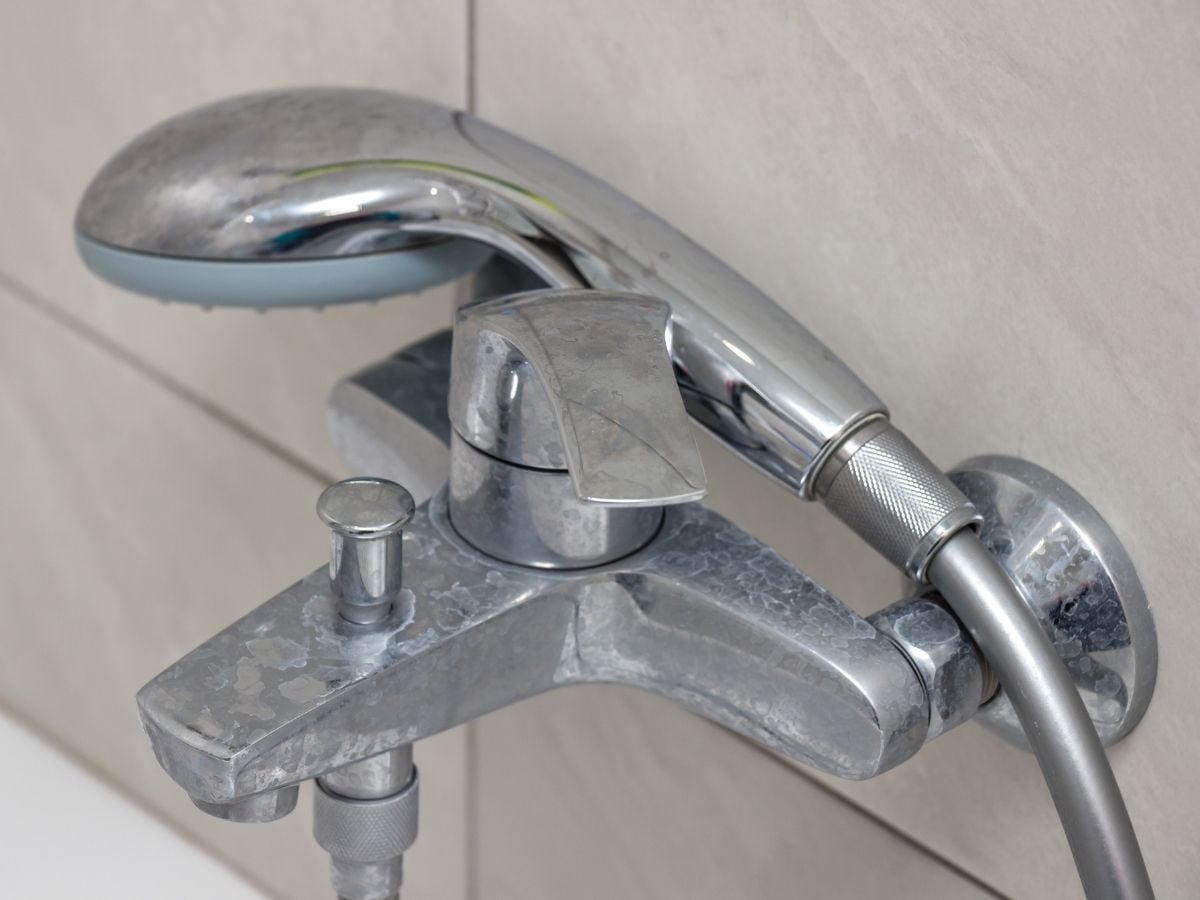
The main source of lead contamination in your water is from the path your water takes to your home once it’s been treated. The water goes through numerous pipes underground to reach your home, many of which are in poor condition or old enough to be made of lead. Sometimes the fixtures themselves in your home can contain lead. The lead in the pipes or fixtures leaches into the water, which means you and your family are exposed to lead contamination even after the water has been treated properly.

Who Is Vulnerable?

Everyone is vulnerable to lead poisoning if there’s a consistent level of lead in the drinking water. That’s because the lead builds up in the body slowly as it’s continually ingested. However, certain groups are especially vulnerable to lead in the water. Specifically, children younger than six years old are vulnerable to dangerous effects of lead poisoning because their bodies are still developing. Others with compromised immune systems due to disorders or advanced age are also more susceptible to the ill effects of lead poisoning.

What Are the Symptoms?

Unfortunately, symptoms of lead contamination in your water are difficult to detect unless you’ve been exposed for quite some time. That’s why many people choose to send a water sample to water quality test labs just to be safe. When symptoms do begin to exhibit, they’ll mostly likely show up first in children. Symptoms include abdominal pain or vomiting, loss of appetite and weight loss, fatigue, and irritability. There may also be more severe symptoms like seizures, hearing loss, developmental delay, and learning difficulties. Adults may show symptoms like joint or muscle pain, headaches, memory problems, and even difficulty in pregnancy like miscarriage, stillbirth, or premature births.

Share this

Recent Post

A Boil Water Advisory Just Hit Washington DC. Here’s the Lesson Every City Water Customer Needs to Hear

On June 5, 2026, residents in nearly a dozen neighborhoods in Northwest Washington DC started noticing something wrong with their water pressure. DC Water received calls from customers experiencing low to no pressure at multiple locations at the same time the Fort Reno Pumping Station was experiencing fluctuating power issues, with a full loss of power hitting at around 12:30 p.m.

Read More »

The States With the Worst Tap Water in 2026: What Homeowners Need to Know

No state in America has perfectly clean tap water. That is not a dramatic claim. It is simply what the data shows. Based on EPA violation data, contaminant testing, and infrastructure assessments, the states with the most documented tap water problems in 2026 are Texas, California, New York, New Jersey, Florida, Pennsylvania, Louisiana, Arizona, Wisconsin, and Massachusetts. The most common problems across these states are PFAS, lead service lines, disinfection byproducts, arsenic, and nitrates.

Read More »

Related Post.

A Boil Water Advisory Just Hit Washington DC. Here’s the Lesson Every City Water Customer Needs to Hear

On June 5, 2026, residents in nearly a dozen neighborhoods in Northwest Washington DC started noticing something wrong with their water pressure. DC Water received calls from customers experiencing low to no pressure at multiple locations at the same time the Fort Reno Pumping Station was experiencing fluctuating power issues, with a full loss of power hitting at around 12:30 p.m.

Read More »

The States With the Worst Tap Water in 2026: What Homeowners Need to Know

No state in America has perfectly clean tap water. That is not a dramatic claim. It is simply what the data shows. Based on EPA violation data, contaminant testing, and infrastructure assessments, the states with the most documented tap water problems in 2026 are Texas, California, New York, New Jersey, Florida, Pennsylvania, Louisiana, Arizona, Wisconsin, and Massachusetts. The most common problems across these states are PFAS, lead service lines, disinfection byproducts, arsenic, and nitrates.

Read More »
WATER

Is My Water Contaminated With Lead?

Related Post.