Free Shipping on Orders of $100 or More

Silica Water Test

$45.00

Our Silica Water Test measures silica in water from your well or tap. Silica comes from bedrock and sand, and at higher levels it leaves a milky film on glassware, shower doors and fixtures that normal cleaning will not remove. It suits well owners and anyone whose softener has not solved their spotting, since softeners do not remove silica.

If spots and film keep coming back, a silica number tells you whether you are chasing the right mineral. It also gives your installer a starting point to measure against after any change. We reports it in plain mg/L, so the comparison with your hardness result is easy.

What is silica in water?

Silica, or silicon dioxide, is one of the most common minerals in the earth's crust. Groundwater dissolves it as it moves through rock and sand, and wells in the same town can test quite differently.

Here is where it comes from:

  • Granite bedrock
  • Sandstone and sandy aquifers
  • Volcanic rock

In the home, silica is a cosmetic and appliance concern rather than a health one. It leaves a milky film on glassware and shower doors, and over time that film can etch glass. The USGS explains water hardness, a separate issue, and our Water Hardness Test pairs well with this one.

Is this test right for me?

Order this if you already have a softener, or your hardness tested low, and you still see a cloudy or rainbow film on glasses and fixtures that vinegar will not touch. That pattern often points to silica.

Well owners in areas with granite, sandstone or volcanic rock are more likely to see high silica. Testing also makes sense if glass shower doors are starting to look etched, or if a dishwasher keeps leaving spots that no rinse aid fixes.

If you are pricing whole-house or drinking water treatment, knowing your silica level helps the installer size the equipment and protect it from silica scale. Silica can coat a membrane quickly when levels run high, which shortens its life.

Shipping info

Orders of $100 or more ship free, and smaller orders ship for an $8 flat rate. Every kit includes a prepaid return label. Normal mail is fine for the return trip, with no need to pay for faster shipping. Please collect and ship as soon as possible after sampling.

Tested in Our Accredited Lab

We analyze your sample in our accredited lab, using established testing methods and quality controls.

We have tested water since 1995.

Free Expert Consultation

Every test includes a free consultation with one of our water experts. We go over your results with you, explain what the numbers mean for your home, and help you decide on the appropriate next step, including any filtration approach.

Order Kit

Ships free to your door
Collect Sample

Takes under 5 minutes

Ship to Lab

Free return shipping

Get Results

Expert Consultation

Order Kit

Ships free to your door

Collect Sample

Takes under 5 minutes

Ship to Lab

Free return shipping

Get Result

Expert Consultation

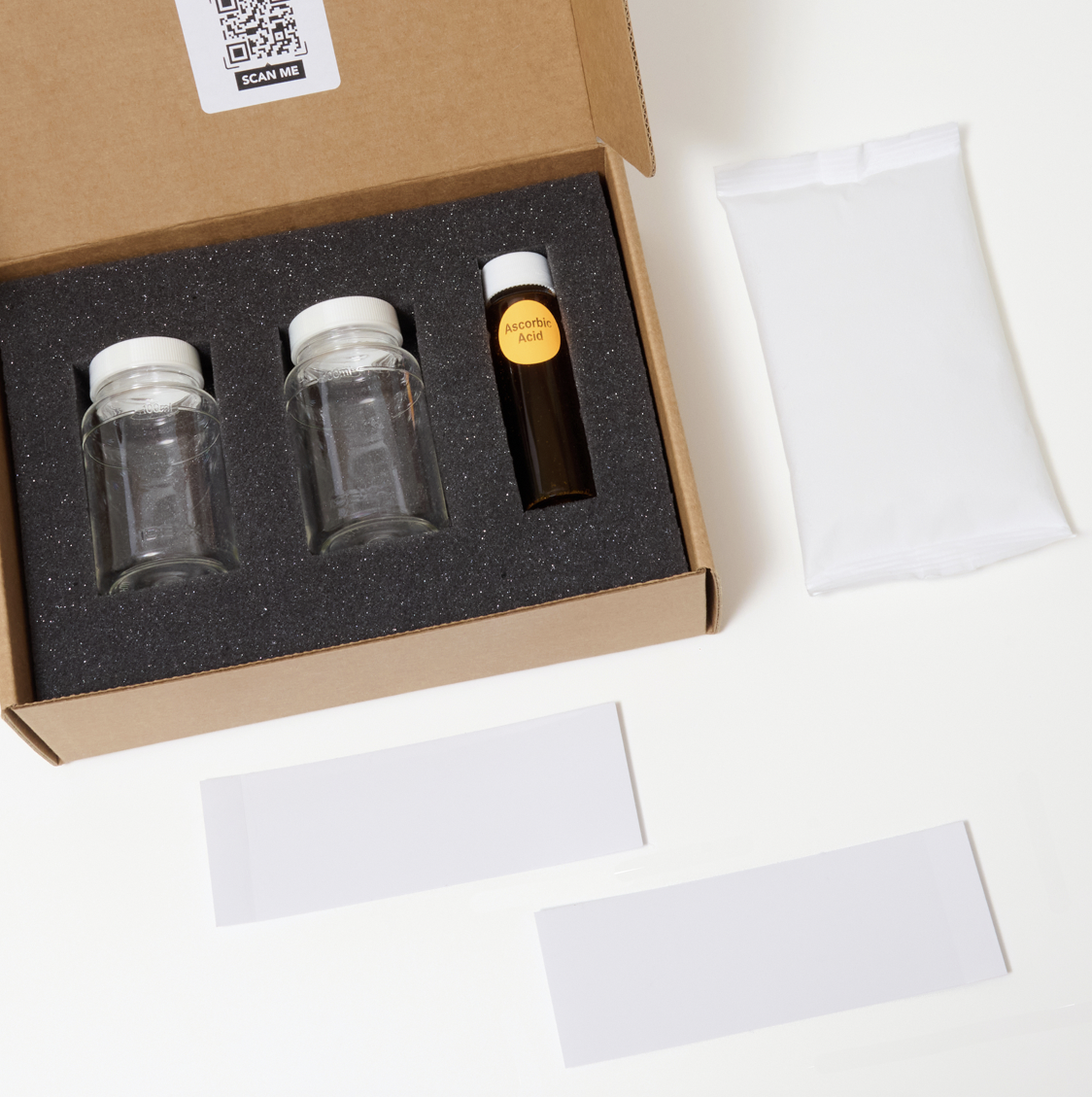
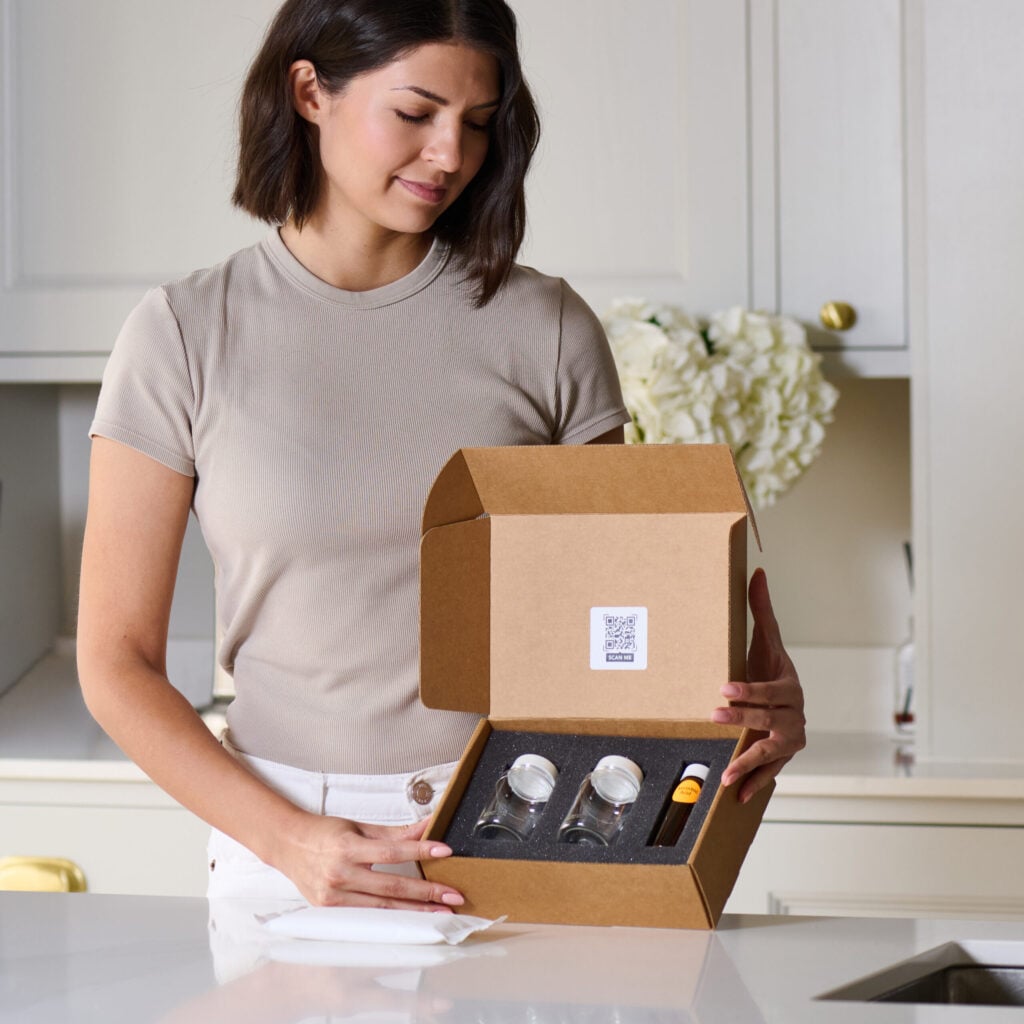
What’s Inside Your Testing Kit?

Sampling Instructions

Every test comes with step-by-step instructions on how to prepare your water source, collect your water sample, and prepare your sample for return shipment to our lab.

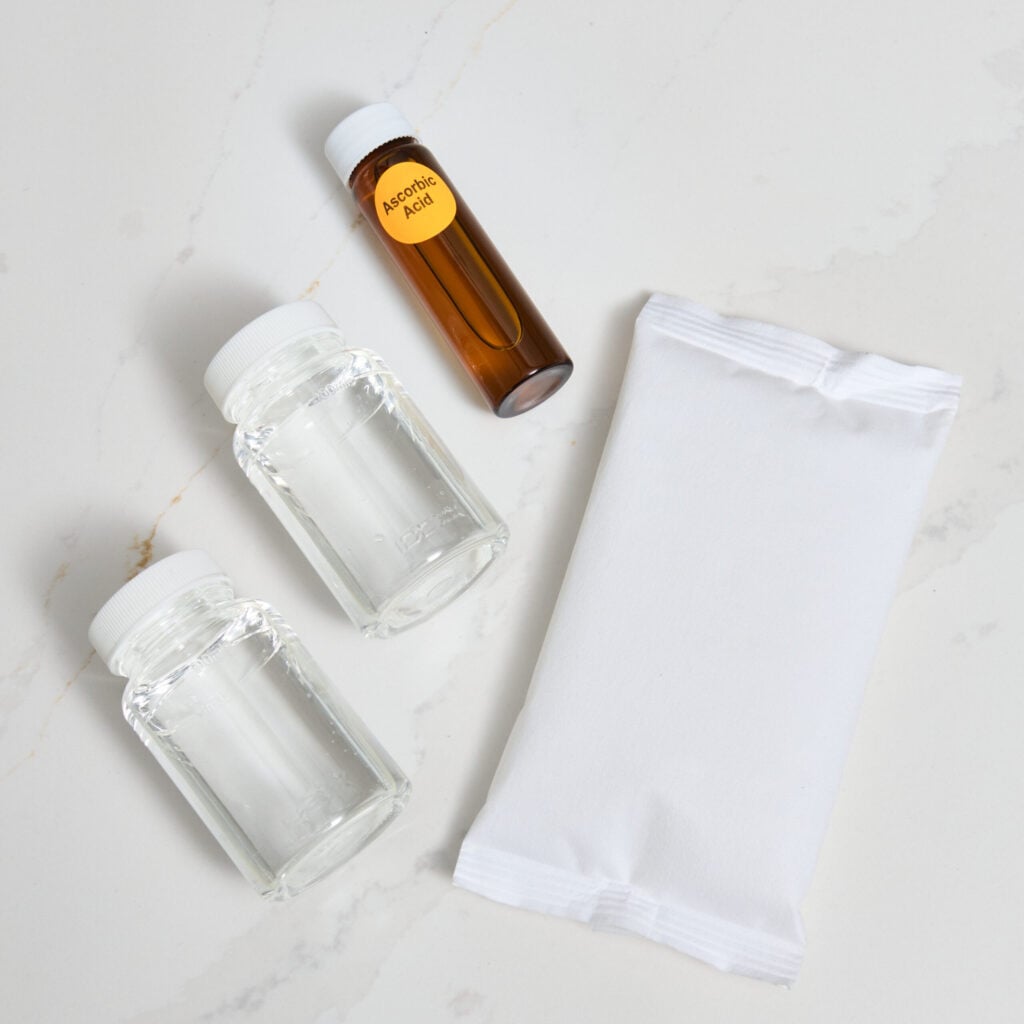
Collection Bottles

The appropriate sample containers are provided with sterility and sample volume requirements taken into consideration.

Sample Information Form

A short form to fill out with basic information about your water source. This helps our lab technicians process your results accurately.

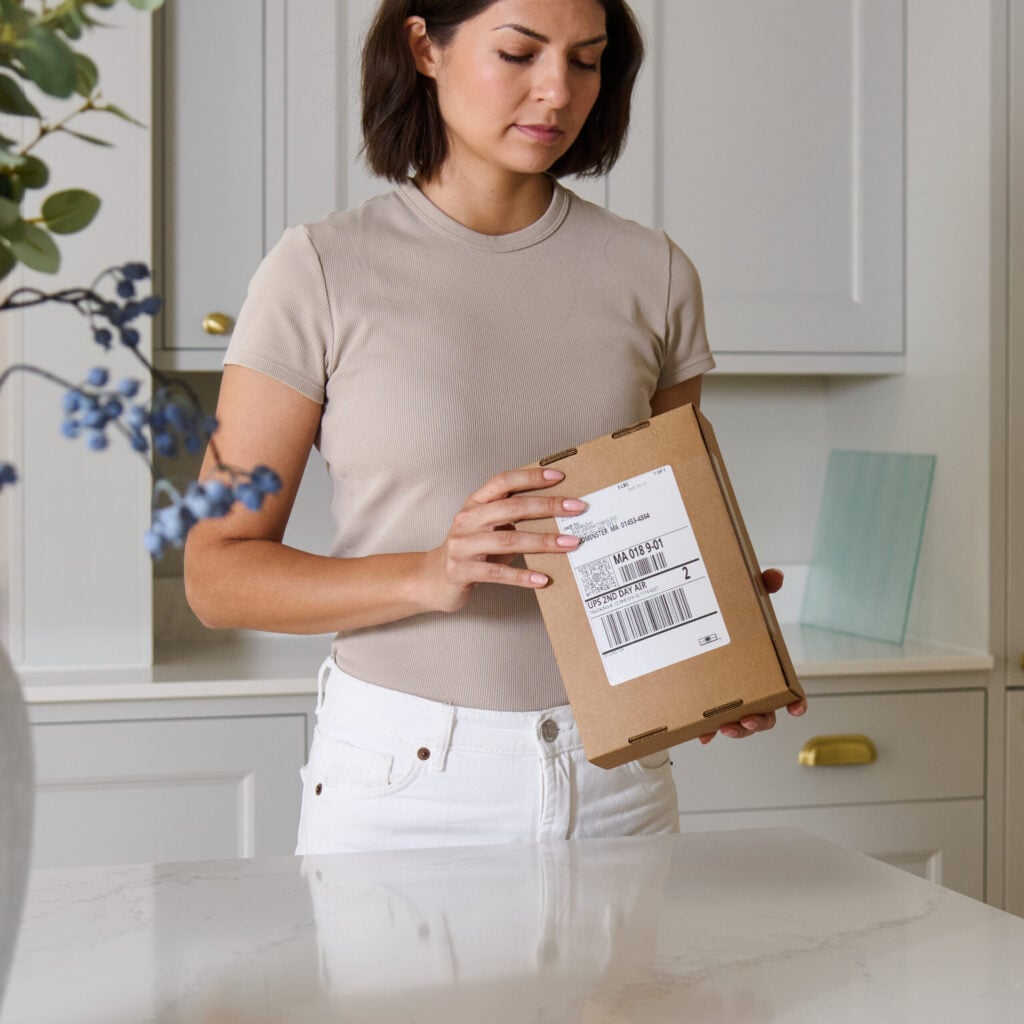
Prepaid Shipping Label

A pre-paid return shipping label is included — just drop the sealed package in any mailbox or hand it to your mail carrier. No extra cost.

Our Reviews

★★★★★
ANGI

“The test was simple—collect a water sample from a faucet in the home. We sent the test to the lab and received a water quality analysis within a few days. The test included analysis of the water sample for the presence of: coliform bacteria, E. coli, iron, lead, pH, turbidity, and nitrates/nitrites.”

Taylor L.

★★★★★
TRUSTPILOT

“Incredible lab, they really care about their customers. As someone who doesn’t know a whole lot about water quality, they took their time to help me understand everything about my water quality situation.”

Brad R.

★★★★★
GOOGLE

“I’ve used ETR for several tests, both water and air. The test kits are easy to understand and the reports are very comprehensive. But what really makes them stand out is their quality of service. There is a lot of terminology in these reports that I don’t understand, but their staff is very knowledgeable and always available to assist. They really take their time to review the results with you on the phone, and answer any questions you may have.”

John T.

4.8

Average Rating

across all platforms

500K+

Water Tests Sold

nationwide since 1995

342+

Reviews on Angi

verified homeowner reviews

Why Choose ETR Labs to Test Your Water

Results You Can Trust

Accuracy is at the core of everything we do, and through strict quality standards and a commitment to scientific excellence, we deliver results you can trust.
 

No Middleman

We run every test inside our own lab in Leominster, Massachusetts. Your results come straight from us, not a subcontractor. That keeps our pricing fair and our quality consistent across every kit we send out.

Free Follow-Up Consultations

Most labs stop at handing you a report. We do not. Every result comes with a free call to one of our water quality experts, so you understand what your numbers mean and what to do next.

Respected Name in the Water Industry

ETR Laboratories has run water tests for over 30 years. We hold membership in the national Water Quality Association and the Massachusetts Ground Water Association.

We're Trusted by Our Customers

Our reviews reflect the work we do. We hold a 4.8 out of 5 rating on Google, a 4.8 out of 5 rating on Angi from 342 reviews, and five-star ratings on Trustpilot.

Our Recommended Test

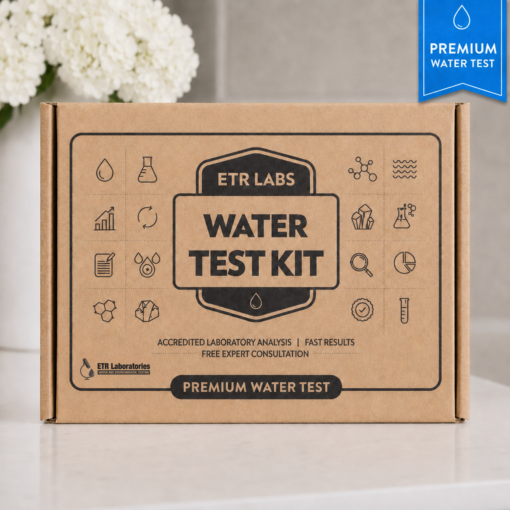
We recommendPremium Water Test

Premium Water Test

Our Premium Water Test screens your water for 113 substances in one round, including bacteria, radon, heavy metals, and industrial chemicals, providing homeowners and landlords with a thorough assessment for peace of mind. We have run…

  • Bacteria
  • Radon
  • Heavy Metals
  • Industrial Chemicals
  • Minerals & Water Attributes
$249.00

FAQs

Is silica in drinking water harmful?

No, silica in drinking water is not considered harmful. The EPA does not set a health limit for it, and some research suggests dietary silica may support bones, hair and skin. The problems it causes are cosmetic and mechanical, such as film on glass, stubborn scale and wear on appliances. Inhaled silica dust is a separate workplace hazard.

How much silica in water is too much?

There is no EPA limit for silica, so too much is measured by its effect on your home. Many water professionals start to see spotting and film around 20 mg/L. Higher levels raise the chance of glassy scale in water heaters, kettles, and dishwashers, and that scale is harder to remove than ordinary calcium scale. Treatment equipment may also need to be sized with silica in mind.

Is silica the same as water hardness?

No. Hardness comes from calcium and magnesium, while silica is a separate mineral. Both can leave spots and scale, which is why they are easy to confuse. The difference shows up in treatment, since a softener removes hardness but not silica. If spots stay after you soften your water, silica is a common reason. Testing both gives you a clear answer.

What is reactive silica?

Reactive silica is the fully dissolved form of silica in water. It behaves like a very weak acid and passes through ordinary filters and softeners. Colloidal silica, the other main form, is made of tiny suspended particles. The difference shapes treatment, since some systems remove dissolved silica well but struggle with colloidal particles, and others work the opposite way.

How do you remove silica from well water?

Treatment options exist, and the right one depends on whether your silica is dissolved or colloidal and how much is present. Ordinary softeners and basic filters do not remove it. Whole-house silica treatment is more involved than drinking water treatment, so it helps to know your exact level first. Our free consultation helps you decide on the appropriate filtration approach.

Is silica higher in well water than city water?

Often, yes. Silica comes from rock, so groundwater that sits in contact with granite, sandstone, or volcanic rock picks up more of it than lakes and rivers do. Wells in parts of the western United States, Hawaii, and other areas with volcanic geology tend to run higher. City water drawn from surface sources usually carries less, though it varies by utility. Our lab test is the only way to know your own level.

Does boiling water remove silica?

No. Boiling does not remove silica, and the white or glassy residue in a kettle is often silica and hardness left behind as water evaporates. That residue is harder to scrub off than ordinary lime scale. Silica in drinking water is not a health concern, so boiling is not needed for safety. If the film and scale bother you, our free consultation helps you decide on the appropriate filtration approach for your level.

How often should I test my water for silica?

Silica in groundwater tends to stay fairly steady, so one test often gives you a good baseline. Retesting makes sense if you drill a new well, switch water sources, or notice new spotting and film. If you install treatment, a test afterward shows how much silica the system is removing, and a yearly check helps you know when it needs service. Membranes and other equipment can scale quickly when silica rises.

Statement of Confidentiality

No shared results. Our laboratory holds our clients privacy to the highest regard, your results and information will never be shared. Be aware that state certified laboratories may be required to report your results to various government agencies.