Free Shipping on Orders of $100 or More

Table of Contents

Learn about Heavy Water and Bioaccumulation

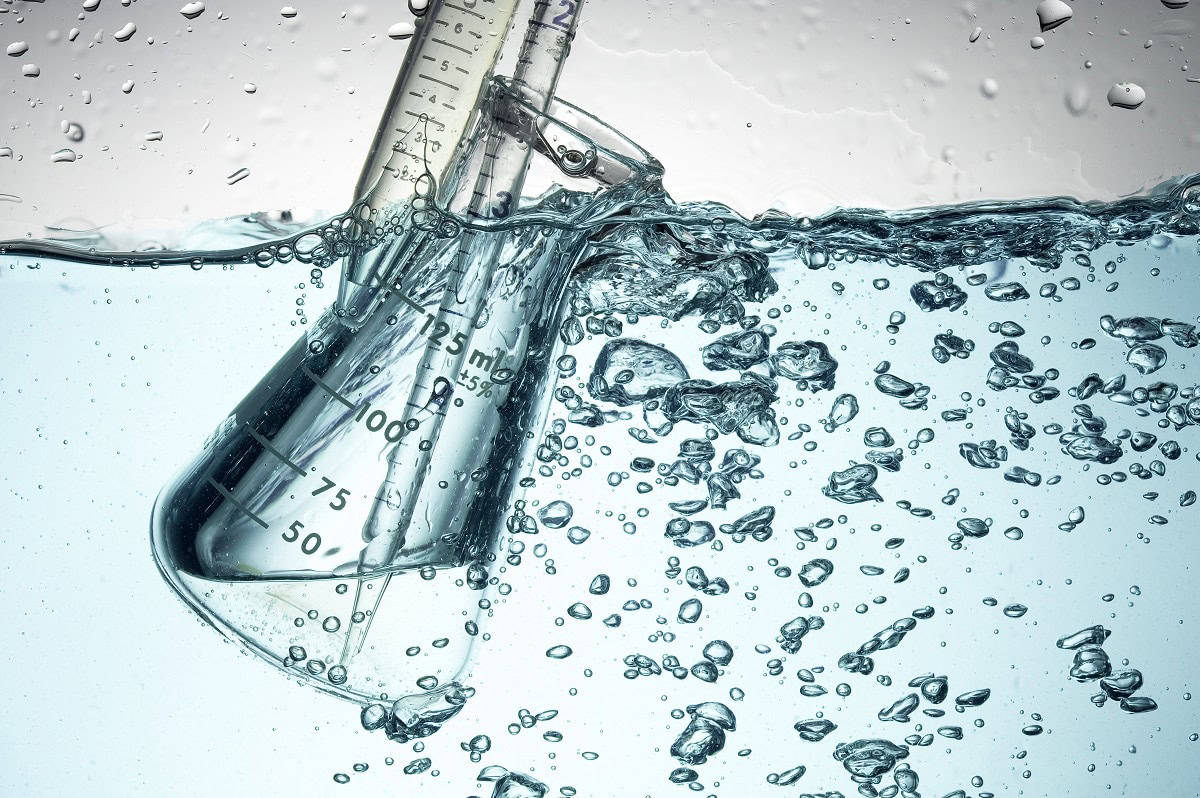
If you’re concerned about what’s in your water, you have every right to be. Local water municipalities across the U.S. have had issues with neglect of the water system, some intentionally. Beyond that, reports of the Brockovich chemical and radiation affect the water supplies of hundreds of millions of Americans are downright scary. Fortunately, a private water testing laboratory can help you find out what’s in your water and if it’s truly safe to drink.

Heavy Water

When one or both of the hydrogen atoms in a water molecule have a neutron, you get heavy water. A neutron makes the hydrogen twice as heavy as it normally is. Heavy water is not radioactive, and you would feel few if any effects from drinking a glass. A diet featuring about 25 percent heavy water would result in sterilization.

Heavy Metals

Mercury, lead, arsenic, cadmium, chromium, copper, and thallium are some of the heavy metals found in the Earth’s crust. Lead has been used in paint. Mercury in thermometers. Many of the electronics now common, like smart phones, also use significant amounts of heavy metals in their construction. These metals are poisonous to people, even in small doses. They’re most often found in water after leeching out from landfills or from places where they haven’t been disposed of properly. They can also be found in the food supply.

Up the Food Chain

Heavy metals do not get excreted by the creature that ingests them or the plant that takes them in through the roots. Instead, they accumulate in the creature’s body. When the creature gets eaten, the larger creature gets all of the heavy metals accumulated and holds onto it, which makes humans a prime source for bioaccumulation and the ill effects associated with poisonous metals. Contaminated drinking water is a problem because the metals may also accumulate in high doses. Fortunately, for people who are concerned, a private water testing laboratory can help them find out what’s in the water they’re drinking. Call Environmental Testing and Research Laboratories to learn more.

Share this

Recent Post

A Boil Water Advisory Just Hit Washington DC. Here’s the Lesson Every City Water Customer Needs to Hear

On June 5, 2026, residents in nearly a dozen neighborhoods in Northwest Washington DC started noticing something wrong with their water pressure. DC Water received calls from customers experiencing low to no pressure at multiple locations at the same time the Fort Reno Pumping Station was experiencing fluctuating power issues, with a full loss of power hitting at around 12:30 p.m.

Read More »

The States With the Worst Tap Water in 2026: What Homeowners Need to Know

No state in America has perfectly clean tap water. That is not a dramatic claim. It is simply what the data shows. Based on EPA violation data, contaminant testing, and infrastructure assessments, the states with the most documented tap water problems in 2026 are Texas, California, New York, New Jersey, Florida, Pennsylvania, Louisiana, Arizona, Wisconsin, and Massachusetts. The most common problems across these states are PFAS, lead service lines, disinfection byproducts, arsenic, and nitrates.

Read More »

Related Post.

A Boil Water Advisory Just Hit Washington DC. Here’s the Lesson Every City Water Customer Needs to Hear

On June 5, 2026, residents in nearly a dozen neighborhoods in Northwest Washington DC started noticing something wrong with their water pressure. DC Water received calls from customers experiencing low to no pressure at multiple locations at the same time the Fort Reno Pumping Station was experiencing fluctuating power issues, with a full loss of power hitting at around 12:30 p.m.

Read More »

The States With the Worst Tap Water in 2026: What Homeowners Need to Know

No state in America has perfectly clean tap water. That is not a dramatic claim. It is simply what the data shows. Based on EPA violation data, contaminant testing, and infrastructure assessments, the states with the most documented tap water problems in 2026 are Texas, California, New York, New Jersey, Florida, Pennsylvania, Louisiana, Arizona, Wisconsin, and Massachusetts. The most common problems across these states are PFAS, lead service lines, disinfection byproducts, arsenic, and nitrates.

Read More »

Learn about Heavy Water and Bioaccumulation

Related Post.