Free Shipping on Orders of $100 or More

Table of Contents

What Are the Effects of Lead Exposure in Drinking Water?

No Safe Level

According to the Environmental Protection Agency and the Centers for Disease Control and Prevention, there’s no safe level of lead in a child’s blood. The biologic guideline, or the level at which there have been shown to be adverse health effects in both adults and children is 5 micrograms per deciliter.

How Lead Gets into Water

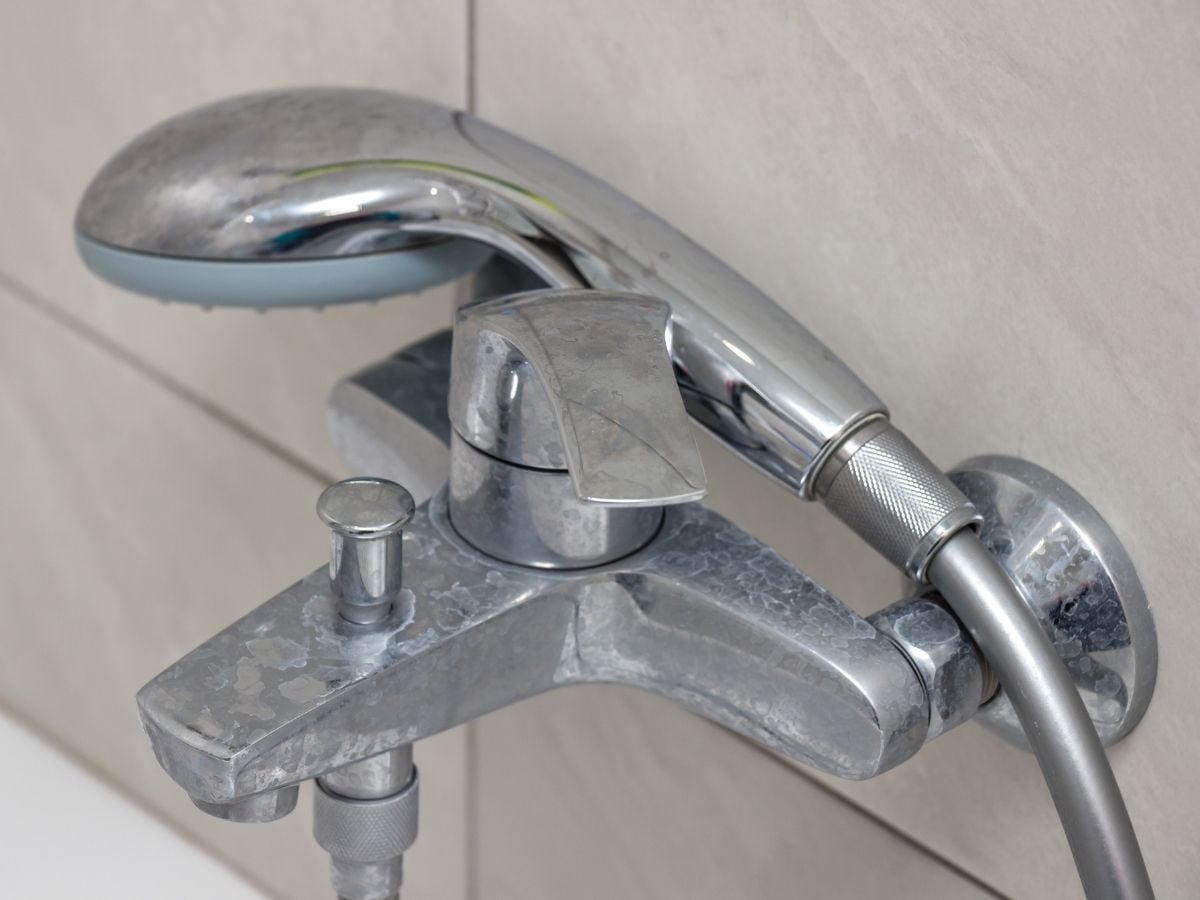
In a nutshell, lead leeches into your drinking water from your pipes. Although your pipes are not made out of lead, common copper pipes prior to 1986 were soldered together with lead-based solder. Also, brass and chrome plated water fixtures may have also been assembled with lead solder. In homes that are much older, the potential for lead pipes, especially from water mains which led to basements may have been made of lead. Depending on the alkalinity of your water, as it continually passes through the piping, it slowly corrodes the surface and lead leeches into the water. Other factors include the temperature of the water, the amount of wear on the pipes, and how long the water stays dormant in the pipes.

What Can You Do?

The first thing to do is have your water tested for lead. This can be done by submitting samples to a drinking water quality testing lab. The internet would be an obvious place to search for “drinking water testing labs near me.” You cannot see, taste, or smell dissolved lead in your drinking water. Although boiling water does not remove lead, use only cold water for cooking. Heated water is able to dissolve more lead from pipes than cold water. Some water filters which attach to faucets are certified to remove lead. Run your water for a minute or more in order to flush standing water from your pipes. If lead pipes are present, find out how they can be removed and replaced with safer alternative materials.

Tips and Warnings

Be aware of lead in drinking water at your child’s school or daycare facility. Visit the EPA’s web page for tips on how to check those facilities. Also, human skin cannot absorb lead from water, so swimming and bathing in water containing lead is safe.

Share this

Recent Post

A Boil Water Advisory Just Hit Washington DC. Here’s the Lesson Every City Water Customer Needs to Hear

On June 5, 2026, residents in nearly a dozen neighborhoods in Northwest Washington DC started noticing something wrong with their water pressure. DC Water received calls from customers experiencing low to no pressure at multiple locations at the same time the Fort Reno Pumping Station was experiencing fluctuating power issues, with a full loss of power hitting at around 12:30 p.m.

Read More »

The States With the Worst Tap Water in 2026: What Homeowners Need to Know

No state in America has perfectly clean tap water. That is not a dramatic claim. It is simply what the data shows. Based on EPA violation data, contaminant testing, and infrastructure assessments, the states with the most documented tap water problems in 2026 are Texas, California, New York, New Jersey, Florida, Pennsylvania, Louisiana, Arizona, Wisconsin, and Massachusetts. The most common problems across these states are PFAS, lead service lines, disinfection byproducts, arsenic, and nitrates.

Read More »

Related Post.

A Boil Water Advisory Just Hit Washington DC. Here’s the Lesson Every City Water Customer Needs to Hear

On June 5, 2026, residents in nearly a dozen neighborhoods in Northwest Washington DC started noticing something wrong with their water pressure. DC Water received calls from customers experiencing low to no pressure at multiple locations at the same time the Fort Reno Pumping Station was experiencing fluctuating power issues, with a full loss of power hitting at around 12:30 p.m.

Read More »

The States With the Worst Tap Water in 2026: What Homeowners Need to Know

No state in America has perfectly clean tap water. That is not a dramatic claim. It is simply what the data shows. Based on EPA violation data, contaminant testing, and infrastructure assessments, the states with the most documented tap water problems in 2026 are Texas, California, New York, New Jersey, Florida, Pennsylvania, Louisiana, Arizona, Wisconsin, and Massachusetts. The most common problems across these states are PFAS, lead service lines, disinfection byproducts, arsenic, and nitrates.

Read More »

What Are the Effects of Lead Exposure in Drinking Water?

Related Post.