Free Shipping on Orders of $100 or More

Table of Contents

Well Water Test Examples: Good, Bad, and Ugly Results Explained

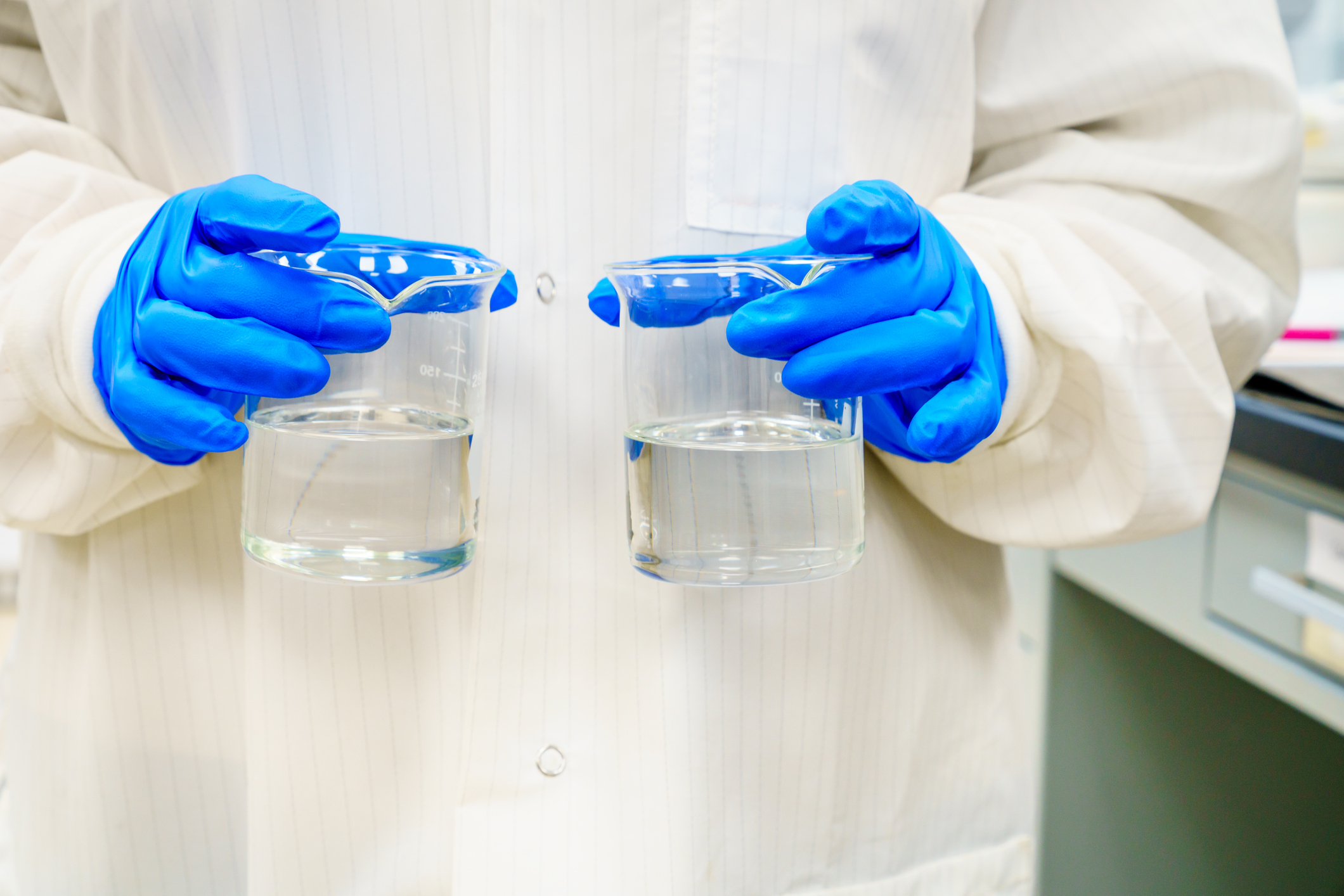
A sample of clear liquid in a laboratory setting.

When testing private well water, the results can vary significantly depending on the water source, location, and environmental factors. Understanding these variations is crucial for interpreting your own well water test results. In this article, we’ll explore examples of good, bad, and ugly well water test outcomes to help you better understand what to expect.

What Does Good Well Water Look Like?

Good well water is safe, clean, and free from harmful contaminants. Here are some characteristics of good well water test results:

  • Total Coliform and E. coli: Not detected, indicating no bacterial contamination.
  • Nitrates/Nitrites: Below 10 mg/L, safe for all age groups.
  • Lead and Arsenic: Not detected or significantly below the EPA’s action levels.
  • pH Levels: Between 6.5 and 8.5, indicating balanced water that is neither too acidic nor too alkaline.

Example of Good Water Results

  • Total Coliform: Not detected
  • Nitrates: 2.5 mg/L
  • Lead: <0.001 mg/L
  • pH: 7.2
  • Hardness: 120 mg/L (Moderate hardness, not harmful)

What Constitutes Bad Well Water?

Bad well water may contain contaminants that, while not immediately harmful, can cause issues over time or affect water taste and appearance. Common issues include:

  • High Iron and Manganese: Causes staining and metallic taste but is not a health hazard.
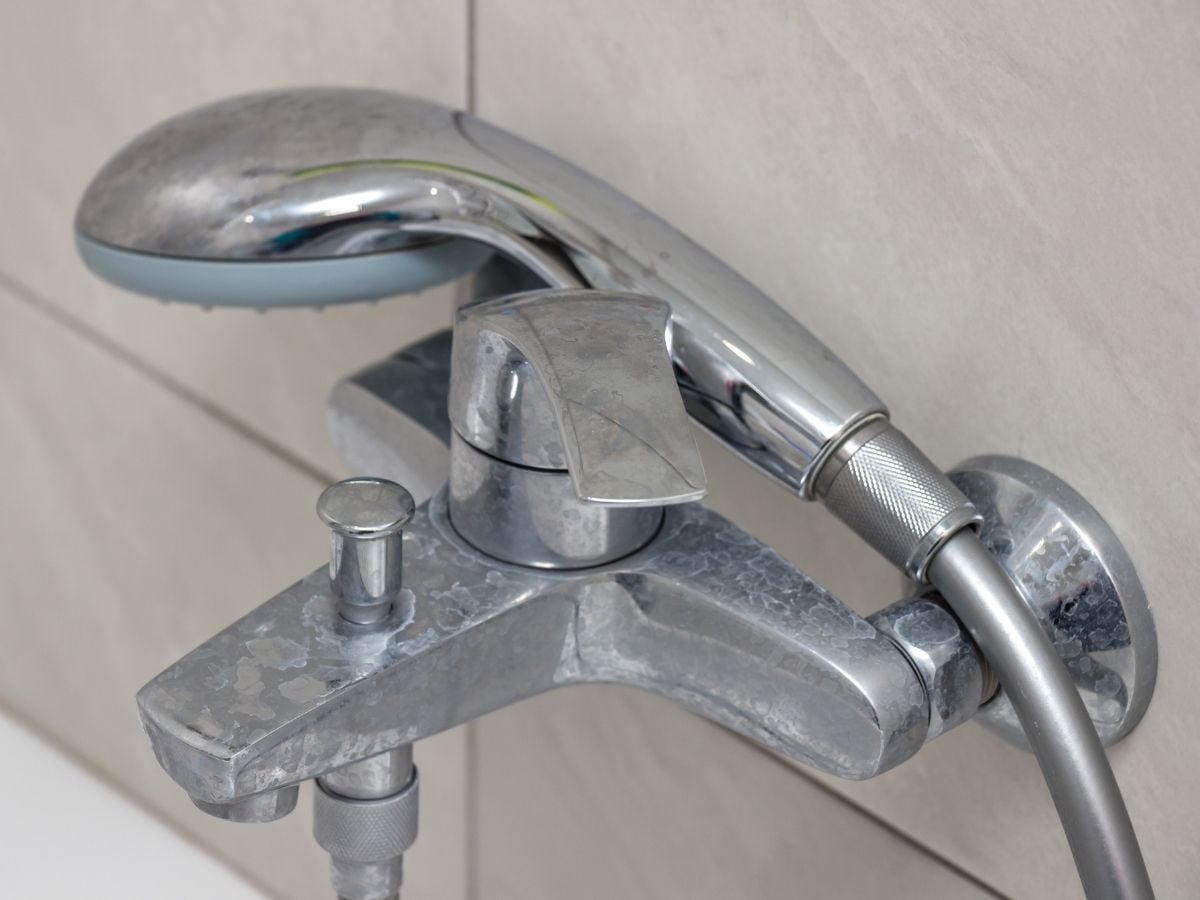
  • Hard Water: High calcium and magnesium levels can cause scale buildup in plumbing and appliances.
  • Slightly Elevated Nitrates: Levels between 5-10 mg/L may indicate agricultural runoff.

Example of Bad Water Results

  • Total Coliform: Not detected
  • Nitrates: 8.5 mg/L (Near the safe limit)
  • Iron: 0.8 mg/L (May cause staining)
  • pH: 6.2 (Slightly acidic, may corrode plumbing)
  • Hardness: 250 mg/L (Hard water, requires softening)

The Ugly: Dangerous Well Water Results

Ugly well water test results reveal contaminants that pose significant health risks, requiring immediate action. This includes:

  • Presence of E. coli: Indicates fecal contamination, posing serious health risks.
  • High Levels of Arsenic or Lead: Toxic heavy metals that require urgent remediation.
  • Radon or VOCs: Linked to cancer and other serious health issues.

Example of Ugly Water Results

  • Total Coliform: Present
  • E. coli: Present (Unsafe for consumption)
  • Arsenic: 0.05 mg/L (Above safe limit, requires filtration)
  • pH: 4.9 (Highly acidic, corrosive to plumbing)
  • Radon: 10,000 pCi/L (Requires aeration or mitigation system)

Conclusion

By understanding examples of good, bad, and ugly well water test results, you can better interpret your own water quality reports. If your results show contaminants, take action immediately to ensure safe drinking water.

Learn more about water testing services today.

Игроки используют раздел статистики в 1хБет как быстрый справочник по форме команд и очным встречам.

Share this

Recent Post

A Boil Water Advisory Just Hit Washington DC. Here’s the Lesson Every City Water Customer Needs to Hear

On June 5, 2026, residents in nearly a dozen neighborhoods in Northwest Washington DC started noticing something wrong with their water pressure. DC Water received calls from customers experiencing low to no pressure at multiple locations at the same time the Fort Reno Pumping Station was experiencing fluctuating power issues, with a full loss of power hitting at around 12:30 p.m.

Read More »

The States With the Worst Tap Water in 2026: What Homeowners Need to Know

No state in America has perfectly clean tap water. That is not a dramatic claim. It is simply what the data shows. Based on EPA violation data, contaminant testing, and infrastructure assessments, the states with the most documented tap water problems in 2026 are Texas, California, New York, New Jersey, Florida, Pennsylvania, Louisiana, Arizona, Wisconsin, and Massachusetts. The most common problems across these states are PFAS, lead service lines, disinfection byproducts, arsenic, and nitrates.

Read More »

Related Post.

A Boil Water Advisory Just Hit Washington DC. Here’s the Lesson Every City Water Customer Needs to Hear

On June 5, 2026, residents in nearly a dozen neighborhoods in Northwest Washington DC started noticing something wrong with their water pressure. DC Water received calls from customers experiencing low to no pressure at multiple locations at the same time the Fort Reno Pumping Station was experiencing fluctuating power issues, with a full loss of power hitting at around 12:30 p.m.

Read More »

The States With the Worst Tap Water in 2026: What Homeowners Need to Know

No state in America has perfectly clean tap water. That is not a dramatic claim. It is simply what the data shows. Based on EPA violation data, contaminant testing, and infrastructure assessments, the states with the most documented tap water problems in 2026 are Texas, California, New York, New Jersey, Florida, Pennsylvania, Louisiana, Arizona, Wisconsin, and Massachusetts. The most common problems across these states are PFAS, lead service lines, disinfection byproducts, arsenic, and nitrates.

Read More »
A sample of clear liquid in a laboratory setting.

Well Water Test Examples: Good, Bad, and Ugly Results Explained

Related Post.