

Free Shipping on Orders of $100 or More
$95.00
This total petroleum hydrocarbons test gives one number for the oil and fuel compounds in your water. TPH covers material from gasoline, diesel, heating oil, and lubricants, so it works as a first screen when you suspect a fuel problem. It suits well owners near gas stations, buried fuel tanks, or home heating oil tanks, and anyone who smells fuel at the tap.
A detected TPH result tells you fuel or oil is present, and the next question is which compounds. Our VOC Drinking Water Test names benzene, toluene, ethylbenzene, and xylenes one by one, and ordering both at once saves a second round of sampling. If the VOC test comes back clean, a repeat TPH sample in a few months confirms nothing new is arriving.
Total petroleum hydrocarbons, or TPH, is one number for the hundreds of oil and fuel compounds made of hydrogen and carbon. Lighter gasoline-range compounds evaporate easily, while diesel-range and oil-range compounds are heavier.
Here are the usual paths into a well:
Fuel can give water an oily sheen or smell, and even a small spill can affect a well for a long time. The EPA underground storage tank program exists largely because buried tanks leak so often. Petroleum can also cling to soil, so contamination may linger long after the leak stops.
You might order this test if a gas station, buried fuel tank, or home heating oil tank sits near your well, if your water smells like fuel, or after a spill was reported nearby.
TPH can move through soil into groundwater, so contamination may show up months after a leak. Older buried steel tanks deserve the closest look, since they corrode with age. A first screen helps you size up a suspected fuel problem before deciding what comes next.
Our article on fuel contamination in well water explains how TPH and VOC testing fit together.
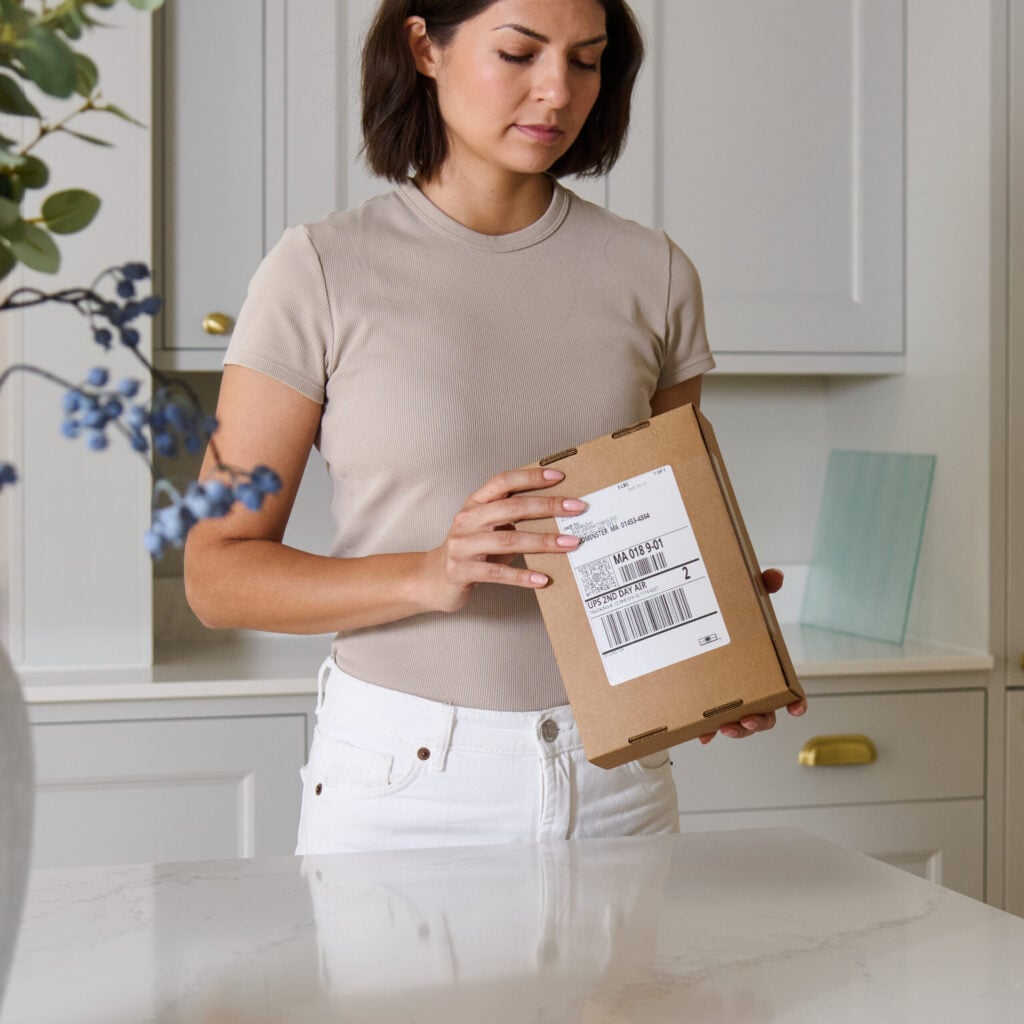
Orders under $100 ship for an $8 flat rate, and shipping is free once your order reaches $100, so adding a second test such as the VOC panel covers it. The return label is prepaid. Some fuel compounds escape over time, so we suggest shipping the day you collect.
We analyze your sample in our accredited lab, using established testing methods and quality controls.
We have tested water since 1995.
Every test includes a free consultation with one of our water experts. We go over your results with you, explain what the numbers mean for your home, and help you decide on the appropriate next step, including any filtration approach.

Ships free to your door
Takes under 5 minutes
Free return shipping
Expert Consultation

Ships free to your door

Takes under 5 minutes

Free return shipping

Expert Consultation
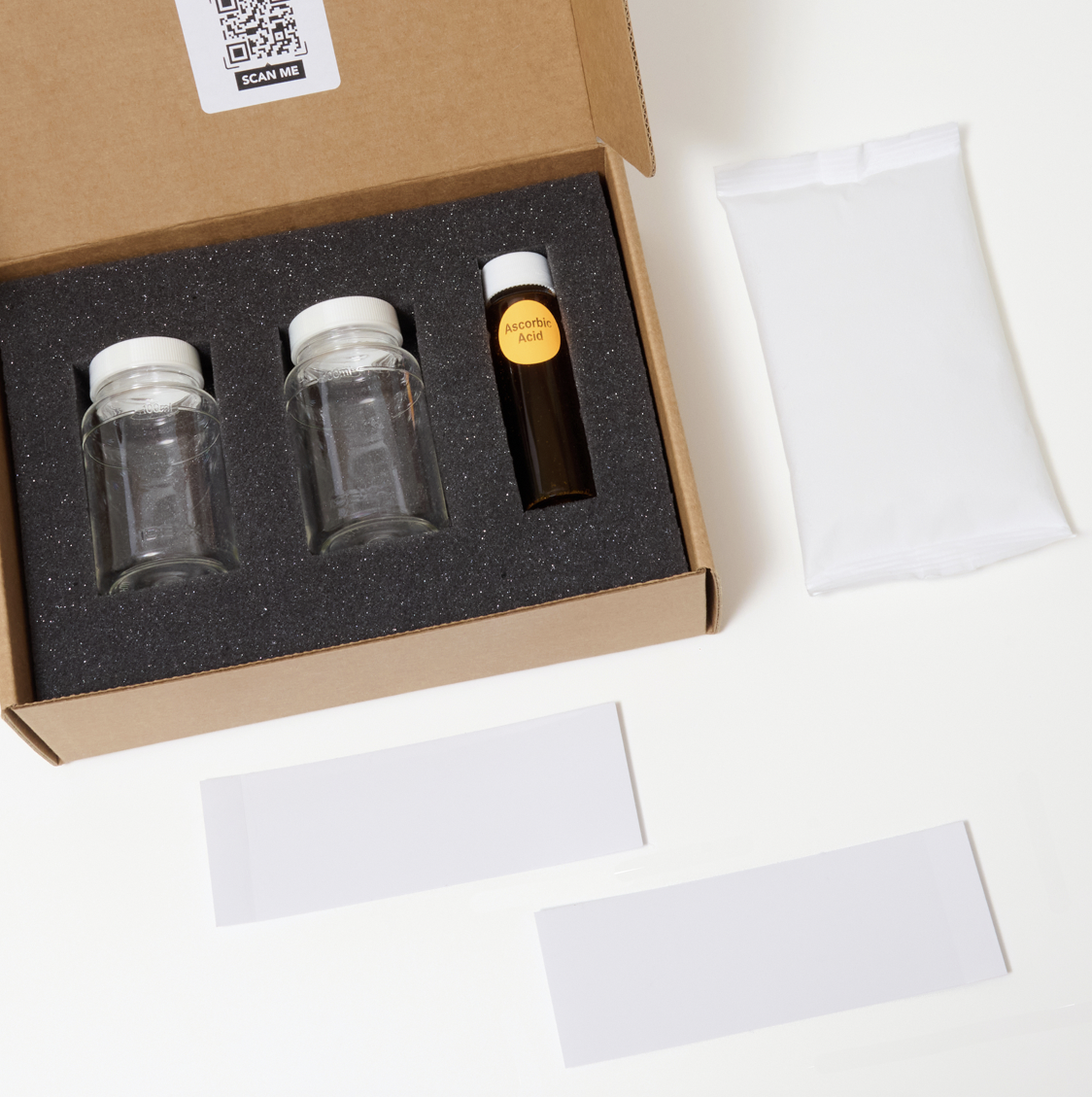
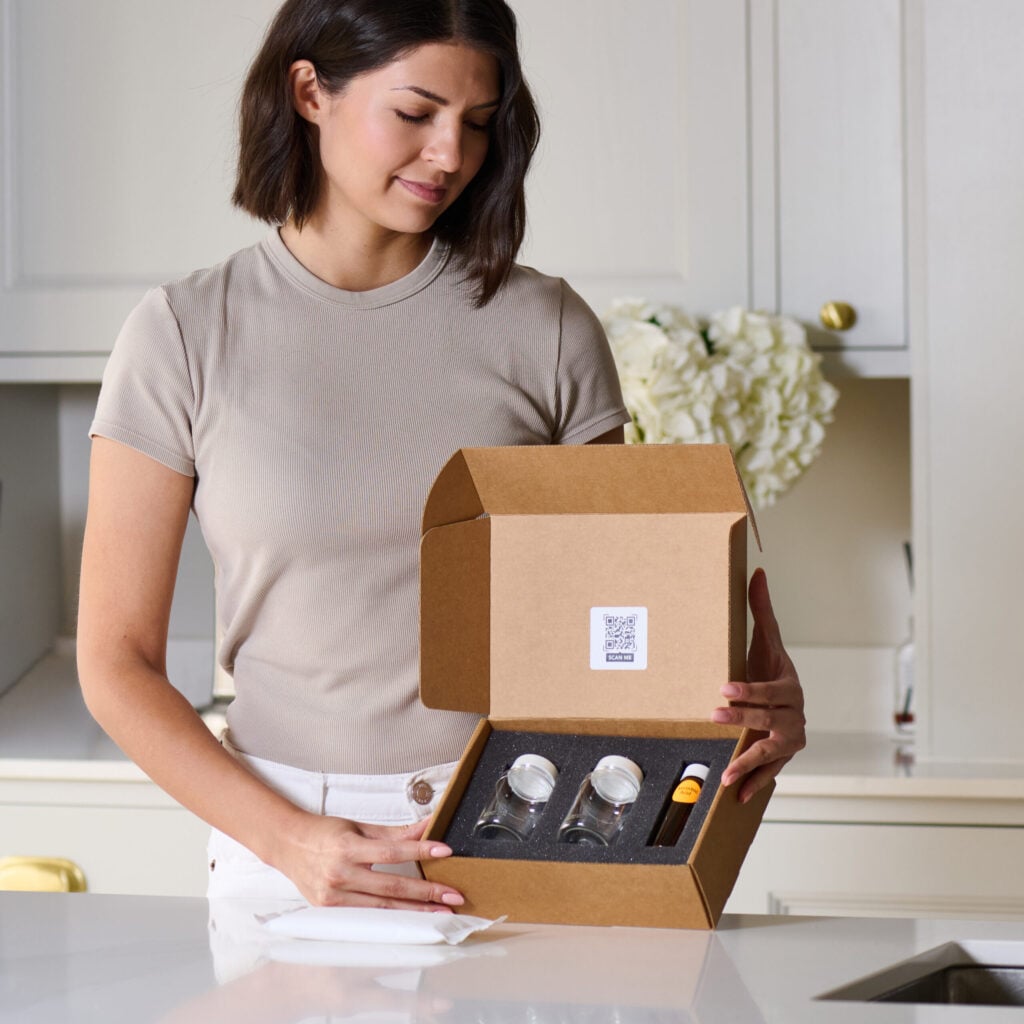
Every test comes with step-by-step instructions on how to prepare your water source, collect your water sample, and prepare your sample for return shipment to our lab.
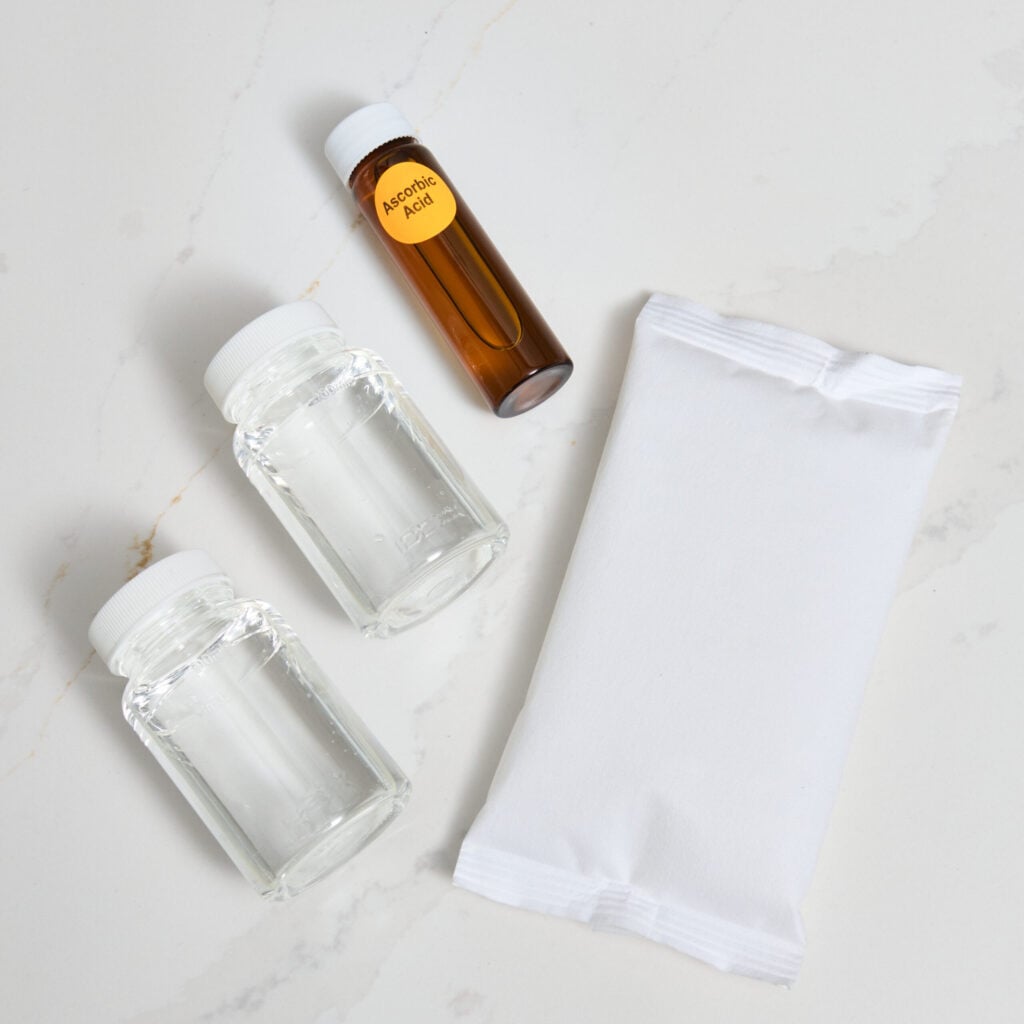
The appropriate sample containers are provided with sterility and sample volume requirements taken into consideration.
A short form to fill out with basic information about your water source. This helps our lab technicians process your results accurately.
A pre-paid return shipping label is included — just drop the sealed package in any mailbox or hand it to your mail carrier. No extra cost.
“The test was simple—collect a water sample from a faucet in the home. We sent the test to the lab and received a water quality analysis within a few days. The test included analysis of the water sample for the presence of: coliform bacteria, E. coli, iron, lead, pH, turbidity, and nitrates/nitrites.”
Taylor L.
“Incredible lab, they really care about their customers. As someone who doesn’t know a whole lot about water quality, they took their time to help me understand everything about my water quality situation.”
Brad R.
“I’ve used ETR for several tests, both water and air. The test kits are easy to understand and the reports are very comprehensive. But what really makes them stand out is their quality of service. There is a lot of terminology in these reports that I don’t understand, but their staff is very knowledgeable and always available to assist. They really take their time to review the results with you on the phone, and answer any questions you may have.”
John T.
4.8
Average Rating
across all platforms
500K+
Water Tests Sold
nationwide since 1995
342+
Reviews on Angi
verified homeowner reviews
We run every test inside our own lab in Leominster, Massachusetts. Your results come straight from us, not a subcontractor. That keeps our pricing fair and our quality consistent across every kit we send out.
Most labs stop at handing you a report. We do not. Every result comes with a free call to one of our water quality experts, so you understand what your numbers mean and what to do next.
ETR Laboratories has run water tests for over 30 years. We hold membership in the national Water Quality Association and the Massachusetts Ground Water Association.
Our reviews reflect the work we do. We hold a 4.8 out of 5 rating on Google, a 4.8 out of 5 rating on Angi from 342 reviews, and five-star ratings on Trustpilot.

Our Premium Water Test screens your water for 113 substances in one round, including bacteria, radon, heavy metals, and industrial chemicals, providing homeowners and landlords with a thorough assessment for peace of mind. We have run…
It can be, depending on the compounds and the dose. Short-term exposure can cause headaches, dizziness, nausea, and fatigue. Long-term exposure to some petroleum compounds has been linked to liver, kidney, and nervous system damage. Benzene, one part of gasoline, can also affect blood cells over time. Until you know more, bottled water for drinking and cooking is the safer choice.
Ideally, none. There is no federal limit for TPH as a whole, but individual fuel compounds do have EPA limits, such as 5 ppb for benzene. Some states also set their own TPH guidance. If your result shows any TPH, a VOC test can identify the specific compounds and compare them with those limits.
Some are. Benzene is a known human carcinogen, and certain heavier compounds in oil are considered possible or probable carcinogens. Many other hydrocarbons are not known to cause cancer. Because TPH is a total, a detected result is best followed by a VOC test that names individual compounds, so you know which ones you are dealing with.
No. Boiling does not remove fuel contaminants, and it can release vapors into your kitchen that you then breathe in. Bottled water for drinking and cooking is the safer choice while you sort out the source. Once you know what is present, our free consultation helps you decide on the appropriate filtration approach.
TPH is a good first screen when fuel is the main concern, because one number tells you if petroleum is present at all. If it comes back high, the VOC test identifies the specific compounds, including benzene. It also covers solvents and other volatile chemicals that a TPH total does not name. If the fuel smell is strong, many owners start with both.
Yes. A leaking or overfilled home heating oil tank, especially an older buried one, can release oil into the soil, where it may move into groundwater over months. Signs include an oily smell or sheen, or stains near the fill pipe. A total petroleum hydrocarbons test is a sensible first check, since heating oil falls in the diesel range. Your state environmental agency can advise on cleanup if a tank has leaked.
Often you can at higher levels. Fuel can give water an oily, gasoline, or kerosene smell and sometimes a sheen on the surface. People notice some fuel compounds at very low levels, while others have little odor, so clear water with no smell does not rule out contamination. If you smell fuel, a total petroleum hydrocarbons test is a sensible first step, and bottled water for drinking is the safer choice until you have a result.
Showering can expose you to fuel vapors, since lighter petroleum compounds escape from warm water into the air you breathe. Short, cooler showers with a fan running lower that exposure. If the fuel smell is strong, it is wise to avoid showering in that water until you know more. Brief skin contact is a smaller concern. A TPH result, followed by a VOC test if needed, tells you which compounds you are dealing with.
No shared results. Our laboratory holds our clients privacy to the highest regard, your results and information will never be shared. Be aware that state certified laboratories may be required to report your results to various government agencies.