Free Shipping on Orders of $100 or More

Tin Water Test

$45.00

This test measures tin in water, a metal that mainly leaches from tin-based solder, bronze, and pewter fittings when your water is corrosive. Tin on its own has low toxicity, but it often travels with copper and lead, so a tin result adds a useful piece to a plumbing or corrosion investigation. It suits homeowners with soldered copper pipes, bronze valves, or a well with acidic water.

Tin rarely tells the whole story by itself, so it works best next to copper, lead, and a corrosion check. Our Langelier (Corrosion) Index test shows how aggressive your water is toward plumbing, and a follow-up tin and copper test after treatment shows whether corrosion has slowed.

What is tin in water?

Tin is a soft, silvery metal used in solder, bronze, and the coating inside food cans. In tap water it usually comes from your own plumbing. Here are the common sources:

  • Tin-based solder, used on copper pipes since lead solder was banned in 1986
  • Bronze valves and some brass fittings
  • Pewter fixtures in older homes
  • Corrosive well water that dissolves these metals

Corrosive water is acidic, low in minerals, or high in dissolved oxygen, and soft water is often more corrosive than hard water. Tin can show up alongside copper and, in older homes, lead. Corrosivity is one of the EPA secondary drinking water standards.

Is this test right for me?

A tin test makes sense if your home has soldered copper pipes or bronze valves and your water may be corrosive. Signs include blue-green stains in sinks and tubs, pinhole leaks, or a metallic taste in water that sat overnight.

It is also useful as part of a corrosion workup alongside copper and lead, since tin can help show which parts of your plumbing are giving up metal.

A well with acidic water, recent plumbing repairs, or past plating or smelting work nearby are other common reasons to test. Homeowners planning a corrosion fix also use it as a before-and-after check.

Shipping info

Orders of $100 or more ship free, and orders under $100 ship for an $8 flat rate. Pairing tin with copper or a corrosion index test is an easy way to reach free shipping. Return postage is prepaid, and metals samples travel well without ice packs.

Tested in Our Accredited Lab

We analyze your sample in our accredited lab, using established testing methods and quality controls.

We have tested water since 1995.

Free Expert Consultation

Every test includes a free consultation with one of our water experts. We go over your results with you, explain what the numbers mean for your home, and help you decide on the appropriate next step, including any filtration approach.

Order Kit

Ships free to your door
Collect Sample

Takes under 5 minutes

Ship to Lab

Free return shipping

Get Results

Expert Consultation

Order Kit

Ships free to your door

Collect Sample

Takes under 5 minutes

Ship to Lab

Free return shipping

Get Result

Expert Consultation

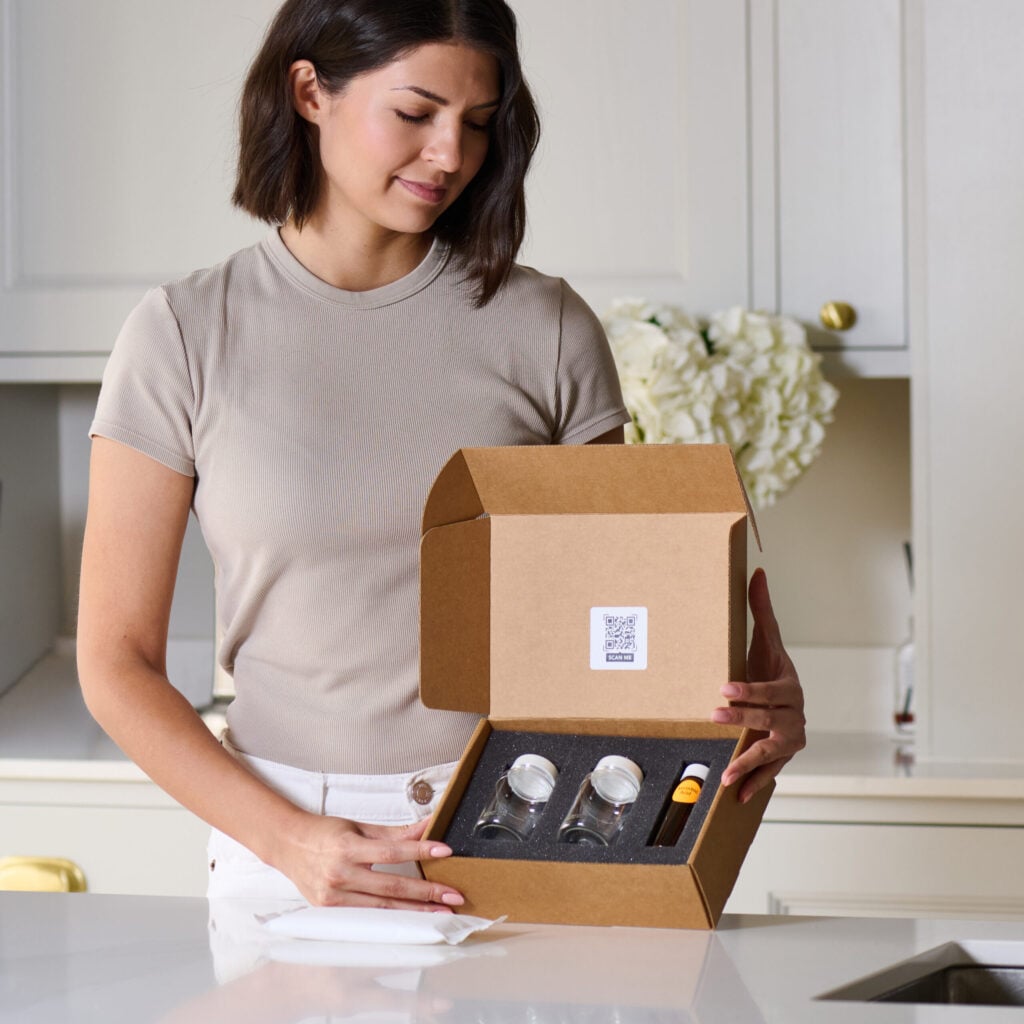
What’s Inside Your Testing Kit?

Sampling Instructions

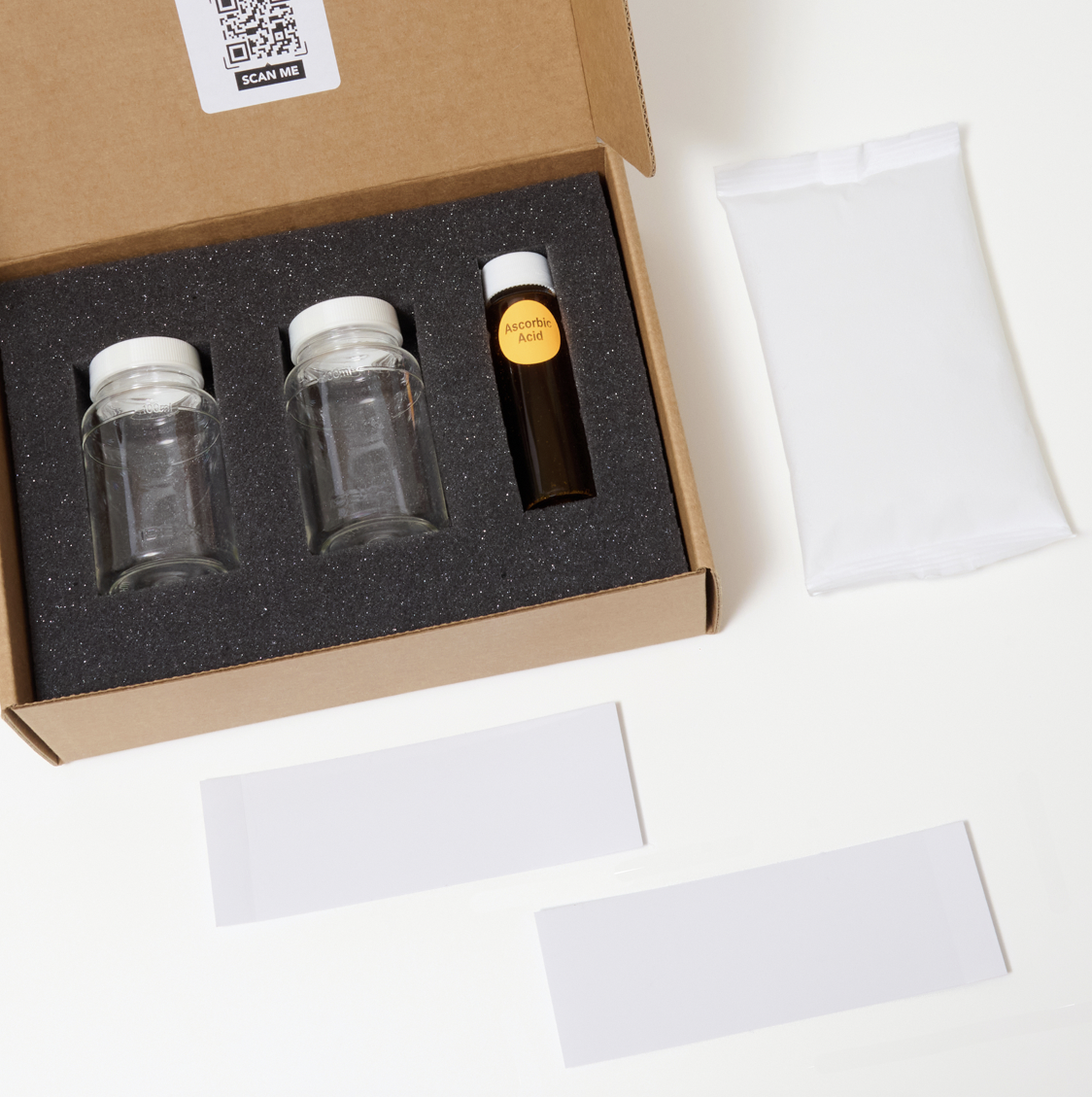
Every test comes with step-by-step instructions on how to prepare your water source, collect your water sample, and prepare your sample for return shipment to our lab.

Collection Bottles

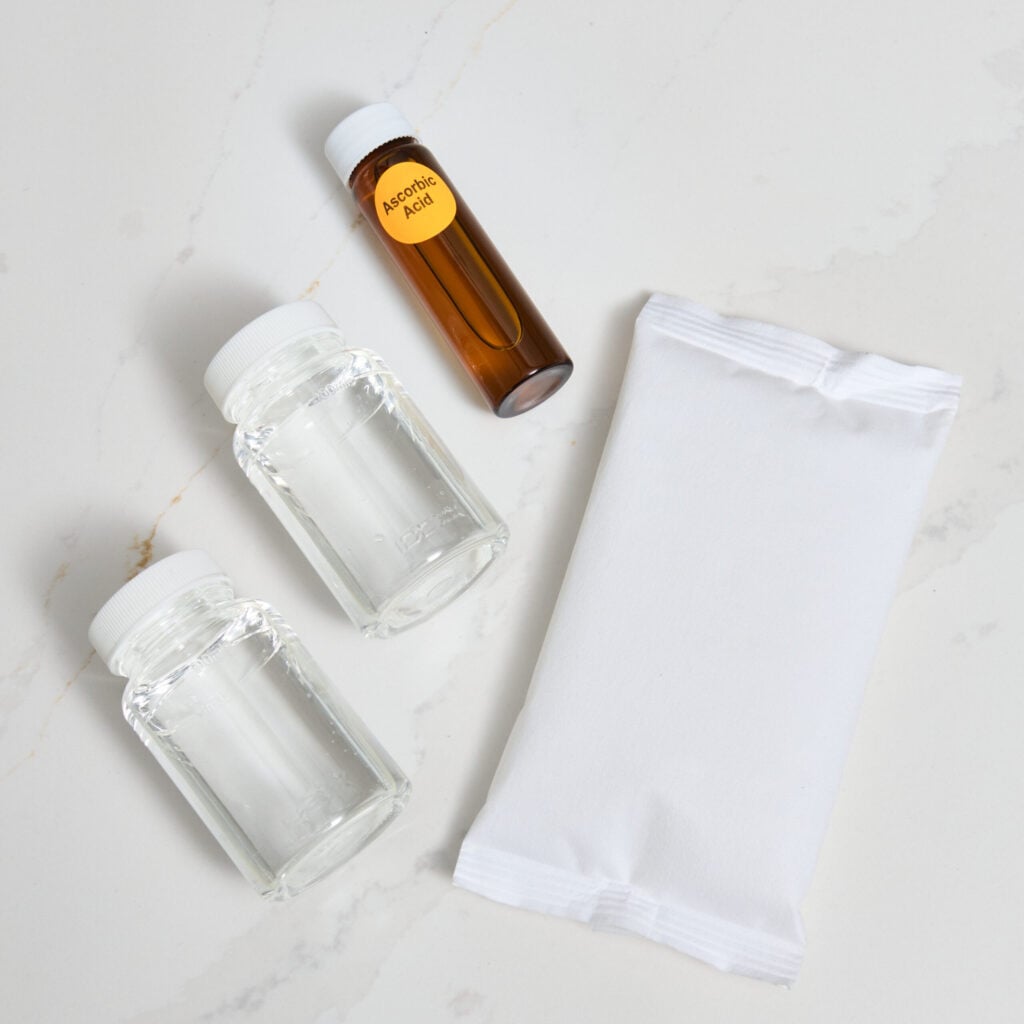
The appropriate sample containers are provided with sterility and sample volume requirements taken into consideration.

Sample Information Form

A short form to fill out with basic information about your water source. This helps our lab technicians process your results accurately.

Prepaid Shipping Label

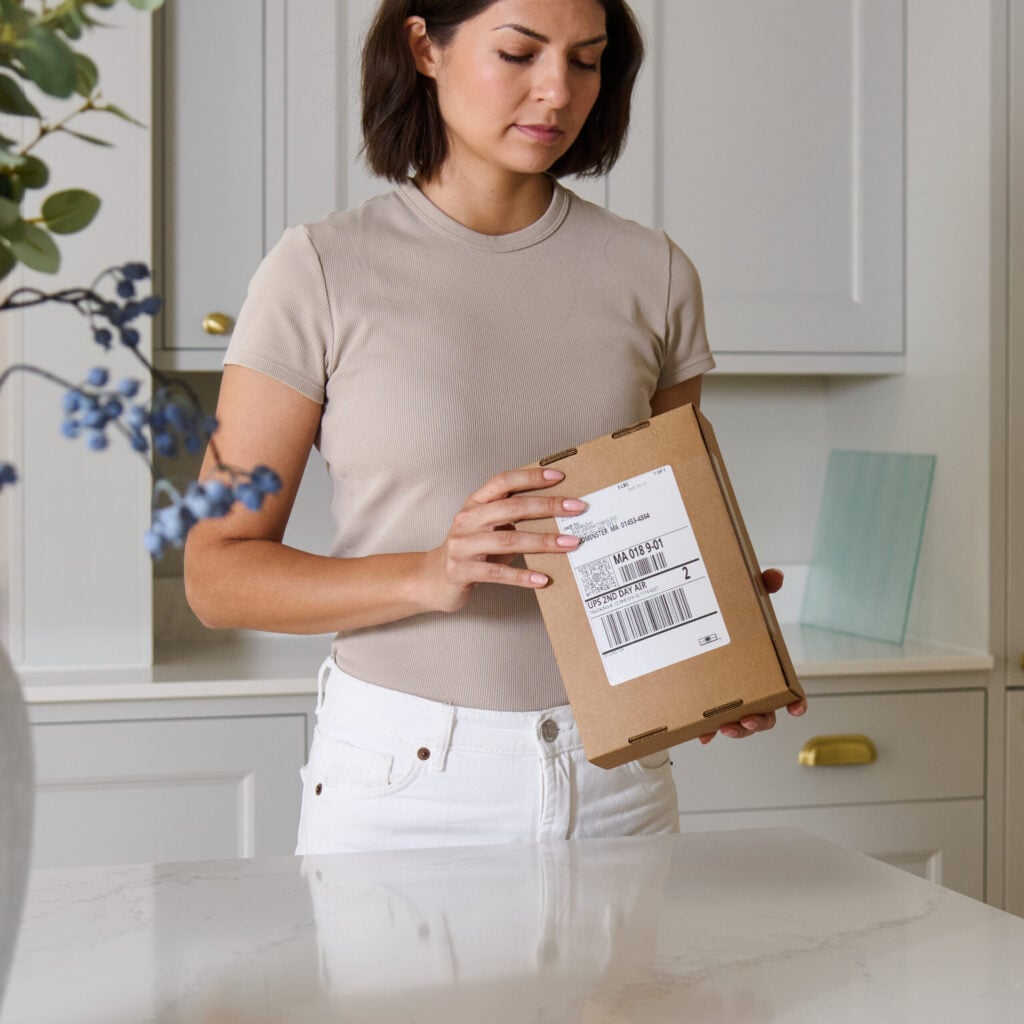
A pre-paid return shipping label is included — just drop the sealed package in any mailbox or hand it to your mail carrier. No extra cost.

Our Reviews

★★★★★
ANGI

“The test was simple—collect a water sample from a faucet in the home. We sent the test to the lab and received a water quality analysis within a few days. The test included analysis of the water sample for the presence of: coliform bacteria, E. coli, iron, lead, pH, turbidity, and nitrates/nitrites.”

Taylor L.

★★★★★
TRUSTPILOT

“Incredible lab, they really care about their customers. As someone who doesn’t know a whole lot about water quality, they took their time to help me understand everything about my water quality situation.”

Brad R.

★★★★★
GOOGLE

“I’ve used ETR for several tests, both water and air. The test kits are easy to understand and the reports are very comprehensive. But what really makes them stand out is their quality of service. There is a lot of terminology in these reports that I don’t understand, but their staff is very knowledgeable and always available to assist. They really take their time to review the results with you on the phone, and answer any questions you may have.”

John T.

4.8

Average Rating

across all platforms

500K+

Water Tests Sold

nationwide since 1995

342+

Reviews on Angi

verified homeowner reviews

Why Choose ETR Labs to Test Your Water

Results You Can Trust

Accuracy is at the core of everything we do, and through strict quality standards and a commitment to scientific excellence, we deliver results you can trust.
 

No Middleman

We run every test inside our own lab in Leominster, Massachusetts. Your results come straight from us, not a subcontractor. That keeps our pricing fair and our quality consistent across every kit we send out.

Free Follow-Up Consultations

Most labs stop at handing you a report. We do not. Every result comes with a free call to one of our water quality experts, so you understand what your numbers mean and what to do next.

Respected Name in the Water Industry

ETR Laboratories has run water tests for over 30 years. We hold membership in the national Water Quality Association and the Massachusetts Ground Water Association.

We're Trusted by Our Customers

Our reviews reflect the work we do. We hold a 4.8 out of 5 rating on Google, a 4.8 out of 5 rating on Angi from 342 reviews, and five-star ratings on Trustpilot.

Our Recommended Test

We recommendPremium Water Test

Premium Water Test

Our Premium Water Test screens your water for 113 substances in one round, including bacteria, radon, heavy metals, and industrial chemicals, providing homeowners and landlords with a thorough assessment for peace of mind. We have run…

  • Bacteria
  • Radon
  • Heavy Metals
  • Industrial Chemicals
  • Minerals & Water Attributes
$249.00

FAQs

Is tin in drinking water harmful?

Usually not on its own. Inorganic tin, the form in solder and in tap water, is poorly absorbed and considered low in toxicity, and the body passes swallowed tin out in the stool. The bigger reason to pay attention is what tin says about your plumbing. If tin is dissolving from solder or fittings, copper and lead may be dissolving too, and those carry stronger health concerns.

How much tin in water is too much?

There is no federal limit for tin in drinking water, and public systems are not required to test for it. Tin at the levels found in tap water has low toxicity, so the EPA has not set a number. Many people read any detection as a clue about corrosion instead. Comparing it with your copper and lead levels gives the clearest picture of your plumbing.

Are organotins in water a concern?

They are rarely found in household water, but they are far more toxic than ordinary tin. Organotins are tin compounds bonded to carbon, once used in some pesticides, plastics, and marine paints. A standard tin test reports total tin and does not single out organotins. If you live near a boatyard or an industrial site with a history of these products, mention it during your consultation.

What are the symptoms of tin poisoning?

Swallowing large amounts of inorganic tin can cause stomachaches, nausea, vomiting, and diarrhea, usually after eating food from cans with very high tin levels. Long-term high exposure has been linked to anemia and liver and kidney problems. Tin poisoning from household water is rare. If you suspect any metal poisoning, please talk with your doctor rather than relying on a water result alone.

Does boiling water remove tin?

No. Boiling does not remove tin or other dissolved metals. As water steams away, the tin stays behind in less water, so the level can rise slightly. If corrosion is adding metal to your water, the fix starts with the water chemistry and plumbing, and a retest afterward confirms the change. Our team can help you sort out which of those steps fits your home.

Can new plumbing add tin to my water?

It can for a while. Fresh solder joints and new bronze or brass fittings may release more metal in the first weeks of use, especially with soft or acidic water. Levels often settle as a protective mineral layer forms inside the pipes. A retest once the new plumbing has been in regular use for a while shows whether it has settled down. If tin stays high, copper and lead are worth checking as well.

Can tin in water cause a metallic taste?

Tin is rarely the cause on its own. A metallic taste in tap water more often comes from copper, iron or zinc, though tin may be present alongside them when corrosive water attacks solder and bronze fittings. If water that sat overnight tastes metallic, it often points to corrosion somewhere in your plumbing. Testing tin along with copper and lead helps show which metals are coming from your pipes, and how much each one adds to your water.

Is tin a concern on city water?

It can show up, though usually from your own plumbing rather than the utility. City water tends to leave the treatment plant with very little tin, but corrosive water can pick it up from solder joints and bronze fittings inside the home. Many utilities adjust their water chemistry to reduce corrosion, which helps. Testing at your tap shows what your own pipes add, since a utility's report reflects water at the plant and in the mains.

Statement of Confidentiality

No shared results. Our laboratory holds our clients privacy to the highest regard, your results and information will never be shared. Be aware that state certified laboratories may be required to report your results to various government agencies.