Free Shipping on Orders of $100 or More

Oil & Grease Water Test

$90.00

Our oil and grease test measures the total amount of oily material in your water, including petroleum oils, fats, waxes, and greases. People order it after spotting a rainbow sheen, an oily film in a glass, or a fuel smell at the tap. It suits well owners near a heating oil tank, homes hit by flooding, and properties close to auto shops or fuel storage.

This test answers whether oily material is present and how much. It does not tell you which fuel it is, so a positive result is often the first step toward a more detailed fuel test. A copy of your report also helps later, since cleanup contractors and insurers often ask for results.

What is oil and grease in water?

Oil and grease is our lab term for oily material that does not mix with water, including petroleum oils, fats, waxes, and greases. It usually reaches a well from a nearby source.

Here are the common sources of oil in well water:

  • A leaking heating oil tank or a spill near the wellhead
  • Floodwater carrying runoff from driveways and garages
  • Lubricants introduced during pump repairs
  • Nearby auto shops, manufacturers, and fuel depots

Oil floats and clings to surfaces, so it may show up as a sheen before you notice a taste. Oil on the ground can take months to move through soil. The EPA private well pages suggest testing after any spill or flood near a well.

Is this test right for me?

This oil and grease test answers a plain question: is petroleum or fatty material getting into your water? It fits you if you see a rainbow sheen, an oily film in a glass, or a fuel odor that does not clear when you run the tap.

It is often ordered after a heating oil tank leak, a flood, or work on a well pump.

Owners near an auto shop, manufacturer, or fuel depot also use it as a check. If you need to know which fuel compounds are present, our TPH or VOC test adds that detail.

Shipping info

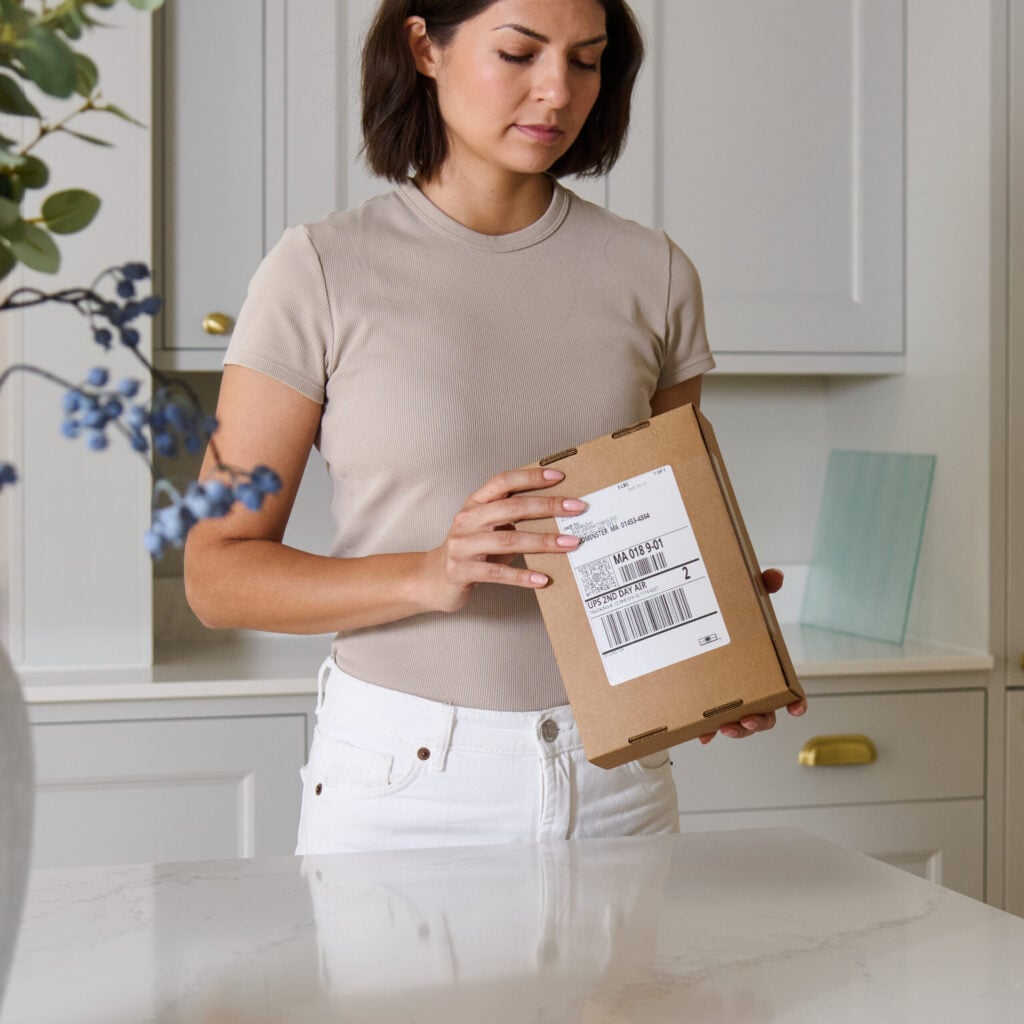
Orders of $100 or more ship free, and orders under $100 ship for an $8 flat rate. Every kit comes with a prepaid return label, so sending your sample back costs nothing extra.

Please mail the sample on the day you collect it. Adding a TPH test to your order is a common way to get a fuller picture of a petroleum problem.

Tested in Our Accredited Lab

We analyze your sample in our accredited lab, using established testing methods and quality controls.

We have tested water since 1995.

Free Expert Consultation

Every test includes a free consultation with one of our water experts. We go over your results with you, explain what the numbers mean for your home, and help you decide on the appropriate next step, including any filtration approach.

Order Kit

Ships free to your door
Collect Sample

Takes under 5 minutes

Ship to Lab

Free return shipping

Get Results

Expert Consultation

Order Kit

Ships free to your door

Collect Sample

Takes under 5 minutes

Ship to Lab

Free return shipping

Get Result

Expert Consultation

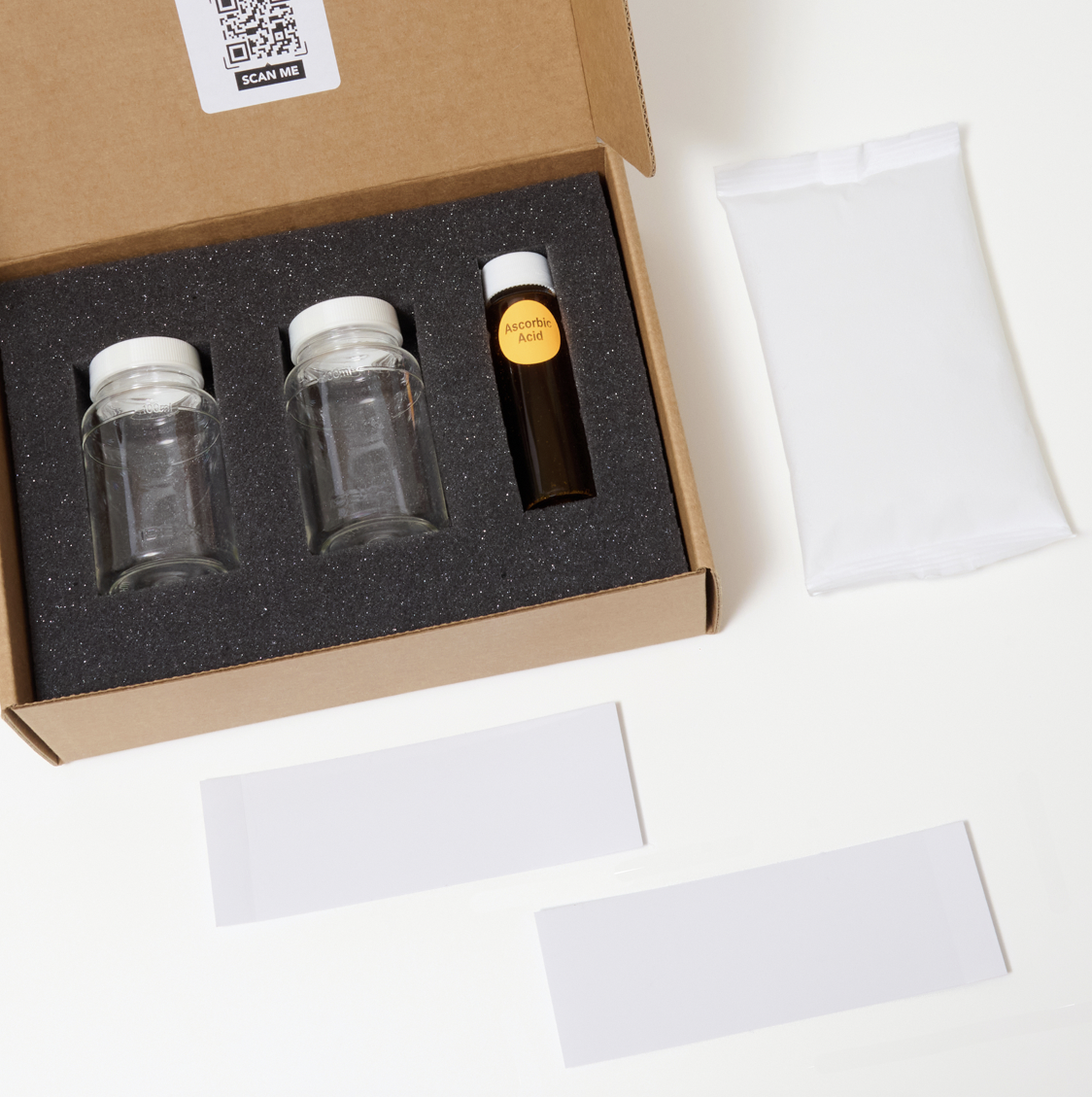
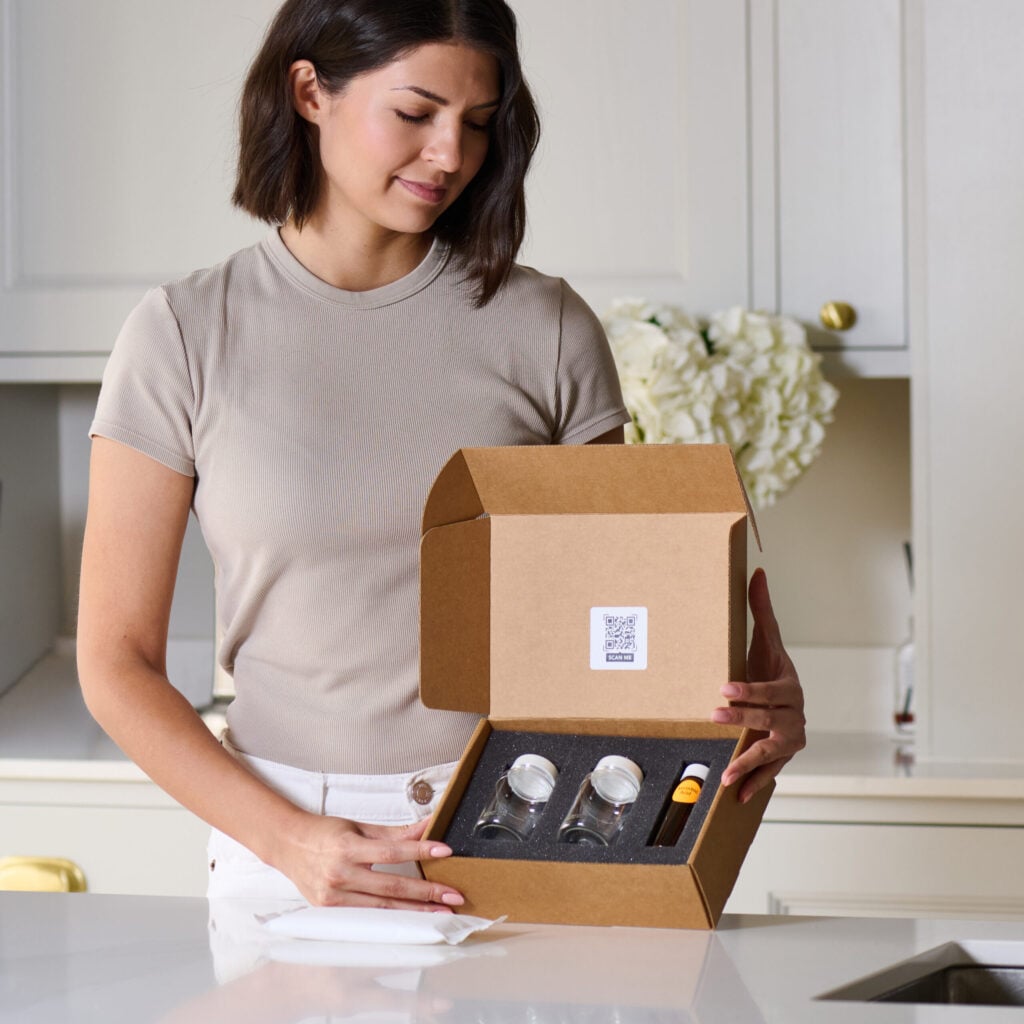
What’s Inside Your Testing Kit?

Sampling Instructions

Every test comes with step-by-step instructions on how to prepare your water source, collect your water sample, and prepare your sample for return shipment to our lab.

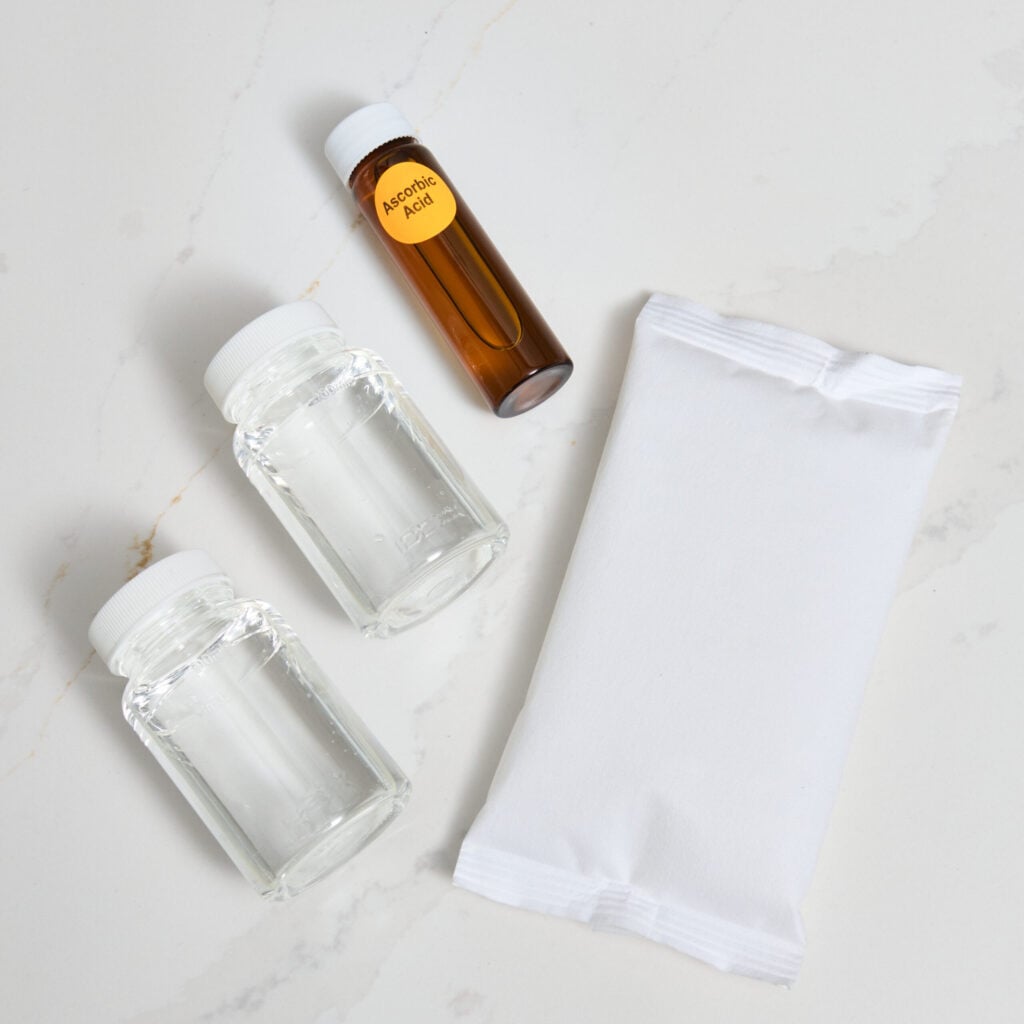
Collection Bottles

The appropriate sample containers are provided with sterility and sample volume requirements taken into consideration.

Sample Information Form

A short form to fill out with basic information about your water source. This helps our lab technicians process your results accurately.

Prepaid Shipping Label

A pre-paid return shipping label is included — just drop the sealed package in any mailbox or hand it to your mail carrier. No extra cost.

Our Reviews

★★★★★
ANGI

“The test was simple—collect a water sample from a faucet in the home. We sent the test to the lab and received a water quality analysis within a few days. The test included analysis of the water sample for the presence of: coliform bacteria, E. coli, iron, lead, pH, turbidity, and nitrates/nitrites.”

Taylor L.

★★★★★
TRUSTPILOT

“Incredible lab, they really care about their customers. As someone who doesn’t know a whole lot about water quality, they took their time to help me understand everything about my water quality situation.”

Brad R.

★★★★★
GOOGLE

“I’ve used ETR for several tests, both water and air. The test kits are easy to understand and the reports are very comprehensive. But what really makes them stand out is their quality of service. There is a lot of terminology in these reports that I don’t understand, but their staff is very knowledgeable and always available to assist. They really take their time to review the results with you on the phone, and answer any questions you may have.”

John T.

4.8

Average Rating

across all platforms

500K+

Water Tests Sold

nationwide since 1995

342+

Reviews on Angi

verified homeowner reviews

Why Choose ETR Labs to Test Your Water

Results You Can Trust

Accuracy is at the core of everything we do, and through strict quality standards and a commitment to scientific excellence, we deliver results you can trust.
 

No Middleman

We run every test inside our own lab in Leominster, Massachusetts. Your results come straight from us, not a subcontractor. That keeps our pricing fair and our quality consistent across every kit we send out.

Free Follow-Up Consultations

Most labs stop at handing you a report. We do not. Every result comes with a free call to one of our water quality experts, so you understand what your numbers mean and what to do next.

Respected Name in the Water Industry

ETR Laboratories has run water tests for over 30 years. We hold membership in the national Water Quality Association and the Massachusetts Ground Water Association.

We're Trusted by Our Customers

Our reviews reflect the work we do. We hold a 4.8 out of 5 rating on Google, a 4.8 out of 5 rating on Angi from 342 reviews, and five-star ratings on Trustpilot.

Our Recommended Test

We recommendPremium Water Test

Premium Water Test

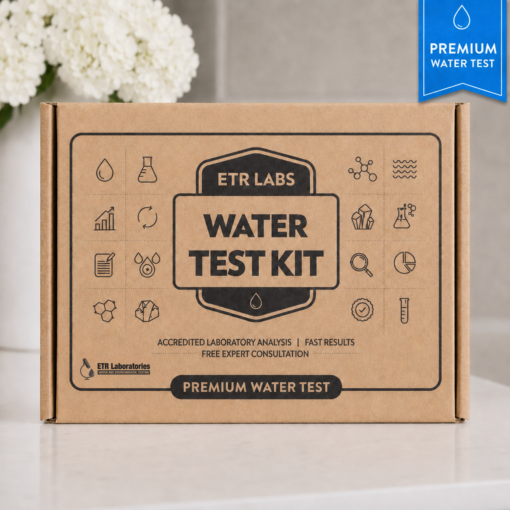
Our Premium Water Test screens your water for 113 substances in one round, including bacteria, radon, heavy metals, and industrial chemicals, providing homeowners and landlords with a thorough assessment for peace of mind. We have run…

  • Bacteria
  • Radon
  • Heavy Metals
  • Industrial Chemicals
  • Minerals & Water Attributes
$249.00

FAQs

Is oil in drinking water harmful?

It can be. Petroleum products give water an unpleasant taste and smell, and some fuel compounds, such as benzene, are linked to cancer with long-term exposure. Short-term exposure to fuel vapors may cause headaches, nausea, or dizziness. The health effects depend on which compounds are present, so a follow-up TPH or VOC test helps clarify the risk for your home.

How much oil and grease in water is too much?

Any measurable amount deserves attention. The EPA does not set a drinking water limit for oil and grease as a group, because household water should not contain fuel or grease at all. A result above our lab's reporting limit is a reason to find the source. It also makes sense to test for specific fuel compounds that do have federal limits.

What is the difference between oil and grease?

Both are fatty or petroleum-based materials that do not mix with water. Oil is liquid at room temperature, while grease is thicker and semi-solid. In water testing, they are measured together because the same extraction method captures both. For a homeowner, the source is the bigger question than the type, which is why a follow-up test often comes next.

What causes an oily film on well water?

Fuel or lubricant contamination is one cause, often from a leaking tank, runoff, or pump work. Iron bacteria can also make a shiny film. A common home check is to poke the film with a stick. Iron bacteria film tends to break into pieces, while oil usually swirls back together. Our lab test confirms which one you have.

Should I stop drinking my water if I see an oil sheen?

It is a reasonable precaution. Until you know what the sheen is and where it comes from, bottled water for drinking and cooking keeps you on the safe side. Our lab result usually takes the guesswork out within days. If the result is positive, the same caution makes sense until the source is fixed and a retest comes back clean.

How is this different from a TPH test?

This test measures all oily material together, including animal and vegetable fats as well as petroleum. A Total Petroleum Hydrocarbons test focuses on hydrocarbons from crude oil and fuels, which helps narrow the source. A VOC test goes further and names individual fuel compounds such as benzene. Many owners start here and add the others if the result is positive.

Does boiling water remove oil or fuel?

No. Boiling does not make oily water safe to drink, and heating water that contains fuel can release vapors into the air in your kitchen. Heavier oils and greases simply stay behind in the pot. Bottled water for drinking and cooking is the safer short-term choice until you know the source. Once the source is fixed, a retest shows if the level has dropped below our lab's reporting limit and the water is back to normal.

Can oil in my water damage plumbing or treatment equipment?

It can. Oily material tends to coat surfaces, so it may build up inside pressure tanks, water heaters, and filter cartridges. Filters and softeners that get coated can stop working as designed and may need replacement sooner than planned. A fuel smell that lingers in the house after a leak can also come from oil trapped in the plumbing. A result before and after cleanup helps you judge when the system is clear.

Statement of Confidentiality

No shared results. Our laboratory holds our clients privacy to the highest regard, your results and information will never be shared. Be aware that state certified laboratories may be required to report your results to various government agencies.