Free Shipping on Orders of $100 or More

Table of Contents

How Private Wells Become Contaminated and What You Can Do About It

A water supply system with a hydraulic tank and a well filter.
Owning a private well comes with the responsibility of ensuring that your water remains clean and safe. While many well owners assume their water is pure, various environmental and human factors can lead to contamination. Understanding how private wells become contaminated and taking proactive measures can protect your water supply and your health. Common Causes of Well Water Contamination Private wells can become contaminated due to a variety of factors, including:
  1. Surface Runoff: Heavy rainfall can wash pesticides, herbicides, and fertilizers from farms and lawns into groundwater sources.
  2. Septic System Leaks: Improperly maintained septic systems can leach bacteria, nitrates, and viruses into nearby wells.
  3. Road Salt and Chemical Spills: Salt used for de-icing roads and accidental chemical spills can seep into groundwater, altering water composition.
  4. Industrial and Agricultural Pollution: Factories and farms may release harmful contaminants such as heavy metals, volatile organic compounds (VOCs), and nitrates.
  5. Naturally Occurring Contaminants: Some wells may contain naturally high levels of arsenic, manganese, or radon due to the surrounding geology.
  6. Well Construction Issues: Poorly sealed well caps or aging well infrastructure can allow bacteria, insects, and debris to enter the water supply.
Signs Your Well Water May Be Contaminated It’s crucial to recognize the warning signs of contamination, including:
  • A sudden change in water taste, odor, or color.
  • Cloudy or sediment-filled water.
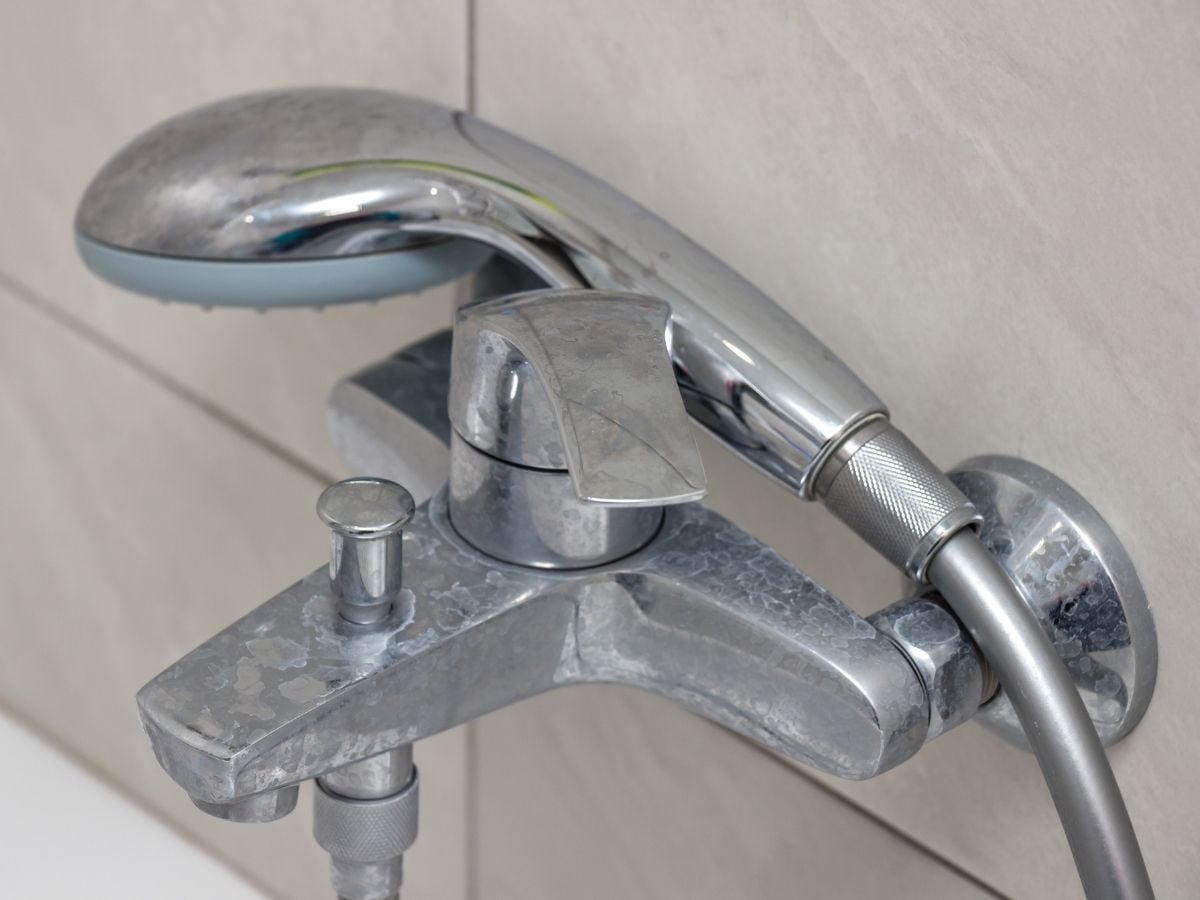
  • A metallic or rotten egg smell (indicating sulfur, iron, or bacterial contamination).
  • Family members experiencing gastrointestinal issues or unexplained illnesses.
How to Prevent and Address Well Water Contamination Taking preventative steps and addressing contamination early can help ensure your water remains safe:
  • Test Your Water Annually: Regular well water testing helps identify potential contaminants before they become a serious issue.
  • Maintain Your Well: Inspect your well cap and casing to ensure no breaches exist.
  • Upgrade Filtration and Treatment Systems: Depending on test results, installing water treatment solutions can remove harmful contaminants.
  • Properly Maintain Septic Systems: Pump and inspect your septic system regularly to prevent leaks that could impact your water supply.
  • Monitor Nearby Land Use: Stay informed about industrial or agricultural activities near your property that may impact groundwater quality.
  • Consider a Well Inspection: A professional well inspection can identify potential risks and structural issues affecting your water quality.
Final Thoughts: Contaminated well water can pose serious health risks, but by understanding the causes and taking proactive measures, you can safeguard your drinking water. Don’t wait until problems arise—stay ahead of contamination risks with regular testing and maintenance. Order a water test today to ensure the safety of your drinking water.
Your app for winnings — mostbet.
Trusted by millions — 1xbet.

Share this

Recent Post

A Boil Water Advisory Just Hit Washington DC. Here’s the Lesson Every City Water Customer Needs to Hear

On June 5, 2026, residents in nearly a dozen neighborhoods in Northwest Washington DC started noticing something wrong with their water pressure. DC Water received calls from customers experiencing low to no pressure at multiple locations at the same time the Fort Reno Pumping Station was experiencing fluctuating power issues, with a full loss of power hitting at around 12:30 p.m.

Read More »

The States With the Worst Tap Water in 2026: What Homeowners Need to Know

No state in America has perfectly clean tap water. That is not a dramatic claim. It is simply what the data shows. Based on EPA violation data, contaminant testing, and infrastructure assessments, the states with the most documented tap water problems in 2026 are Texas, California, New York, New Jersey, Florida, Pennsylvania, Louisiana, Arizona, Wisconsin, and Massachusetts. The most common problems across these states are PFAS, lead service lines, disinfection byproducts, arsenic, and nitrates.

Read More »

Related Post.

A Boil Water Advisory Just Hit Washington DC. Here’s the Lesson Every City Water Customer Needs to Hear

On June 5, 2026, residents in nearly a dozen neighborhoods in Northwest Washington DC started noticing something wrong with their water pressure. DC Water received calls from customers experiencing low to no pressure at multiple locations at the same time the Fort Reno Pumping Station was experiencing fluctuating power issues, with a full loss of power hitting at around 12:30 p.m.

Read More »

The States With the Worst Tap Water in 2026: What Homeowners Need to Know

No state in America has perfectly clean tap water. That is not a dramatic claim. It is simply what the data shows. Based on EPA violation data, contaminant testing, and infrastructure assessments, the states with the most documented tap water problems in 2026 are Texas, California, New York, New Jersey, Florida, Pennsylvania, Louisiana, Arizona, Wisconsin, and Massachusetts. The most common problems across these states are PFAS, lead service lines, disinfection byproducts, arsenic, and nitrates.

Read More »
A water supply system with a hydraulic tank and a well filter.

How Private Wells Become Contaminated and What You Can Do About It

Owning a private well comes with the responsibility of ensuring that your water remains clean and safe. While many well owners assume their water is pure, various environmental and human factors can lead to contamination. Understanding how private wells become contaminated and taking proactive measures can protect your water supply and your health. Common Causes of Well Water Contamination Private wells can become contaminated due to a variety of factors, including:
  1. Surface Runoff: Heavy rainfall can wash pesticides, herbicides, and fertilizers from farms and lawns into groundwater sources.
  2. Septic System Leaks: Improperly maintained septic systems can leach bacteria, nitrates, and viruses into nearby wells.
  3. Road Salt and Chemical Spills: Salt used for de-icing roads and accidental chemical spills can seep into groundwater, altering water composition.
  4. Industrial and Agricultural Pollution: Factories and farms may release harmful contaminants such as heavy metals, volatile organic compounds (VOCs), and nitrates.
  5. Naturally Occurring Contaminants: Some wells may contain naturally high levels of arsenic, manganese, or radon due to the surrounding geology.
  6. Well Construction Issues: Poorly sealed well caps or aging well infrastructure can allow bacteria, insects, and debris to enter the water supply.
Signs Your Well Water May Be Contaminated It’s crucial to recognize the warning signs of contamination, including:
  • A sudden change in water taste, odor, or color.
  • Cloudy or sediment-filled water.
  • A metallic or rotten egg smell (indicating sulfur, iron, or bacterial contamination).
  • Family members experiencing gastrointestinal issues or unexplained illnesses.
How to Prevent and Address Well Water Contamination Taking preventative steps and addressing contamination early can help ensure your water remains safe:
  • Test Your Water Annually: Regular well water testing helps identify potential contaminants before they become a serious issue.
  • Maintain Your Well: Inspect your well cap and casing to ensure no breaches exist.
  • Upgrade Filtration and Treatment Systems: Depending on test results, installing water treatment solutions can remove harmful contaminants.
  • Properly Maintain Septic Systems: Pump and inspect your septic system regularly to prevent leaks that could impact your water supply.
  • Monitor Nearby Land Use: Stay informed about industrial or agricultural activities near your property that may impact groundwater quality.
  • Consider a Well Inspection: A professional well inspection can identify potential risks and structural issues affecting your water quality.
Final Thoughts: Contaminated well water can pose serious health risks, but by understanding the causes and taking proactive measures, you can safeguard your drinking water. Don’t wait until problems arise—stay ahead of contamination risks with regular testing and maintenance. Order a water test today to ensure the safety of your drinking water.
Your app for winnings — mostbet.
Trusted by millions — 1xbet.

Share this

Related Post.