Chromium 6 Water Test: The Test With No Federal Limit
Your well report says chromium is under the limit, and
Free Shipping on Orders of $100 or More
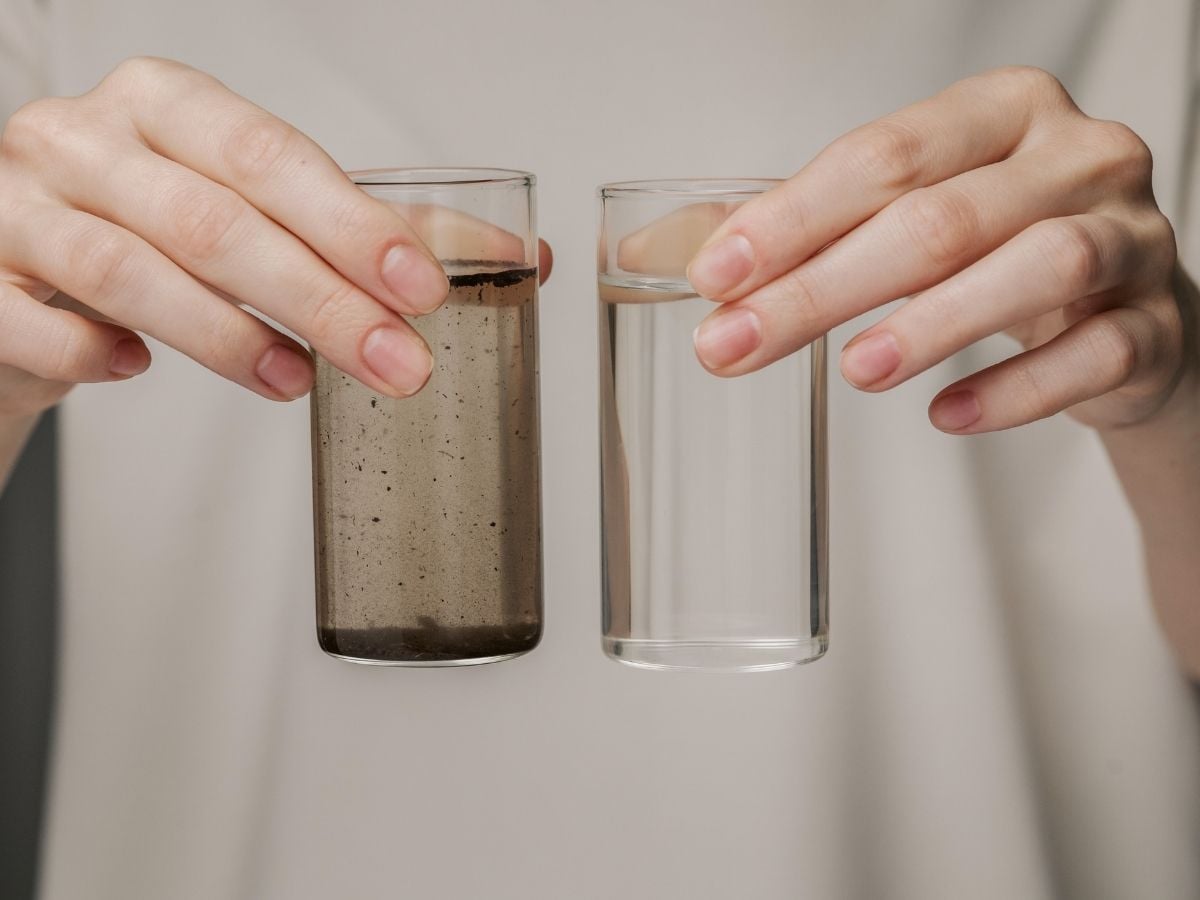
It’s almost natural to pinpoint lead or bacteria as typical water contaminants since they have been part of the public conversation for decades, but scientists have now begun paying attention to a different group of substances called emerging contaminants.
These compounds are not necessarily new, though.
Advances in testing technology have simply made it possible to detect them in drinking water, wastewater, soil, and even food, which raises new questions about their long-term effects.
Emerging contaminants, also called contaminants of emerging concern, are substances that are not commonly monitored yet may still pose a risk to ecosystems or human health. They can be synthetic, like industrial chemicals, or naturally occurring.
The word “emerging” refers to how recently these substances have come under scientific scrutiny, not a nod to when they were created. Many have existed in the environment for decades. What changed is the analytical technology available to detect them at extremely small concentrations, often measured in parts per trillion. Traditional regulated contaminants, such as lead or common bacteria, have established testing methods and legal limits. Emerging contaminants often lack both, which is part of what keeps them under active study.
Emerging contaminants enter the environment through everyday activity rather than a single obvious source.
Here is a look at where they typically originate:
Several common household items introduce these compounds into wastewater systems:
Manufacturing plants release industrial chemicals, including PFAS, as part of standard production processes. These compounds often enter water systems through discharge or runoff near facility sites.
Agricultural runoff carries pesticides and animal pharmaceuticals into nearby waterways. Municipal wastewater treatment and the biosolids that result from it can also carry trace amounts of these substances back into the environment.
A few everyday habits add small amounts of emerging contaminants to water systems over time:
Emerging contaminants span several categories, each with its own sources and characteristics:
This category includes antibiotics, pain relievers, hormones, and other prescription and over-the-counter drugs. They enter water systems mainly through excretion and improper disposal, along with wastewater discharge.
Sunscreens, triclosan, cosmetics, and similar products fall into this group. Many are designed to resist breakdown, which is part of what allows them to persist in water.
PFAS, often called forever chemicals, resist breakdown in the environment for extremely long periods. They appear in water-resistant fabrics and nonstick cookware, along with many other consumer products.
Microplastics form when larger plastic items break down over time, while nanoplastics are manufactured at a microscopic scale for use in some products. Both categories are still being studied for their effects on water systems and living organisms.
EDCs can interfere with hormone function in humans and wildlife. They come from a mix of consumer products and industrial sources, and several other categories on this list, including some pharmaceuticals and PFAS, can act as EDCs as well.
Finding these substances in water does not automatically signal immediate danger, but it does explain why researchers continue studying them.
Detecting emerging contaminants requires laboratory methods built for trace-level analysis rather than standard water testing panels. Here’s how they’re typically screened:
Specialized instrumentation can identify these substances at concentrations far below what standard equipment can measure, often down to parts per trillion.
Proper collection procedures count here as much as the lab equipment does. A sample has to represent the water source accurately, or the results will not reflect what is present.
Municipal water testing typically checks for a defined panel of regulated contaminants. Emerging contaminants usually fall outside that panel, since testing for them requires targeted analysis rather than a general screening. ETR Laboratories runs this kind of specialized testing in house, which allows it to look for contaminants that a standard municipal test would not catch.
Regulatory agencies typically require substantial research and risk evaluation before setting an enforceable limit. Many emerging contaminants are still moving through that process.
In April 2026, though, the EPA updated its interim guidance on destroying and disposing of PFAS materials, building on guidance first issued in 2024. The update offers recommendations rather than enforceable requirements, along with a new framework for evaluating destruction and disposal technologies such as underground injection, landfilling, and thermal treatment. The EPA also committed to publishing these updates annually going forward instead of every three years, so we can expect more of them in the near future.
No single treatment method addresses every emerging contaminant. A method that works well for one compound may do little for another, since chemical structure and concentration both affect how treatment technology performs.
Several technologies show promise for specific contaminants:
Treatment effectiveness depends on the contaminant being targeted, so a technology that performs well against one compound may not perform as well against another.
Testing for emerging contaminants makes the most sense in situations with a specific reason for concern, such as in:
Private well water does not go through municipal treatment or monitoring, so any emerging contaminants present would not be caught unless you test for them directly.
Homes near manufacturing sites, farmland, or wastewater treatment facilities face a higher chance of exposure to industrial chemicals, PFAS, or agricultural runoff.
Unusual taste, odor, or a documented local contamination event can all be reasons to look beyond standard water testing.
Some circumstances call for targeted lab work that goes beyond a routine panel. ETR Laboratories offers this kind of specialized analysis for households and businesses that want a clearer picture of what is in their water.
A few common misconceptions tend to shape how people think about emerging contaminants, such as:
Many of these substances have existed in the environment for decades. What changed is the ability to detect them, not their age.
Risk depends on the specific contaminant and its concentration, along with how a person is exposed to it. Grouping every compound into one risk category oversimplifies a field that varies widely by substance.
Routine municipal testing focuses on a defined list of regulated contaminants. Emerging contaminants often require specialized analysis that falls outside that standard panel.
These misconceptions shape how people interpret test results and news coverage alike, which is worth keeping in mind.
If you have questions about emerging contaminants in your water, ETR Laboratories offers specialized in-house testing that goes beyond a standard municipal panel. Contact ETR Laboratories today to discuss which tests fit your situation.
Your well report says chromium is under the limit, and
A VOC kit arrives with small glass vials, a preservative
You open a water test report, or compare two test
Related Post.
Chromium 6 Water Test: The Test With No Federal Limit
Your well report says chromium is under the limit, and that may seem like the
How VOCs Are Tested in Well Water: Lab Method Explained
A VOC kit arrives with small glass vials, a preservative already inside, a no-bubble rule
Copper and Manganese: Why Some Water Tests Skip Them
You open a water test report, or compare two test kits side by side, and
Golf Course Pesticides and Your Well Water: What to Test
Field studies have found turf pesticides in some groundwater beneath golf courses, usually below health
Giardia and Cryptosporidium in Well Water: Can You Test?
After a stomach illness, a flood, or a neighbor’s warning about parasites, a passing bacteria
Uranium Water Test: The Well Test Most Owners Skip
Uranium has no color, taste, or smell, and the routine tests many well owners order
State Well Water Testing Requirements by Region: A Guide
Private well testing requirements vary by state, and your county or municipality may add rules
Inside the ETR Laboratory: How Samples Are Analyzed
Most people who order a water test never see what happens after they mail the
Home Water Filtration Systems Often Pay for Themselves. Here Is the Math.
From the Lab by ETR Laboratories Most people treat bottled water as a small household
City Water vs Well Water: Different Tests, Different Risks
City water and private well water are managed differently, so the reasons you may want
What Comes in an ETR Water Test Kit: A Full Breakdown
When your ETR Lab’s water test kit arrives, the first question is usually simple: what’s
How ETR Laboratories Tests Your Water, Step by Step
Water testing ads usually talk about the kit in your mailbox. The part that decides