Free Shipping on Orders of $100 or More

Nitrite Water Test

$35.00

This test measures nitrite in water from your well or tap and compares it with the EPA limit of 1 milligram per liter. Nitrite has no color, taste, or smell, and infants under six months are the most sensitive to it. Families with a bottle-fed baby, homes near farm fields or septic systems, and anyone with a high nitrate or ammonia result are the people who usually order it.

Because nitrite turns into nitrate fairly quickly, finding it in a well can be a clue that the source is close by or recent. Levels can also swing with the seasons, rising after spring fertilizing or a wet stretch. A bottle-fed baby in the home is the strongest reason to test soon.

What is nitrite in water?

Nitrite is a form of nitrogen that appears as ammonia breaks down into nitrate. Finding it often marks contamination that is fresh or ongoing.

Here are the usual sources:

  • Fertilizer runoff from fields and lawns
  • Animal manure and livestock areas
  • Failing or crowded septic systems and sewage
  • Shallow wells or wells with damaged caps

Its partner, nitrate, is one of the most important indicators of whether a drilled well is working properly, because it signals surface water getting into the well, which raises the risk of bacteria. Both have federal limits on the EPA National Primary Drinking Water Regulations, and our Nitrate Water Test is the natural companion.

Is this test right for me?

Choose this test if a bottle-fed baby drinks your water or if formula is mixed with tap water. Nitrite is more toxic than nitrate, and infants under six months are the most sensitive to it.

It also helps if a nitrate or ammonia result came back high. Nitrite is the middle step as ammonia breaks down into nitrate, so seeing it can signal recent contamination from fertilizer, manure, or septic waste.

Homes on shallow wells near farm fields, livestock, or septic systems are good candidates, especially after heavy rain or spring fertilizing. It is also a sensible check after septic repairs or flooding, when you want to confirm waste has not reached your well.

Shipping info

Orders under $100 ship for an $8 flat rate, and orders of $100 or more ship free. Your kit's return label is already paid. Nitrite samples hold for roughly 48 hours, so please collect and ship as soon as possible after sampling, ideally the same day you collect.

Tested in Our Accredited Lab

We analyze your sample in our accredited lab, using established testing methods and quality controls.

We have tested water since 1995.

Free Expert Consultation

Every test includes a free consultation with one of our water experts. We go over your results with you, explain what the numbers mean for your home, and help you decide on the appropriate next step, including any filtration approach.

Order Kit

Ships free to your door
Collect Sample

Takes under 5 minutes

Ship to Lab

Free return shipping

Get Results

Expert Consultation

Order Kit

Ships free to your door

Collect Sample

Takes under 5 minutes

Ship to Lab

Free return shipping

Get Result

Expert Consultation

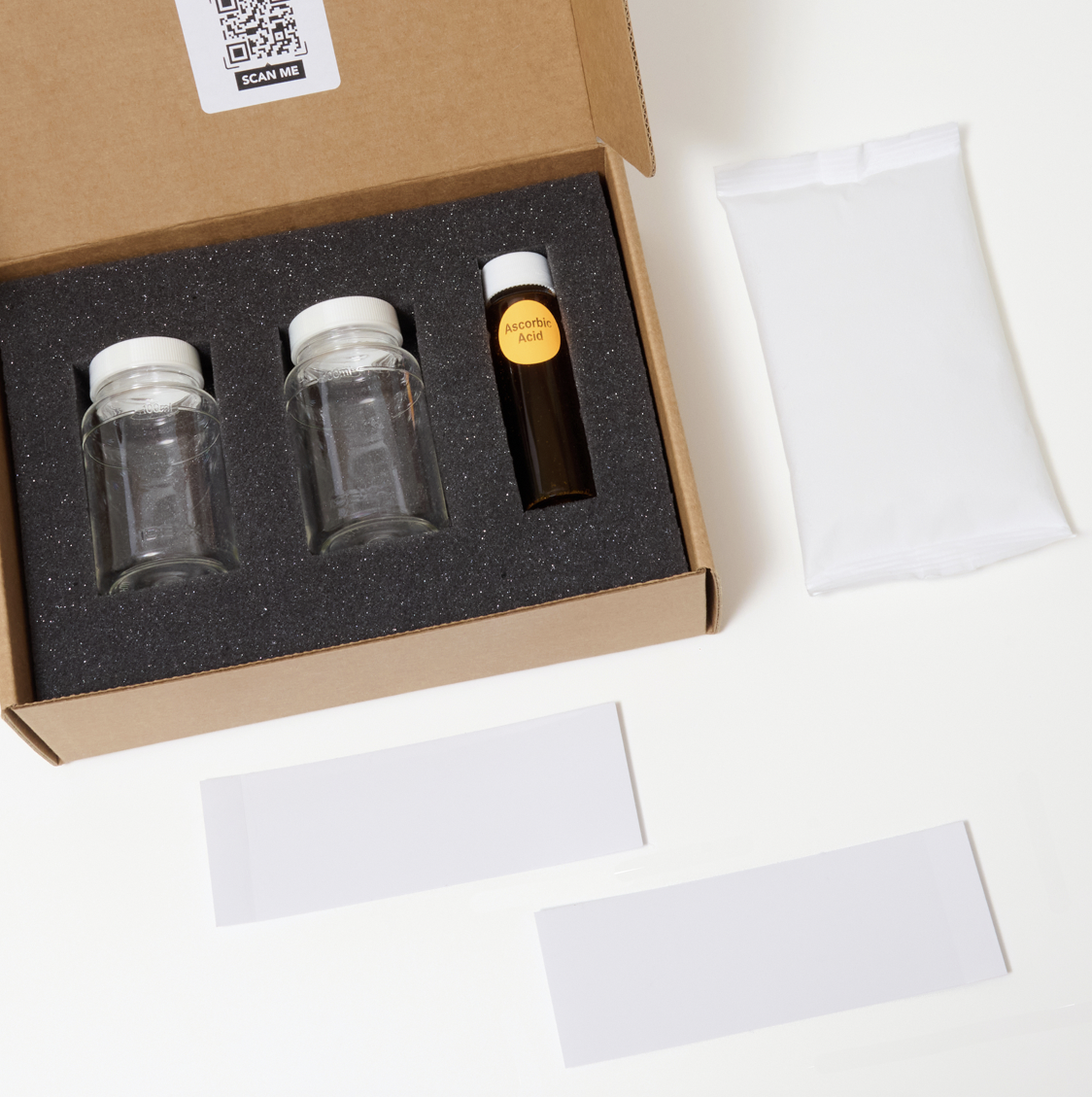
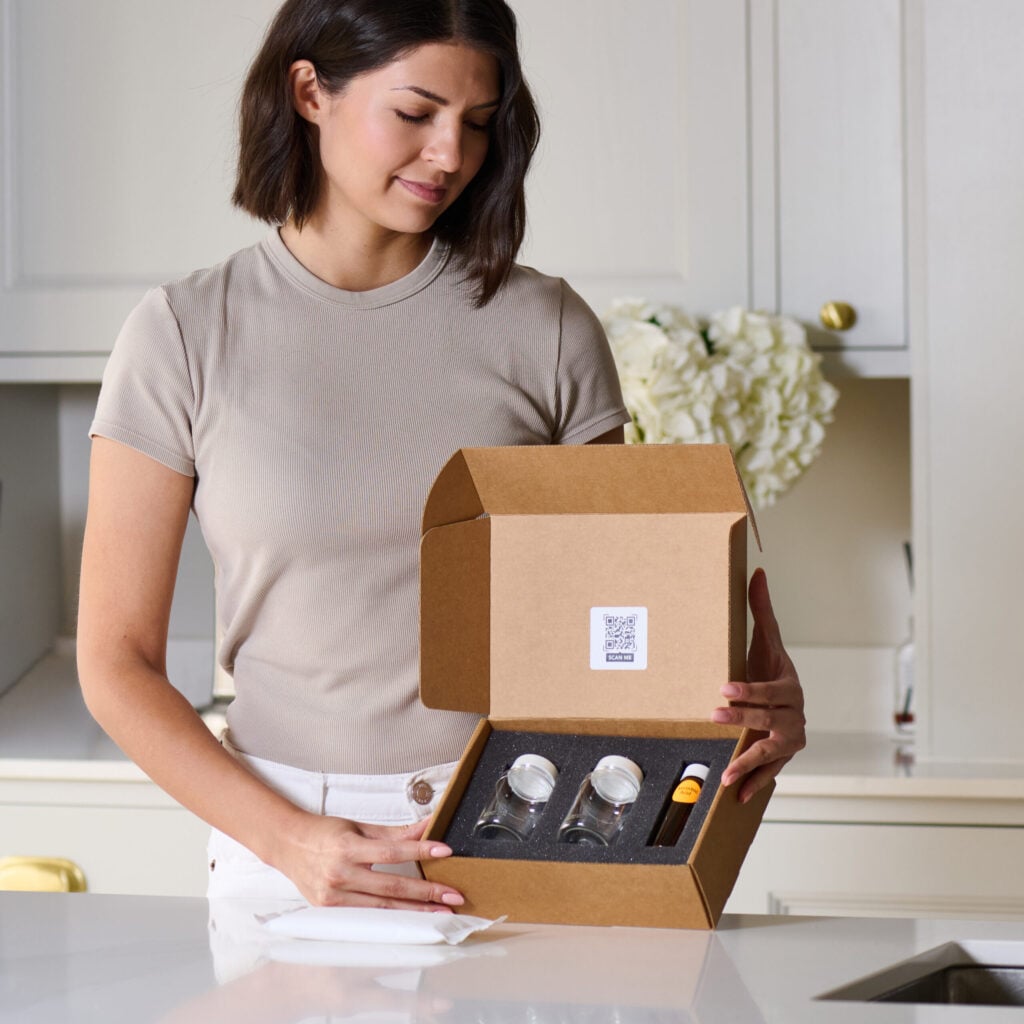
What’s Inside Your Testing Kit?

Sampling Instructions

Every test comes with step-by-step instructions on how to prepare your water source, collect your water sample, and prepare your sample for return shipment to our lab.

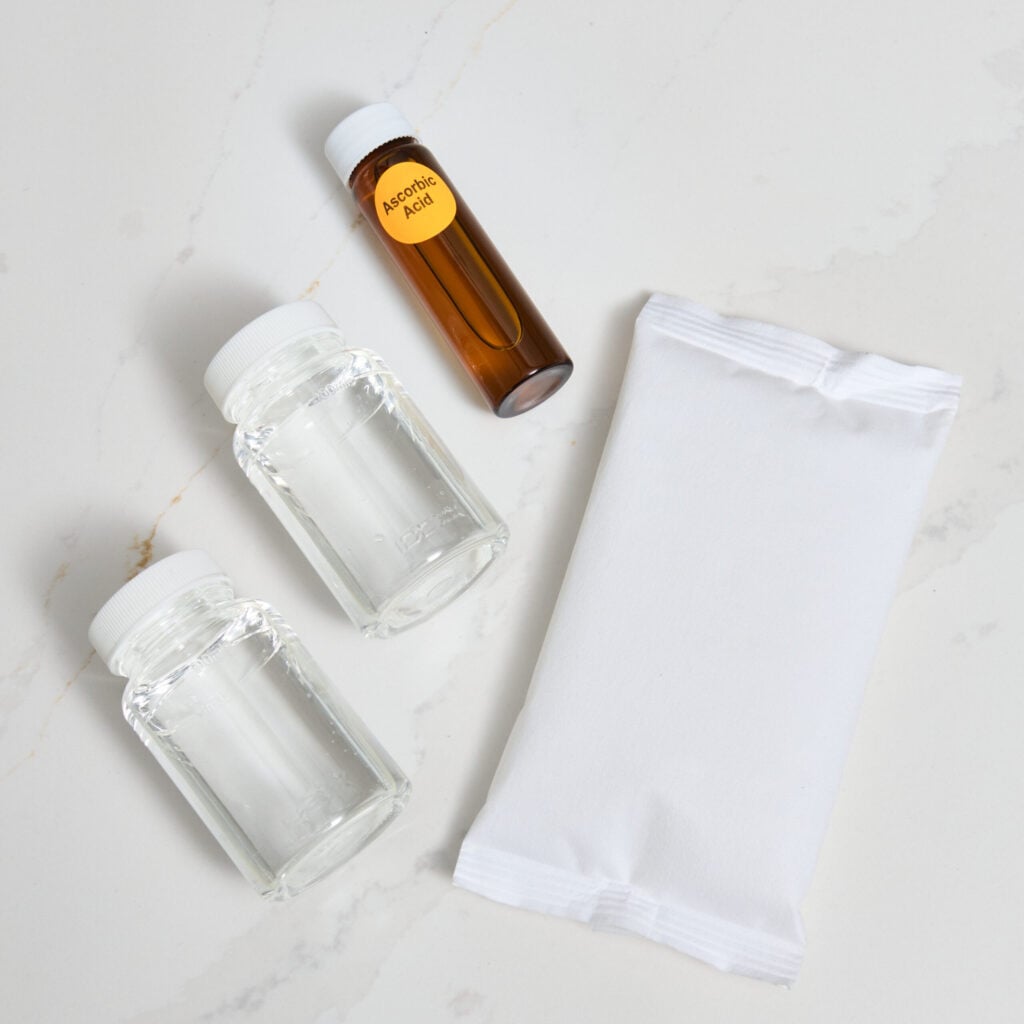
Collection Bottles

The appropriate sample containers are provided with sterility and sample volume requirements taken into consideration.

Sample Information Form

A short form to fill out with basic information about your water source. This helps our lab technicians process your results accurately.

Prepaid Shipping Label

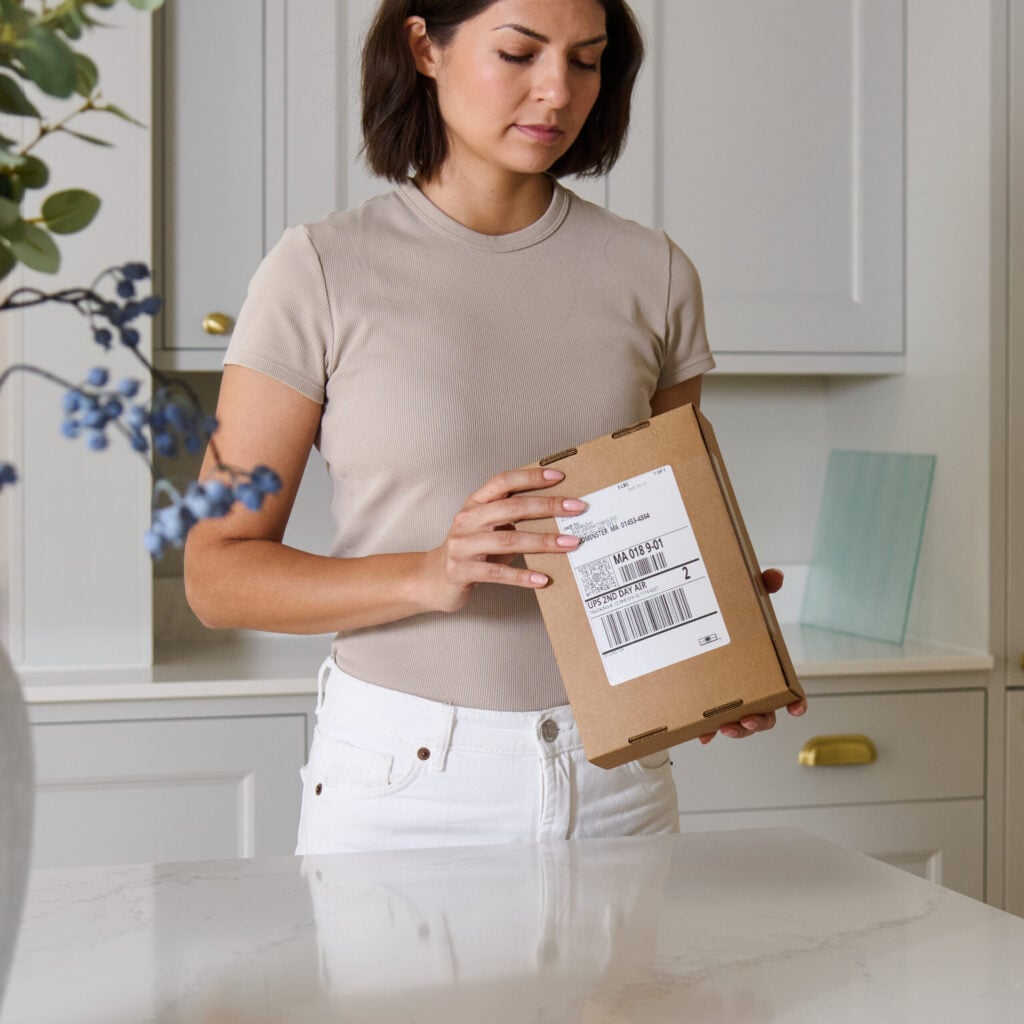
A pre-paid return shipping label is included — just drop the sealed package in any mailbox or hand it to your mail carrier. No extra cost.

Our Reviews

★★★★★
ANGI

“The test was simple—collect a water sample from a faucet in the home. We sent the test to the lab and received a water quality analysis within a few days. The test included analysis of the water sample for the presence of: coliform bacteria, E. coli, iron, lead, pH, turbidity, and nitrates/nitrites.”

Taylor L.

★★★★★
TRUSTPILOT

“Incredible lab, they really care about their customers. As someone who doesn’t know a whole lot about water quality, they took their time to help me understand everything about my water quality situation.”

Brad R.

★★★★★
GOOGLE

“I’ve used ETR for several tests, both water and air. The test kits are easy to understand and the reports are very comprehensive. But what really makes them stand out is their quality of service. There is a lot of terminology in these reports that I don’t understand, but their staff is very knowledgeable and always available to assist. They really take their time to review the results with you on the phone, and answer any questions you may have.”

John T.

4.8

Average Rating

across all platforms

500K+

Water Tests Sold

nationwide since 1995

342+

Reviews on Angi

verified homeowner reviews

Why Choose ETR Labs to Test Your Water

Results You Can Trust

Accuracy is at the core of everything we do, and through strict quality standards and a commitment to scientific excellence, we deliver results you can trust.
 

No Middleman

We run every test inside our own lab in Leominster, Massachusetts. Your results come straight from us, not a subcontractor. That keeps our pricing fair and our quality consistent across every kit we send out.

Free Follow-Up Consultations

Most labs stop at handing you a report. We do not. Every result comes with a free call to one of our water quality experts, so you understand what your numbers mean and what to do next.

Respected Name in the Water Industry

ETR Laboratories has run water tests for over 30 years. We hold membership in the national Water Quality Association and the Massachusetts Ground Water Association.

We're Trusted by Our Customers

Our reviews reflect the work we do. We hold a 4.8 out of 5 rating on Google, a 4.8 out of 5 rating on Angi from 342 reviews, and five-star ratings on Trustpilot.

Our Recommended Test

We recommendPremium Water Test

Premium Water Test

Our Premium Water Test screens your water for 113 substances in one round, including bacteria, radon, heavy metals, and industrial chemicals, providing homeowners and landlords with a thorough assessment for peace of mind. We have run…

  • Bacteria
  • Radon
  • Heavy Metals
  • Industrial Chemicals
  • Minerals & Water Attributes
$249.00

FAQs

Is nitrite in drinking water harmful?

Yes, at high levels. Nitrite changes hemoglobin, the part of your blood that carries oxygen, into a form that cannot carry it well. This condition is called methemoglobinemia. In infants, it can cause a bluish tint to the skin, trouble breathing, and fussiness, and it needs urgent medical care. Healthy adults tolerate more, but high exposure can still cause headaches and dizziness.

How much nitrite in water is too much?

More than 1 mg/L measured as nitrogen is above the EPA limit, which is ten times lower than the 10 mg/L limit for nitrate. That number is the Maximum Contaminant Level for public water and the usual benchmark for private wells. People who are pregnant and families with infants are often advised to avoid water near that level.

What is the difference between nitrite and nitrate?

Both are forms of nitrogen, but nitrite is less stable and more toxic. Nitrate is the more common form in water. Nitrite has a much lower federal limit, because smaller amounts can affect how blood carries oxygen. In water and in the body, the two can convert back and forth, which is why they are often tested together and why a nitrite result can hint at how recent a source is.

Does boiling water remove nitrite?

No. Boiling does not remove nitrite or nitrate. It makes the problem slightly worse, since the nitrogen stays behind as water evaporates. If your result is high, using bottled or treated water for drinking and formula is the safer short-term step. Treatment options exist, and our free consultation helps you decide on the appropriate filtration approach.

How often should I test my well for nitrite?

Once a year is a sensible habit for most wells, along with your nitrate and bacteria tests. Test sooner after flooding, septic repairs, or heavy fertilizing nearby, since those events can push nitrogen into the ground. Spring is a good time to check, because levels often peak after snowmelt and field work. If a bottle-fed baby drinks your water, testing before the baby arrives gives you a baseline.

How do you remove nitrite from well water?

Treatment works best alongside fixing the source, such as repairing a septic system or improving the well seal. Several treatment approaches can lower nitrite, and many households start with the water used for drinking and formula. Boiling does not help. Our free consultation helps you decide on the appropriate filtration approach, and a retest afterward confirms the level dropped.

Should I test for bacteria if my well has nitrite?

Often, yes. Nitrite usually comes from fertilizer, manure, or septic waste, and the same routes that carry nitrogen into a well can carry bacteria. Nitrate, its partner, is one of the most important indicators of whether a drilled well is working properly, because it signals surface water getting into the well. A coliform and E. coli test alongside nitrite and nitrate shows whether germs are following the same path into your water.

Can nitrite show up in city water?

It can, though it is uncommon. Public water systems must keep nitrite below the 1 mg/L federal limit and report detections in their annual water quality report. In systems that disinfect with chloramine, bacteria in the pipes can sometimes turn ammonia into nitrite, especially in warm months or at the far ends of the network. Those levels are usually low. If you mix formula with city water and want certainty, a tap test gives you a direct number.

Statement of Confidentiality

No shared results. Our laboratory holds our clients privacy to the highest regard, your results and information will never be shared. Be aware that state certified laboratories may be required to report your results to various government agencies.