Algal Blooms and Cyanotoxins in Water Supplies
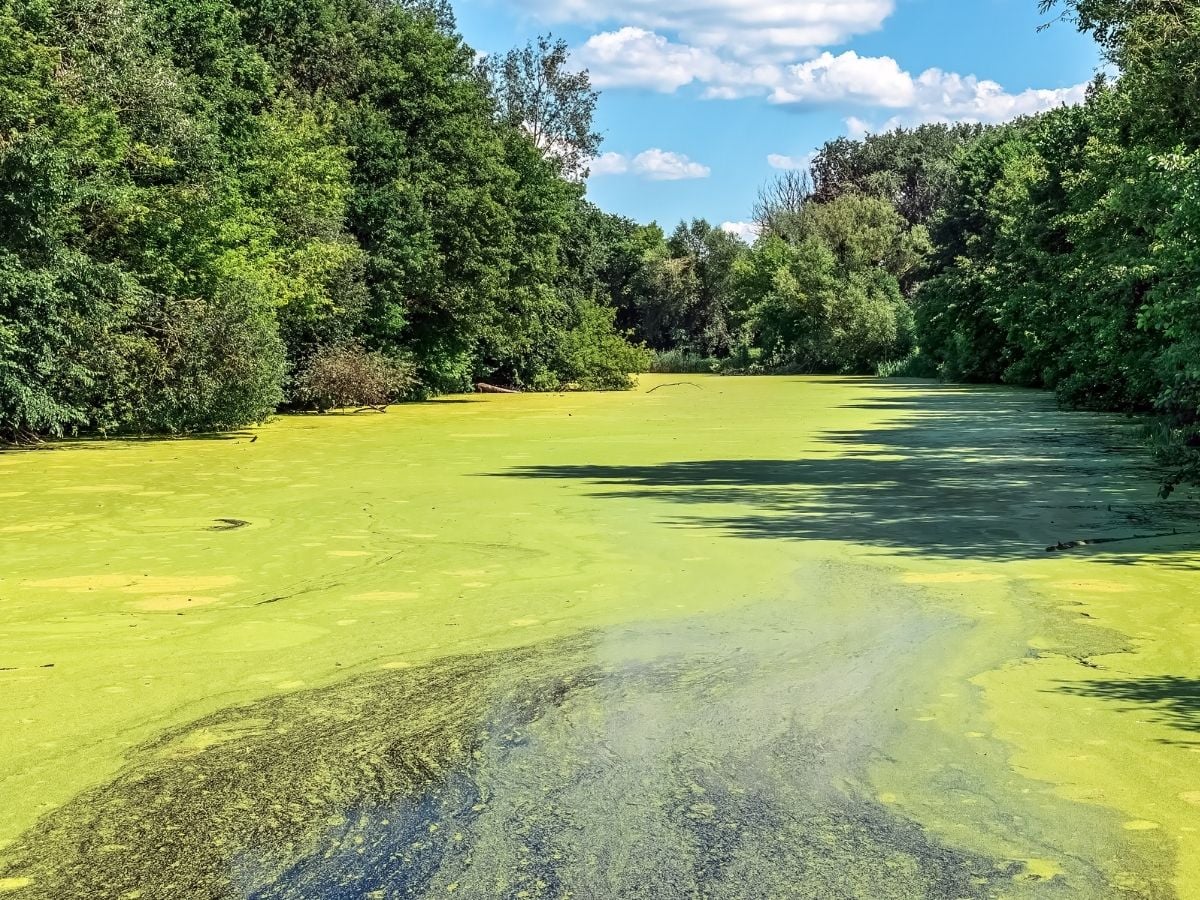
Every summer, as lakes and ponds warm up, you’ll start

Even when water looks perfectly clear and clean to the naked eye, there can be invisible contaminants lurking within it. While many minerals in water are harmless—and some can even be beneficial for your health—others are extremely dangerous to ingest. One contaminant that many people worry about in their drinking water is arsenic. If you’re concerned about arsenic in your drinking water, keep reading to learn what you need to know about this problem and to get more information on water testing.
Arsenic is a semimetallic element that naturally occurs in soil and some rocks, including rocks that are found in natural aquifers. As water passes through aquifers, it can pick up trace amounts of arsenic. We ingest tiny amounts of arsenic every day in our food, and for the most part, it passes through our systems without any serious impact. However, it can be much more concentrated in drinking water than it is in most foods, and ingesting too much can have serious health consequences.
Ingesting larger amounts of arsenic can lead to arsenic poisoning. Symptoms of arsenic poisoning include:
Even if you don’t experience arsenic poisoning, ingesting more than the “normal” amount of arsenic can have negative impacts on developing fetuses as well as on young children. It’s also a known carcinogen, impacts the vascular system, and increases your risk of diabetes.
Many people who aren’t confident in the quality of their drinking water rely on bottled water for hydration. However, studies have found that even bottled water can have large amounts of arsenic in them—in some cases, even higher amounts than tap water. The best option is to ensure that the drinking water in your own home is safe and well within the healthy limits for arsenic and any other trace contaminants.
You might be wondering what exactly is considered a “normal” amount of arsenic in your water. As mentioned, this is a naturally occurring chemical, and it’s not unusual to find trace amounts in food and water. Both the Environmental Protection Agency and Food and Drug Administration have the same threshold for what’s considered a safe amount of arsenic in your drinking water: 10 parts per billion (ppb). However, you should ideally shoot to have no more than 3 ppb in your drinking water. While it’s nearly impossible to avoid ingesting arsenic completely, less is always better.
If you want to ensure your drinking water at home is safe and free of arsenic, you’ll need to have it tested. Unfortunately, due to the way arsenic combines with other elements such as iron and hydrogen in your water, it’s a difficult contaminant to test for. The most accurate way to determine if there’s arsenic in a water sample is to reduce it to arsine gas instead.
This means that it’s best to have it tested in a water sample testing laboratory. Contact Environmental Testing and Research Laboratories, Inc., to have your water professionally tested for arsenic and other contaminants.

Every summer, as lakes and ponds warm up, you'll start seeing the headlines: a beach closed for a "harmful algal...

If you've seen headlines this summer about a fast-growing outbreak of diarrheal illness sweeping across the country, you're not imagining...

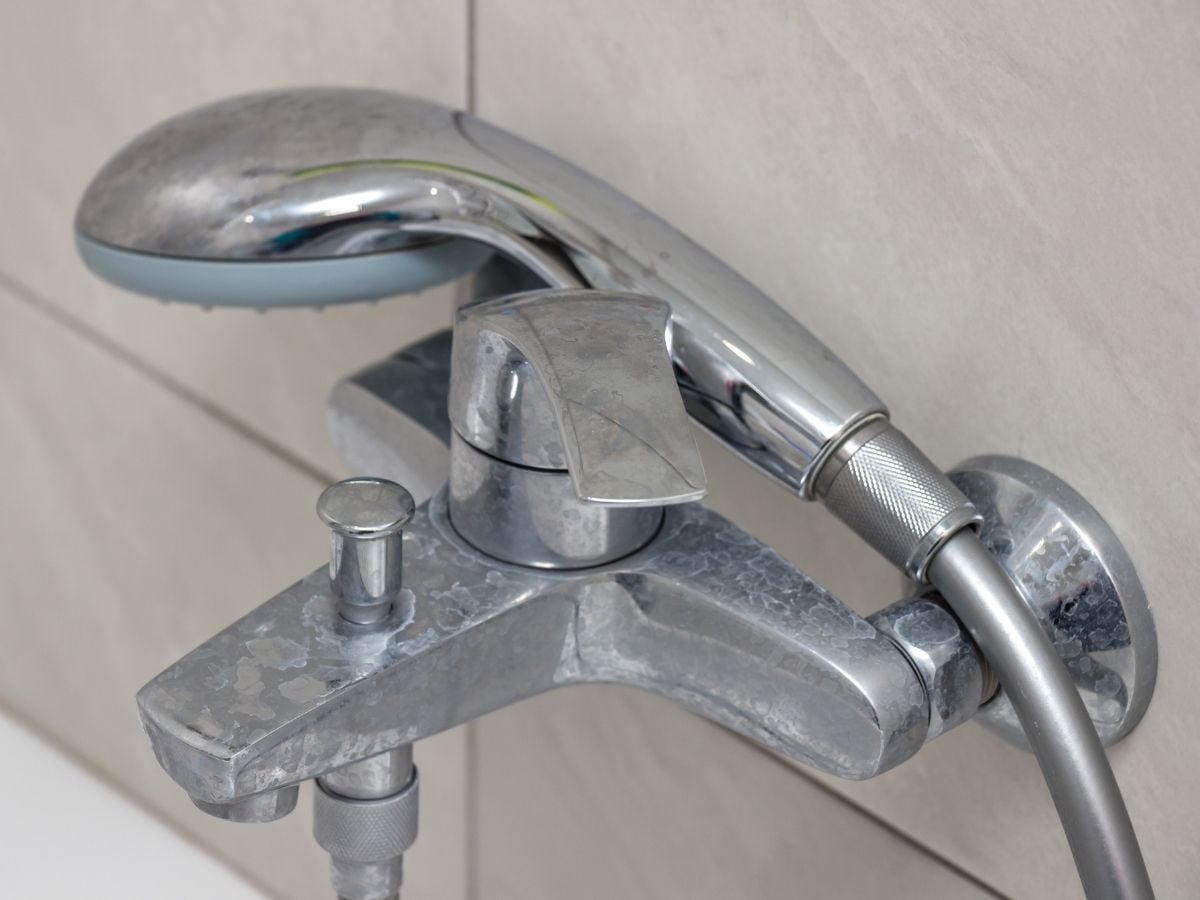
Run a glass through the dishwasher and pull it out cloudy. Wipe down the shower door and watch a chalky...