Algal Blooms and Cyanotoxins in Water Supplies
Every summer, as lakes and ponds warm up, you’ll start
Free Shipping on Orders of $100 or More

Well water comes straight from underground aquifers, so it reaches your glass without the chlorine, fluoride, and treatment additives that municipal systems use. For households on a private well, that often means fresher taste, naturally occurring minerals, and lower cost over time. The benefits of well water hold up for many homes, but they hinge on one thing: knowing exactly what is in your water through regular testing.
Well water offers several advantages that municipal supplies often cannot match. The points below cover what households gain when their well is clean and properly maintained:
Municipal water is treated with chlorine or chloramine to kill bacteria, and many systems add fluoride. Water drawn from a private well skips that step, so it typically reaches your tap free of those additives. Many people notice the difference right away in how the water smells and tastes, since chlorine is a common source of the faint pool-like odor in city water.
As groundwater moves through rock and soil, it picks up minerals such as calcium and magnesium. These add to your daily mineral intake and give water a distinctive flavor that purified or distilled water lacks. The exact mix depends on the geology where you live, which is one reason two wells in different areas can taste noticeably different.
People who switch to well water often describe it as crisper and cleaner. Pure water on its own has no flavor, so the taste comes from those trace minerals along with the absence of treatment chemicals. A well that tests clean tends to deliver water that needs no filtering to taste good.
Owning a well removes the monthly water bill that comes with municipal service. After the upfront cost of drilling and the pump, your main ongoing expenses are electricity to run the pump, periodic maintenance, and testing. For many rural households, that adds up to meaningful savings compared with paying a utility every month.
A clean well gives you a steady source of drinking water at home, which cuts the need for bottled water. That helps with taste and cost, and it also avoids a hidden downside of plastic bottles: bottles left in heat can leach trace chemicals into the water inside them. Drawing from your own tap and storing water in glass keeps that exposure out of the picture.
The benefits of drinking well water start with hydration and a small mineral boost, but they hold only when the water is clean. Tested well water hydrates the same as any safe drinking water and can add useful amounts of calcium and magnesium to your diet. The health value depends entirely on what your specific well contains, which is why testing matters more here than with regulated municipal water.
One detail often gets flipped around: well water is not automatically low in sodium. Some wells, especially those drawing soft water from deep aquifers or sitting near road-salt runoff or the coast, run higher in sodium than city water. For most people that causes no problem, but anyone on a sodium-restricted diet should have their water tested before assuming it helps.
The main trade-off with a private well is responsibility: no agency tests or treats your water for you, so the work falls to you. The drawbacks below are manageable, and they are easier to handle when you plan for them before relying on a well.
Private wells are not covered by the Safe Drinking Water Act, so no one monitors your water unless you arrange testing through a drinking water testing lab. Public health officials recommend testing at least once a year for bacteria and nitrate, and more often if you notice a change in taste, color, or smell.
Groundwater can carry naturally occurring contaminants such as radon, arsenic, and nitrate, along with bacteria and chemicals from nearby agriculture or septic systems. The CDC has reported that about one in five sampled private wells contained a contaminant at a level that could affect health. Most of these are invisible and tasteless, which is what makes routine testing the only reliable way to catch them.
A well relies on an electric pump, so an outage can leave you without running water until power returns or a backup kicks in. Keeping some stored water on hand and considering a generator covers those gaps.
The benefits of well water are only as good as the water itself, so the one step that protects all of them is testing. Environmental Testing and Research Laboratories analyzes your sample in our own in-house lab, which means your water is handled directly by the people reading the results rather than passed to a third party. We also cover free two-way shipping, so sending your sample and receiving your kit costs you nothing extra. Reach out to ETR Labs to test your well water and see exactly what you are drinking.
Every summer, as lakes and ponds warm up, you’ll start
If you’ve seen headlines this summer about a fast-growing outbreak
Run a glass through the dishwasher and pull it out
Related Post.
Algal Blooms and Cyanotoxins in Water Supplies
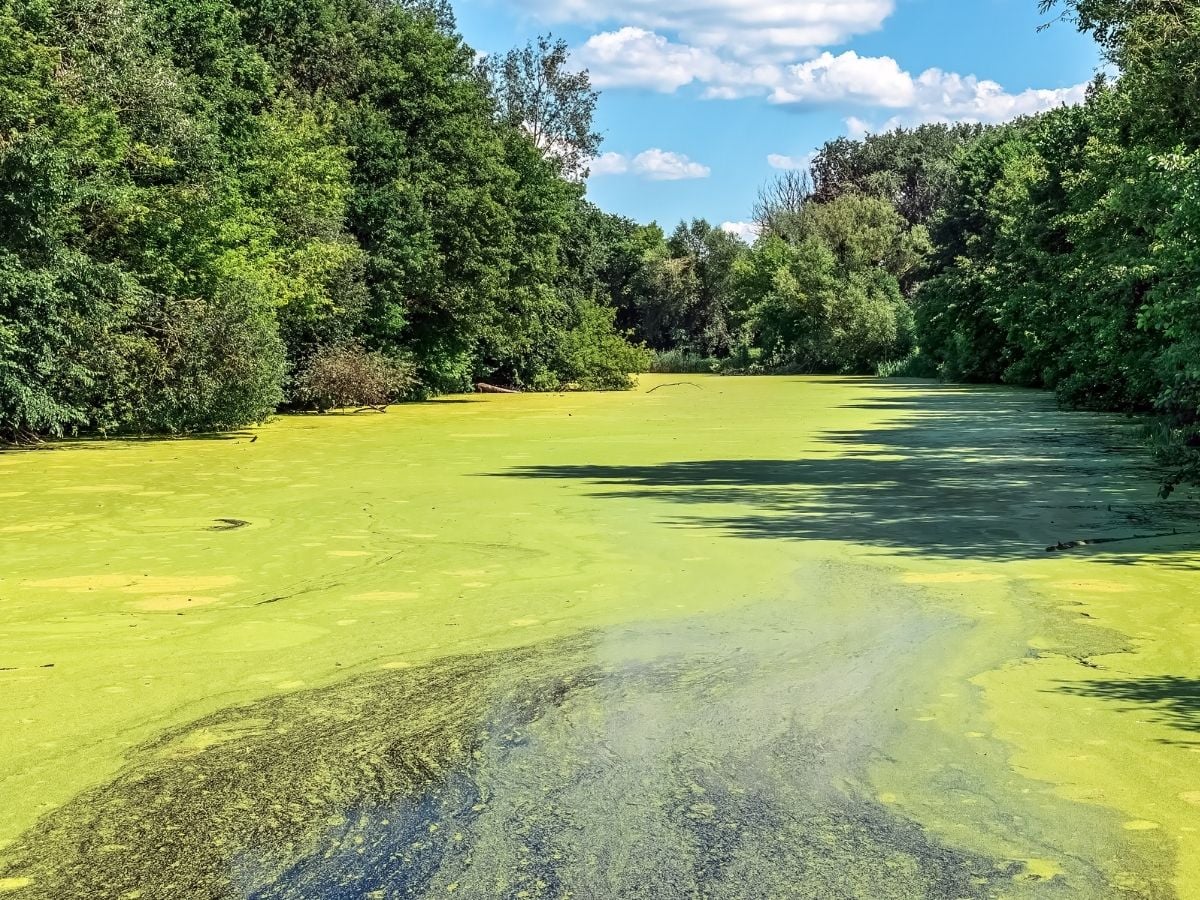
Every summer, as lakes and ponds warm up, you’ll start seeing the headlines: a beach
The 2026 Cyclospora Outbreak: What It Actually Means for Your Water
If you’ve seen headlines this summer about a fast-growing outbreak of diarrheal illness sweeping across
White Residue on Fixtures and Dishes: What It Means
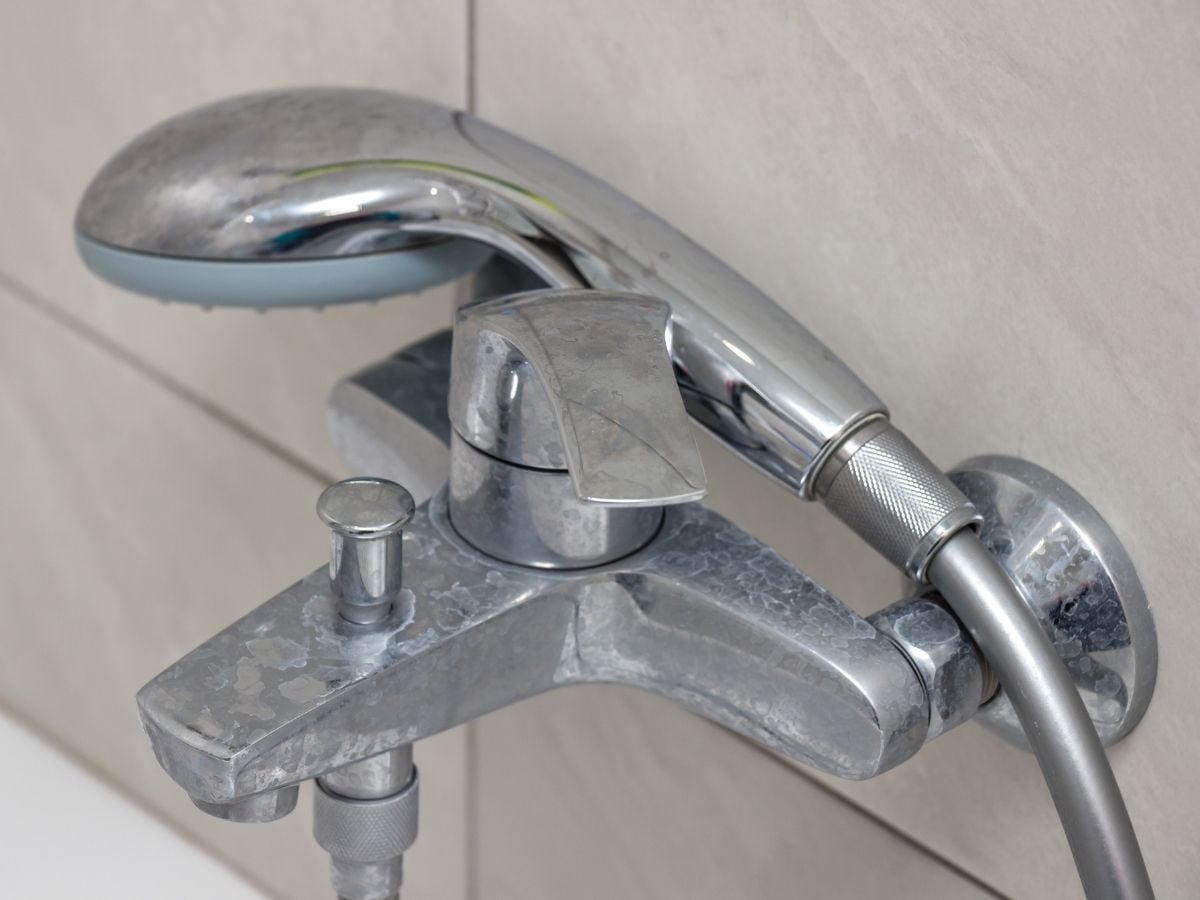
Run a glass through the dishwasher and pull it out cloudy. Wipe down the shower
Water Testing Labs Near Me: How to Choose the Right Lab
A search for water testing near you usually turns up dozens of companies claiming to
Whole-House Reverse Osmosis System vs. Under-Sink RO
From the Lab by ETR Laboratories Reverse osmosis has been a common option for treating
Tannins in Well Water: Causes, Signs, and Treatment
Most people would blame the presence of iron when they see their water take on a yellow or tea-colored tint. Maybe your white laundry is slowly turning beige, or you have noticed an earthy smell coming from the tap.
What Are Emerging Contaminants? Types, Sources, and Risks – 2026
It’s almost natural to pinpoint lead or bacteria as typical water contaminants since they have been part of the public conversation for decades, but scientists have now begun paying attention to a different group of substances called emerging contaminants.
Legionella in Water: Home Plumbing and Water Heater Risks
It’s easy to assume nothing is wrong inside your pipes if your water looks clear and tastes normal. Most people overlook the effects of Legionella in water for exactly that reason. It’s a kind of bacteria that can build up inside home plumbing
The World Health Organization Just Updated Its Drinking Water Guidelines. Here’s What It Means.
On June 18, 2026, the World Health Organization released an updated edition of its Guidelines for Drinking Water Quality, the most authoritative global reference document on what safe drinking water actually means and how to achieve it
What a Polluted San Diego Bay Tells Us About the Water Closest to You
Mission Bay in San Diego draws an estimated 15 million visitors a year. It’s one of the most popular recreational water destinations in the country. And according to a report released in June 2026, it has a serious water quality problem that isn’t going away when it stops raining.
Last Friday night, during a torrential rainstorm, a 42-inch sewer force main near Haverhill’s main pumping station failed. The pipe, which carries wastewater from the city’s main pump station to its treatment plant, dates back to the 1970s.
On June 5, 2026, residents in nearly a dozen neighborhoods in Northwest Washington DC started noticing something wrong with their water pressure. DC Water received calls from customers experiencing low to no pressure at multiple locations at the same time the Fort Reno Pumping Station was experiencing fluctuating power issues, with a full loss of power hitting at around 12:30 p.m.
Related Post.

Every summer, as lakes and ponds warm up, you'll start seeing the headlines: a beach closed for a "harmful algal...

If you've seen headlines this summer about a fast-growing outbreak of diarrheal illness sweeping across the country, you're not imagining...

Run a glass through the dishwasher and pull it out cloudy. Wipe down the shower door and watch a chalky...