Free Shipping on Orders of $100 or More
$35.00
A water conductivity test measures how easily your water carries an electrical current, which rises as more minerals and salts dissolve in it. The result works as a quick screen for total dissolved solids, or TDS. People use it to spot road salt or hard water, track a well over time, or confirm that a treatment system is doing its job.
Conductivity tells you how much is dissolved, not what it is. A high number is a signal to find out, and hardness, sodium and chloride tests usually answer that. If you would like those answers in one step, our Premium Water Test includes conductivity along with the individual minerals, metals and bacteria. Running a water conductivity test once a year gives you a baseline, so later changes stand out.
Conductivity is a measure of how well water carries an electrical current. Pure water barely conducts at all, so the reading climbs as calcium, magnesium, sodium, chloride, sulfate and other dissolved ions build up.
Here are the usual sources of those dissolved minerals and salts:
Water with a heavy dissolved load may taste salty or bitter and leave spots and scale. The EPA lists total dissolved solids with its other secondary drinking water standards, which focus on taste and appearance.
This test is a smart first screen if you want one number that describes how much is dissolved in your water. A high result can point to hard water, road salt, industrial runoff or surface water reaching a well.
It is also an easy way to keep an eye on a well from year to year, since the reading is consistent and changes stand out.
If you own a treatment system, testing before and after it shows whether it is still removing what it should. Keep in mind that conductivity cannot detect bacteria, lead or most chemicals on its own.
Orders under $100 ship for an $8 flat rate, and orders of $100 or more ship free, which makes pairing this with a second test an easy way to save. Every kit includes a prepaid return label. Conductivity is stable in a sealed bottle, so there is no rush window.
We analyze your sample in our accredited lab, using established testing methods and quality controls.
We have tested water since 1995.
Every test includes a free consultation with one of our water experts. We go over your results with you, explain what the numbers mean for your home, and help you decide on the appropriate next step, including any filtration approach.

Ships free to your door
Takes under 5 minutes
Free return shipping
Expert Consultation

Ships free to your door

Takes under 5 minutes

Free return shipping

Expert Consultation
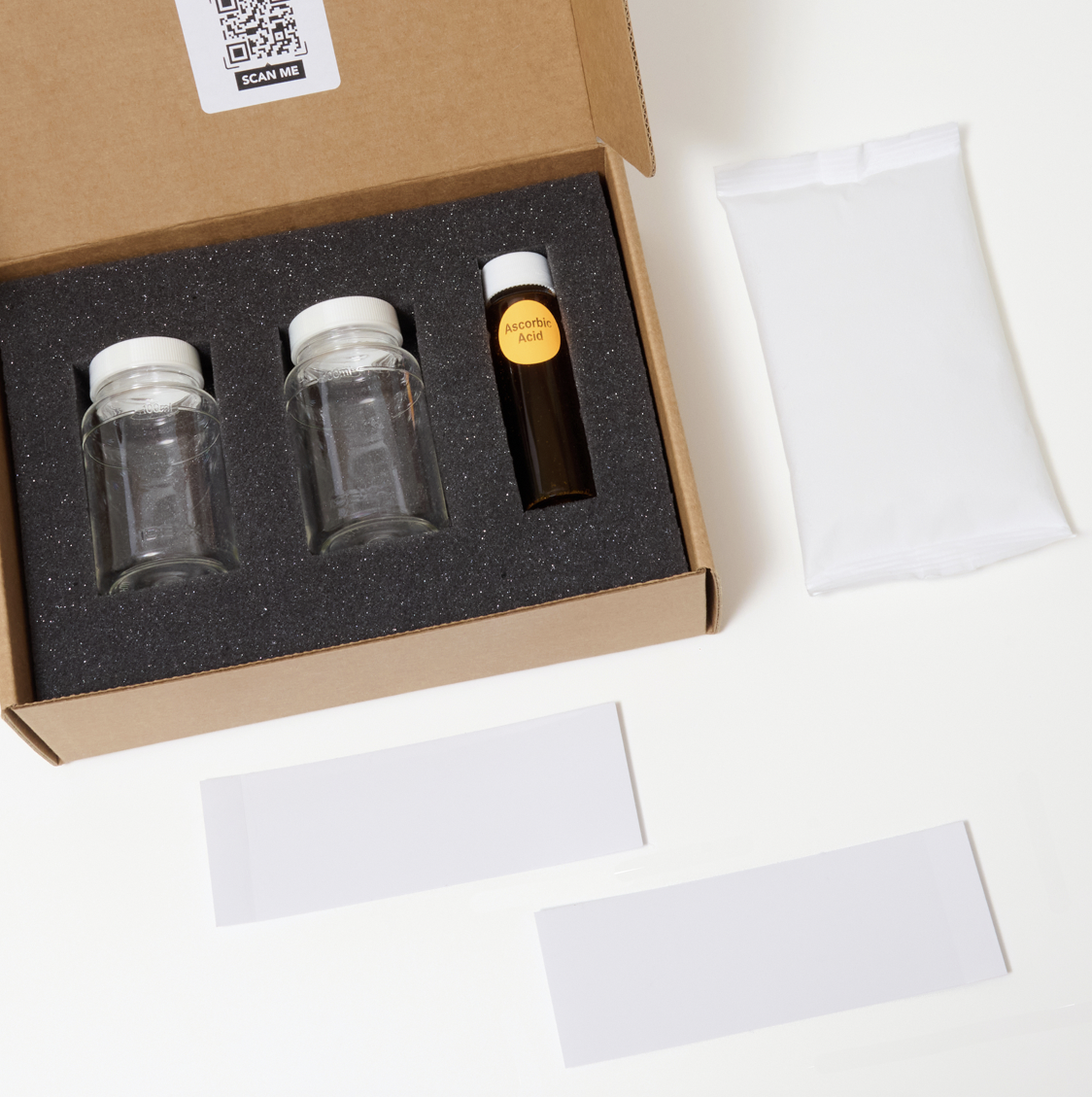
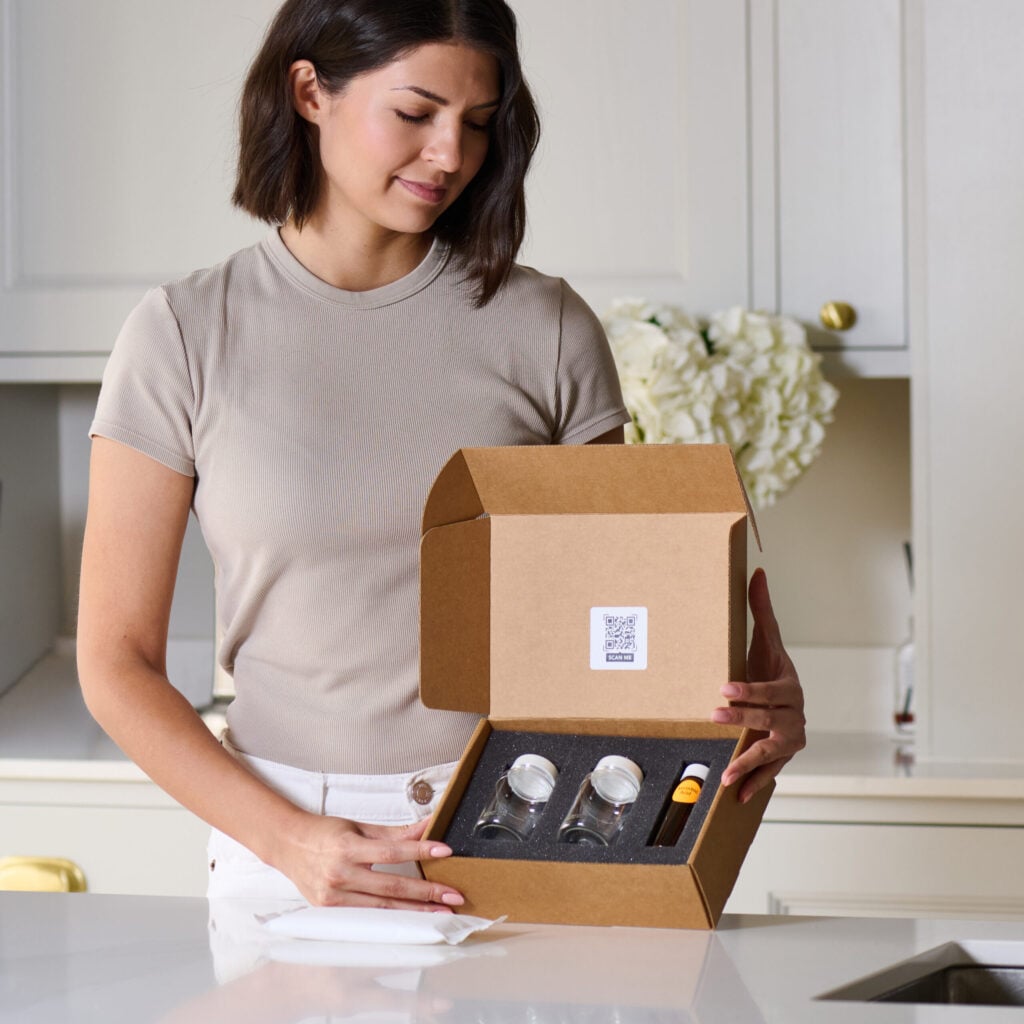
Every test comes with step-by-step instructions on how to prepare your water source, collect your water sample, and prepare your sample for return shipment to our lab.
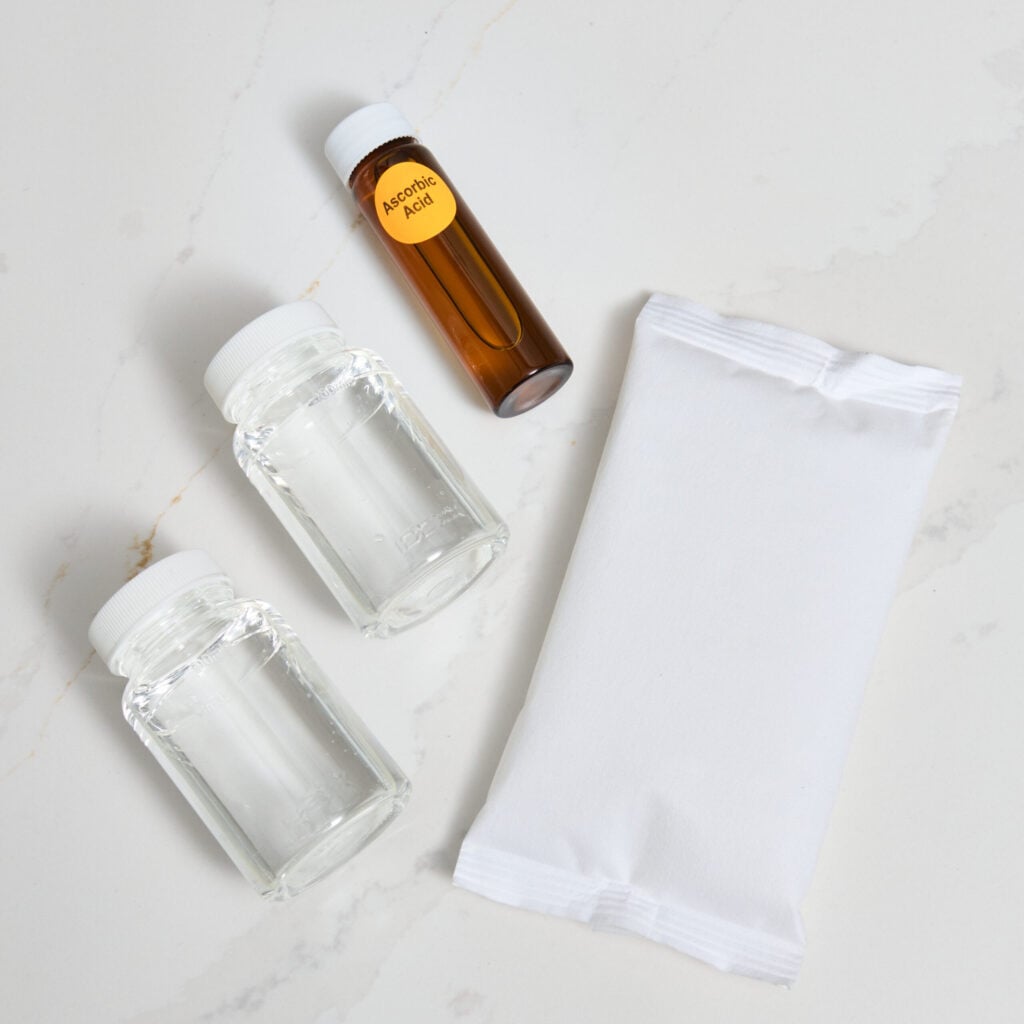
The appropriate sample containers are provided with sterility and sample volume requirements taken into consideration.
A short form to fill out with basic information about your water source. This helps our lab technicians process your results accurately.
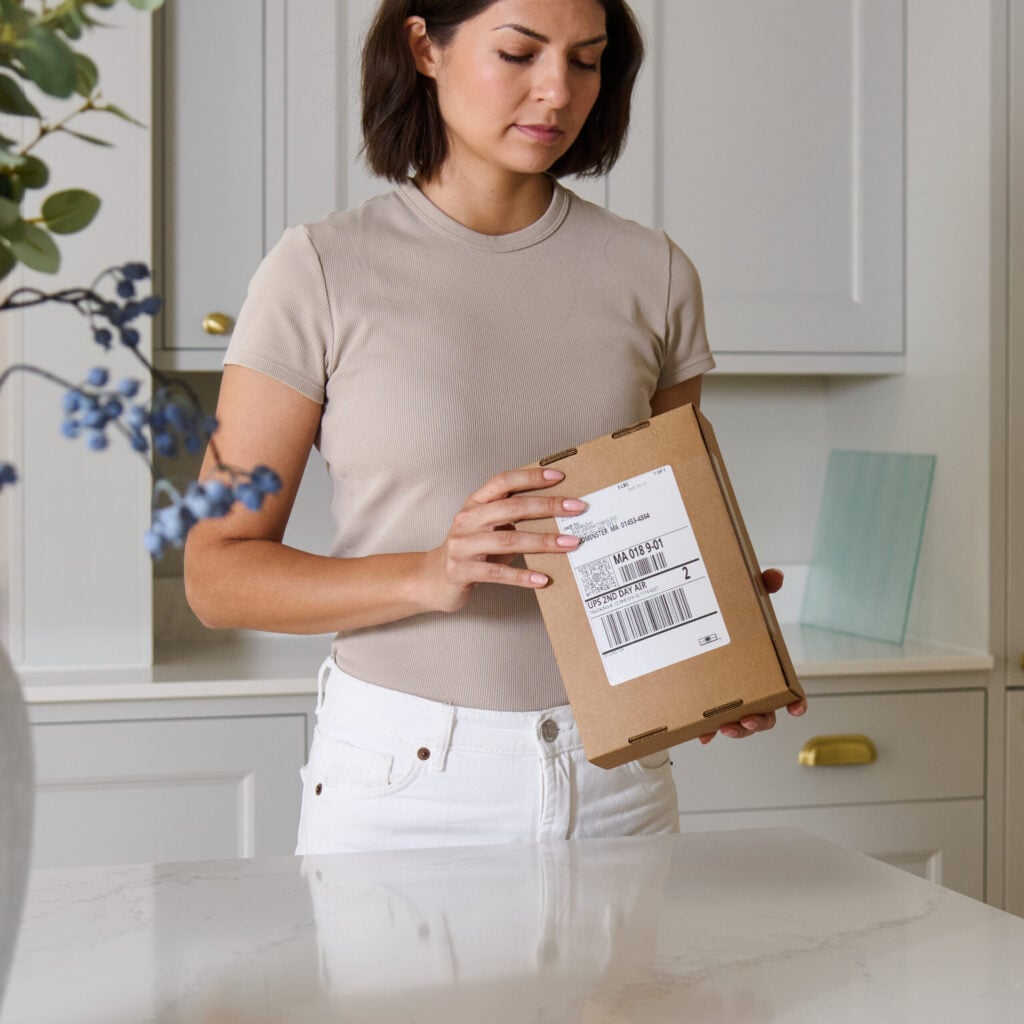
A pre-paid return shipping label is included — just drop the sealed package in any mailbox or hand it to your mail carrier. No extra cost.
“The test was simple—collect a water sample from a faucet in the home. We sent the test to the lab and received a water quality analysis within a few days. The test included analysis of the water sample for the presence of: coliform bacteria, E. coli, iron, lead, pH, turbidity, and nitrates/nitrites.”
Taylor L.
“Incredible lab, they really care about their customers. As someone who doesn’t know a whole lot about water quality, they took their time to help me understand everything about my water quality situation.”
Brad R.
“I’ve used ETR for several tests, both water and air. The test kits are easy to understand and the reports are very comprehensive. But what really makes them stand out is their quality of service. There is a lot of terminology in these reports that I don’t understand, but their staff is very knowledgeable and always available to assist. They really take their time to review the results with you on the phone, and answer any questions you may have.”
John T.
4.8
Average Rating
across all platforms
500K+
Water Tests Sold
nationwide since 1995
342+
Reviews on Angi
verified homeowner reviews
We run every test inside our own lab in Leominster, Massachusetts. Your results come straight from us, not a subcontractor. That keeps our pricing fair and our quality consistent across every kit we send out.
Most labs stop at handing you a report. We do not. Every result comes with a free call to one of our water quality experts, so you understand what your numbers mean and what to do next.
ETR Laboratories has run water tests for over 30 years. We hold membership in the national Water Quality Association and the Massachusetts Ground Water Association.
Our reviews reflect the work we do. We hold a 4.8 out of 5 rating on Google, a 4.8 out of 5 rating on Angi from 342 reviews, and five-star ratings on Trustpilot.

Our Premium Water Test screens your water for 113 substances in one round, including bacteria, radon, heavy metals, and industrial chemicals, providing homeowners and landlords with a thorough assessment for peace of mind. We have run…
Not by itself. A high TDS or conductivity reading means a lot of minerals and salts are dissolved, and the EPA treats that as a taste and appearance issue. The health question depends on what makes up the total. Sodium, nitrate or certain metals could be part of it, so a high reading is worth following with tests for the specific substances.
Above 500 mg/L is the EPA's secondary guideline, and it is based on taste and appearance rather than health. Water above roughly 1,000 mg/L often tastes noticeably salty and may need treatment. Many people find water between about 50 and 300 mg/L tastes best. Lower is not always better, since very low TDS water can taste flat and may be more corrosive to plumbing.
Not necessarily. A low TDS or conductivity reading means few minerals and salts are dissolved, but it cannot detect bacteria, lead, arsenic, nitrate or most chemicals, which can be harmful at very small amounts. Conductivity is a screening number. If safety is your main question, a panel that tests specific contaminants will answer it more directly. Pairing the two is the clearest way to know both how much is dissolved and whether it is safe.
Not always. TDS counts every dissolved substance, including sodium, chloride and sulfate, while hardness counts only calcium and magnesium. Water at 500 mg/L TDS could be very hard or fairly soft, depending on what makes up that total. A hardness test separates the two, and it is the better number when you are weighing treatment for scale.
No. Boiling drives off water as steam and leaves the dissolved minerals behind, so the TDS of the remaining water goes up slightly. Boiling can kill bacteria, but it does not remove salts or metals. A water conductivity test before and after any treatment system is the more reliable way to see how much a system removes.
It usually means the mix of dissolved substances in your well has shifted. Road salt runoff, surface water getting in, or a nearby spill can all push the number up, while heavy rain can sometimes dilute it. Seasonal swings are normal in some wells, especially after spring snowmelt. A large jump from your usual reading is a good reason to run a broader panel.
It can, depending on what is dissolved. High conductivity from calcium and magnesium tends to leave scale in water heaters, kettles and dishwashers. High conductivity from chloride and sodium, often tied to road salt, can make water more corrosive to metal pipes and fixtures. The number alone cannot tell you which of these is behind it, so a hardness or chloride test is usually the next step to learn what your water is carrying.
It can. Snowmelt and heavy rain can dilute a shallow well and lower the reading, while dry spells may concentrate minerals and push it higher. Road salt spread in winter often shows up in spring and later as runoff soaks into the ground. Testing at about the same time each year makes your results easier to compare, so a lasting change stands out from a normal seasonal swing.
No shared results. Our laboratory holds our clients privacy to the highest regard, your results and information will never be shared. Be aware that state certified laboratories may be required to report your results to various government agencies.