Free Shipping on Orders of $100 or More
$35.00
Our Chloride Water Test measures how much chloride in water is reaching your tap. Chloride is the part of salt that gives water a salty taste and makes it more corrosive to metal plumbing. Well owners near salted roads, households with softeners, and anyone on a low-sodium diet often test to find the source.
Salt does not break down once it is in water, so chloride in a shallow well can creep up year after year. A well that tested fine a decade ago may read very differently today, especially after several heavy winters. Coastal wells may also see levels rise during droughts, when less fresh water pushes back against seawater.
Chloride is the part of salt that gives water a salty taste, the same ion found in table salt. It dissolves easily and stays in water once it gets there.
Here are the common sources:
Chloride usually travels with sodium, and it makes water more corrosive to pipes. The EPA secondary standards page explains how nuisance limits like this one work, and our Sodium Water Test helps show whether road salt or a softener is behind it.
Consider this test if your water has started to taste salty or brackish, especially if you live near a road that gets salted every winter. Road salt is mostly sodium chloride, and it can seep into shallow wells over time.
It also fits households with a water softener that may be set wrong, and anyone on a low-sodium diet who wants to know what their tap adds.
Signs of corrosion are another reason to test. Pitting on fixtures, pinhole leaks, or a high copper or lead result can all have chloride as a contributing cause, and a single number helps you decide what to look at next.
Your order ships free once it reaches $100. Below that, shipping is an $8 flat rate, and a prepaid return label comes in every kit. The sample does not need overnight shipping, but please collect and ship as soon as possible after sampling.
We analyze your sample in our accredited lab, using established testing methods and quality controls.
We have tested water since 1995.
Every test includes a free consultation with one of our water experts. We go over your results with you, explain what the numbers mean for your home, and help you decide on the appropriate next step, including any filtration approach.

Ships free to your door
Takes under 5 minutes
Free return shipping
Expert Consultation

Ships free to your door

Takes under 5 minutes

Free return shipping

Expert Consultation
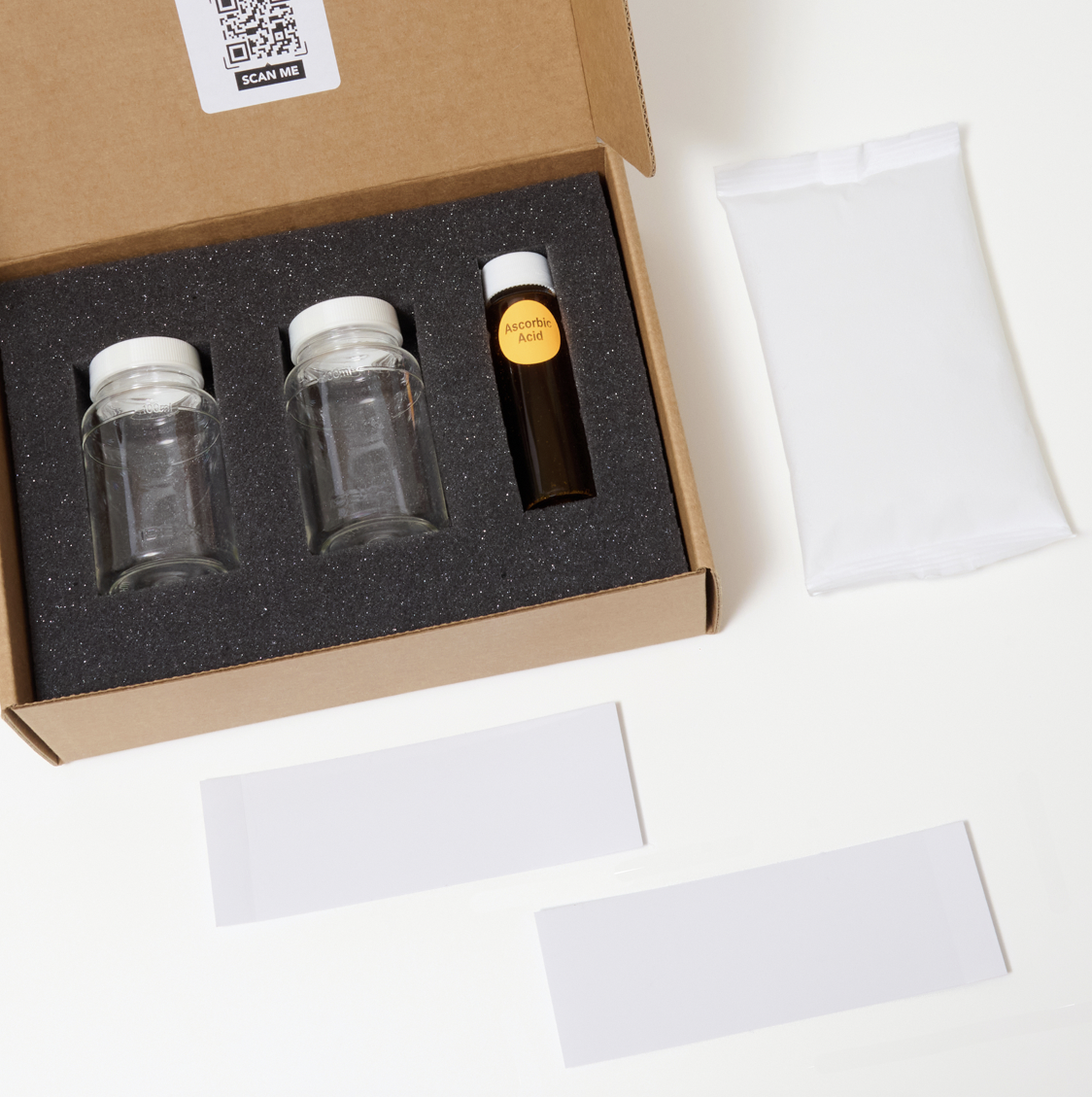
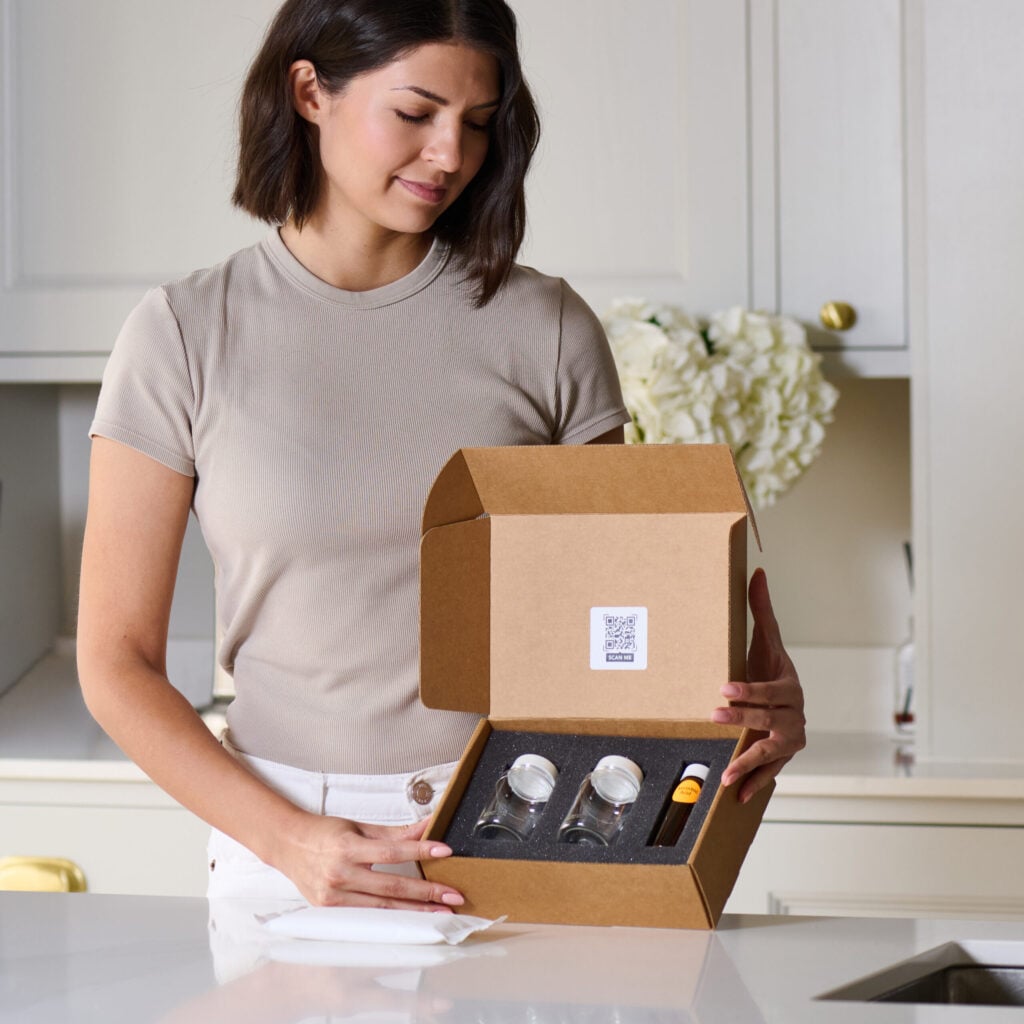
Every test comes with step-by-step instructions on how to prepare your water source, collect your water sample, and prepare your sample for return shipment to our lab.
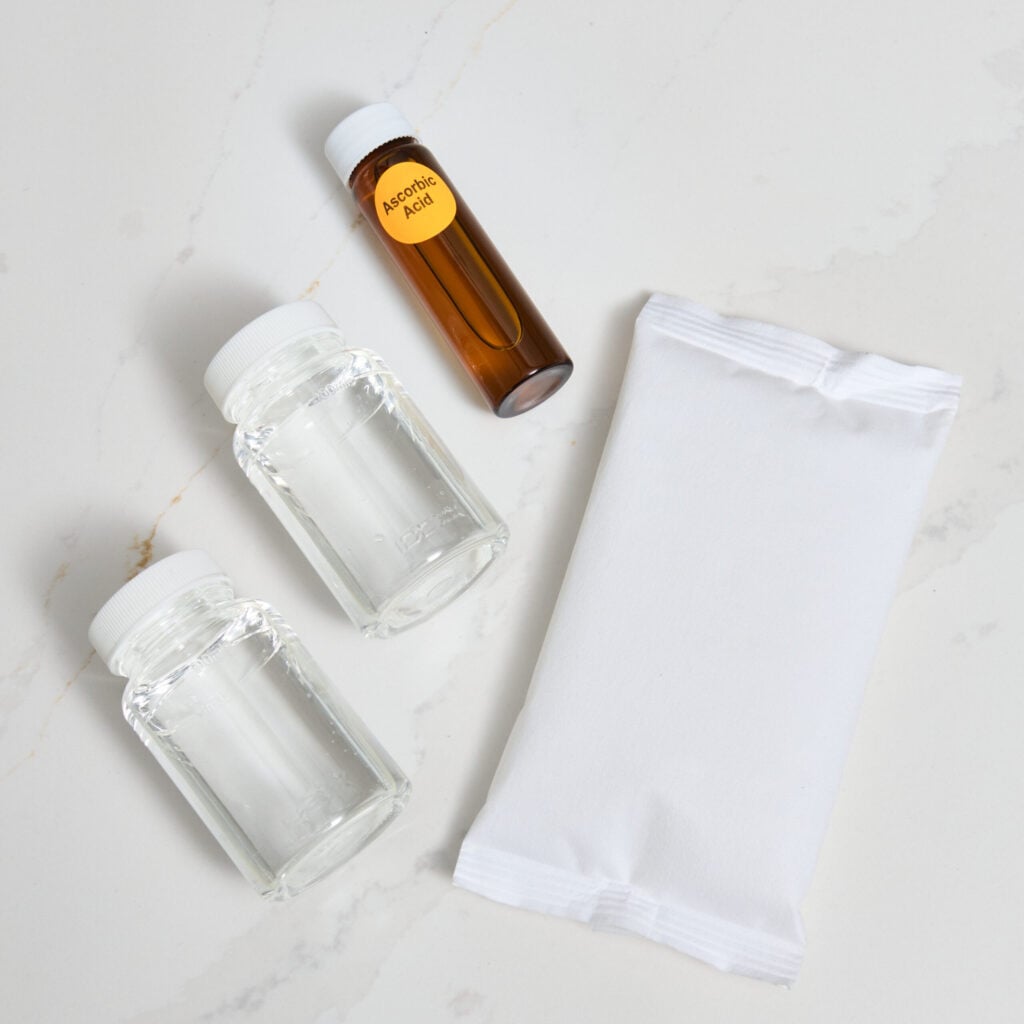
The appropriate sample containers are provided with sterility and sample volume requirements taken into consideration.
A short form to fill out with basic information about your water source. This helps our lab technicians process your results accurately.
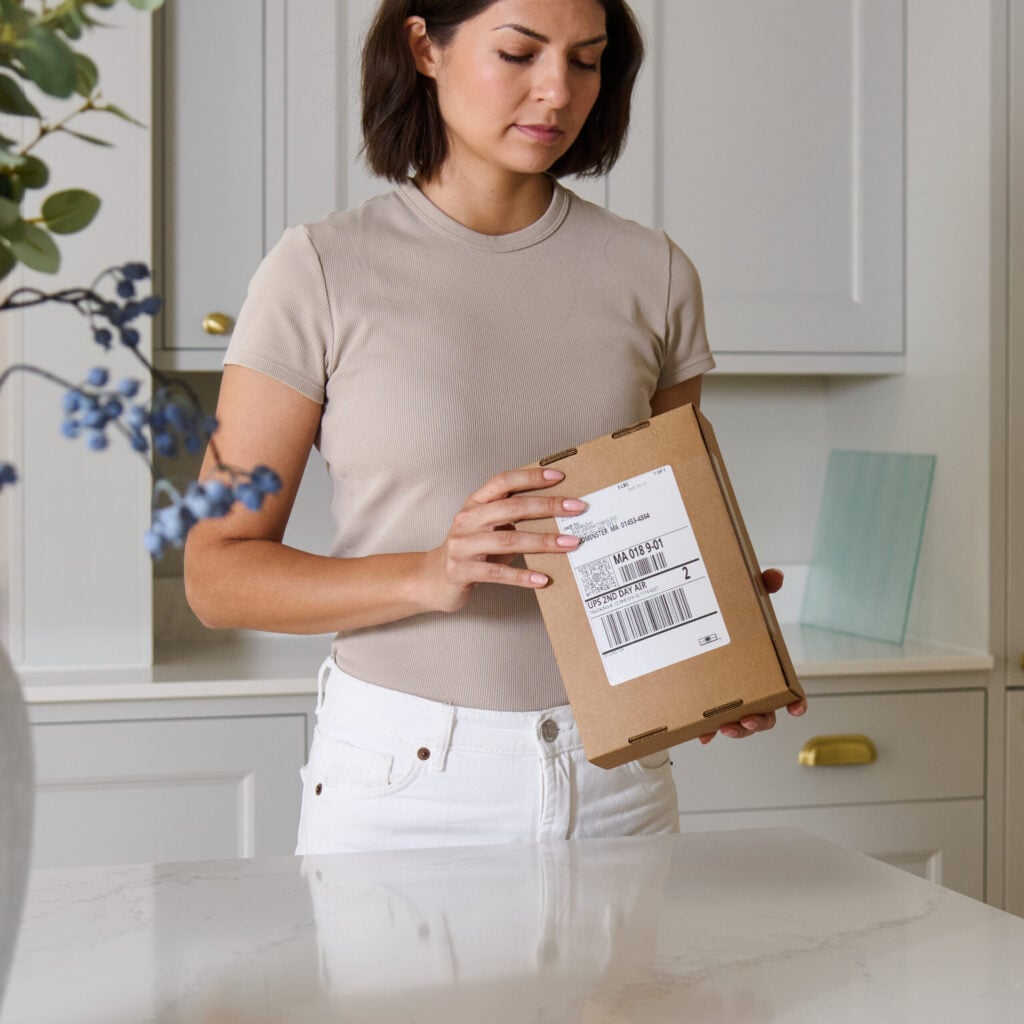
A pre-paid return shipping label is included — just drop the sealed package in any mailbox or hand it to your mail carrier. No extra cost.
“The test was simple—collect a water sample from a faucet in the home. We sent the test to the lab and received a water quality analysis within a few days. The test included analysis of the water sample for the presence of: coliform bacteria, E. coli, iron, lead, pH, turbidity, and nitrates/nitrites.”
Taylor L.
“Incredible lab, they really care about their customers. As someone who doesn’t know a whole lot about water quality, they took their time to help me understand everything about my water quality situation.”
Brad R.
“I’ve used ETR for several tests, both water and air. The test kits are easy to understand and the reports are very comprehensive. But what really makes them stand out is their quality of service. There is a lot of terminology in these reports that I don’t understand, but their staff is very knowledgeable and always available to assist. They really take their time to review the results with you on the phone, and answer any questions you may have.”
John T.
4.8
Average Rating
across all platforms
500K+
Water Tests Sold
nationwide since 1995
342+
Reviews on Angi
verified homeowner reviews
We run every test inside our own lab in Leominster, Massachusetts. Your results come straight from us, not a subcontractor. That keeps our pricing fair and our quality consistent across every kit we send out.
Most labs stop at handing you a report. We do not. Every result comes with a free call to one of our water quality experts, so you understand what your numbers mean and what to do next.
ETR Laboratories has run water tests for over 30 years. We hold membership in the national Water Quality Association and the Massachusetts Ground Water Association.
Our reviews reflect the work we do. We hold a 4.8 out of 5 rating on Google, a 4.8 out of 5 rating on Angi from 342 reviews, and five-star ratings on Trustpilot.

Our Premium Water Test screens your water for 113 substances in one round, including bacteria, radon, heavy metals, and industrial chemicals, providing homeowners and landlords with a thorough assessment for peace of mind. We have run…
For healthy adults, usually not. Chloride at typical levels passes out of the body through the kidneys and is mainly a taste and plumbing issue. The concern comes from what travels with it: sodium, which may affect people on a salt-restricted diet, and metals such as lead and copper that corrosive, salty water can pull from pipes.
The EPA secondary guideline is 250 mg/L, and many people start to notice a salty taste around that level. It is a taste and plumbing guideline rather than a health limit, so no enforceable federal number applies. Above it, salty water also tends to be harder on pipes and fixtures, which is why a high result is worth acting on.
Every year or two is a good habit if your well sits near a salted road, a salt pile, or the coast. Testing in late winter or early spring catches levels after the salting season, when they tend to run highest. Keeping results from the same time each year makes slow increases easy to spot. Test sooner if your water starts to taste salty or you notice new pitting on fixtures.
Fixing the source is often the first step. If road salt or a softener is behind it, moving a salt pile or resetting the softener may bring levels down without new equipment. Boiling and basic pitcher filters do not remove chloride. When treatment is needed, our free consultation helps you decide on the appropriate filtration approach for your number.
A properly working softener adds sodium to the water you drink, not much chloride. The brine it flushes out during regeneration is salty, though, and if that brine drains near your well or the unit is set wrong, chloride can reach your supply. A sample taken before and after the softener can show which side the chloride is on.
No. Chlorine is a disinfectant that utilities add to kill germs, and it can leave a pool-like smell. Chloride is a dissolved mineral, the same ion found in table salt, and it gives water a salty taste instead. A chloride test does not measure disinfectant levels, so if you want that number, our Chlorine Water Test is the better choice.
It can be. Utilities that draw from rivers, lakes, or reservoirs near salted roads have seen chloride rise in some northern regions. Because chloride falls under a secondary guideline, city water is not required to stay below 250 mg/L. Higher chloride can make water more corrosive, which may raise the risk of lead and copper leaching in older homes. Your utility's annual water quality report may list it, and a tap test gives you your own number.
Often, yes. Road salt and seawater add both sodium and chloride, while a water softener adds mainly sodium. Seeing the two numbers together can help point to the source. High readings for both suggest salt is reaching your well, and high sodium with normal chloride leans toward the softener. Sodium also counts toward your daily salt intake, which is useful to know if anyone in the home follows a low-sodium diet.
No shared results. Our laboratory holds our clients privacy to the highest regard, your results and information will never be shared. Be aware that state certified laboratories may be required to report your results to various government agencies.