
Free Shipping on Orders of $100 or More

Title V Scan

$55.00

This Title V water test checks a private well for the three signs that a septic system may be reaching it: coliform bacteria, nitrate and ammonia. It takes its name from Title 5, the Massachusetts septic code. It suits homeowners with a well and septic system on the same lot, buyers of those properties, and anyone whose septic system was recently repaired or replaced.

Some towns and boards of health ask for water results as part of a sale or permit, and their rules on accepted labs and collection methods vary, so please confirm those before ordering. For a wider look at the well, our Premium Water Test covers far more contaminants.

What is a Title V water test?

Septic waste reaches a well when a system is failing, overloaded, or sited too close to the wellhead, letting untreated wastewater travel farther than the soil can filter. Bacteria, nitrate and ammonia are the clearest fingerprints it leaves behind.

Here are the common ways that happens:

  • A failing or overloaded leach field
  • Too little distance between septic and well
  • Sandy or fractured ground that drains fast
  • A shallow well or cracked well cap

Nitrate is one of the most important indicators of whether a drilled well is working properly, because it signals surface water getting in, which raises the risk of bacteria. The EPA's septic systems guide explains why setback distances exist.

Is this test right for me?

This Title V water test is a good fit if your private well and septic system share the same lot, or if a neighbor's system sits uphill from your well.

It also helps after a septic repair, replacement or failed inspection, when you want to know whether the well was affected. Buyers of homes with both a well and septic system often add it during inspection for peace of mind.

If a town or board of health asked you for a water test, check their rules first, including lab certification and who collects the sample.

Shipping info

Orders under $100 ship for an $8 flat rate, and orders of $100 or more ship free. A prepaid return label is included with every kit.

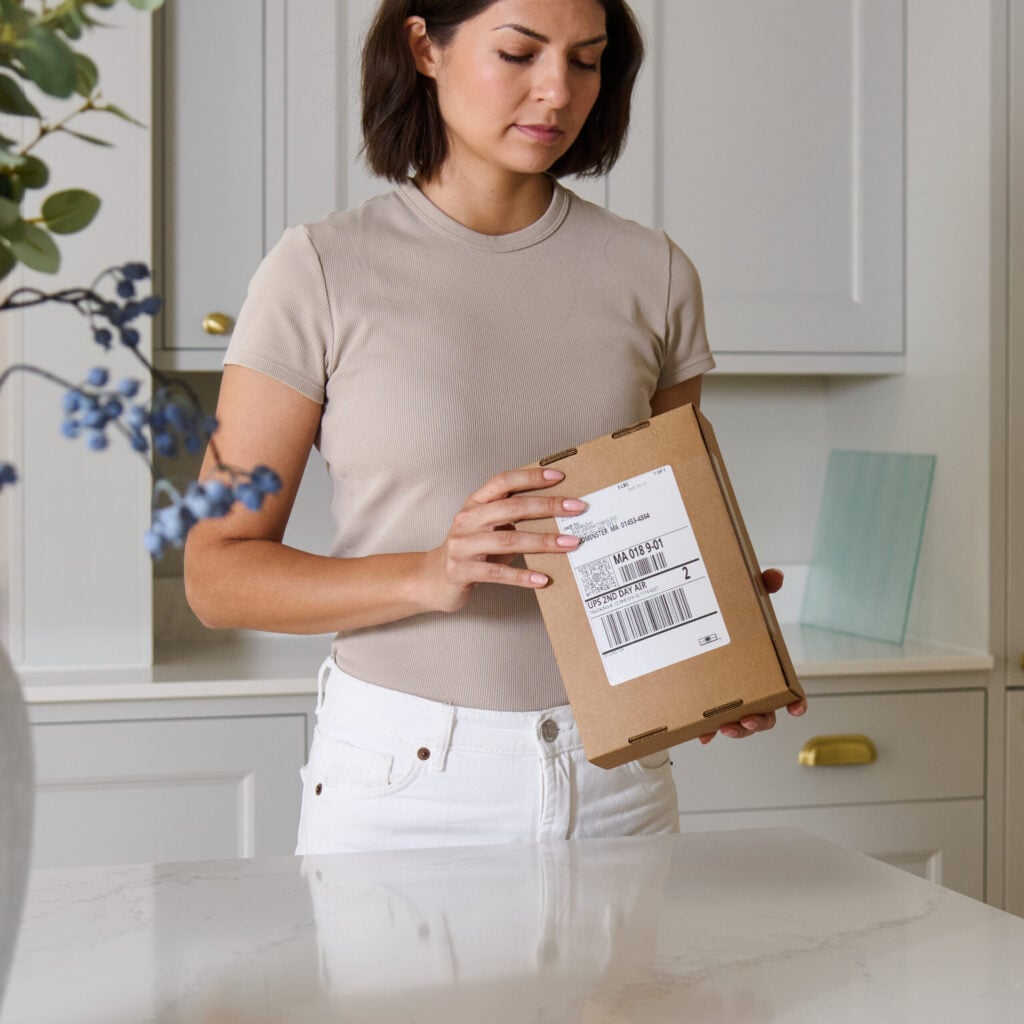
The bacteria portion must reach our lab within about 30 hours of collection, so sample and ship it the same day.

Tested in Our Accredited Lab

We analyze your sample in our accredited lab, using established testing methods and quality controls.

We have tested water since 1995.

Free Expert Consultation

Every test includes a free consultation with one of our water experts. We go over your results with you, explain what the numbers mean for your home, and help you decide on the appropriate next step, including any filtration approach.

What does this test check for?
  • Coliform bacteria. EPA standard: none detected.
  • Nitrate. EPA limit: 10 mg/L as nitrogen.
  • Ammonia. No EPA health limit; elevated levels can signal septic or agricultural waste.

Order Kit

Ships free to your door
Collect Sample

Takes under 5 minutes

Ship to Lab

Free return shipping

Get Results

Expert Consultation

Order Kit

Ships free to your door

Collect Sample

Takes under 5 minutes

Ship to Lab

Free return shipping

Get Result

Expert Consultation

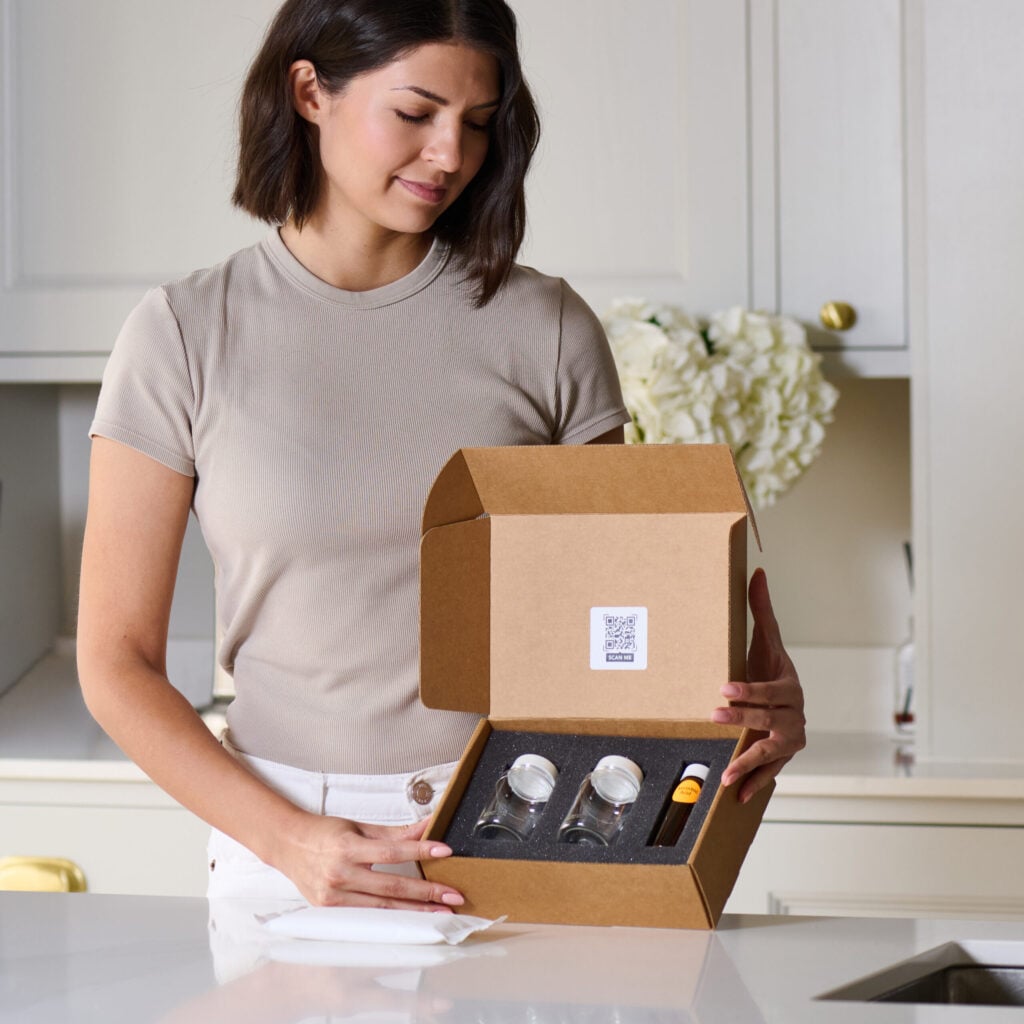
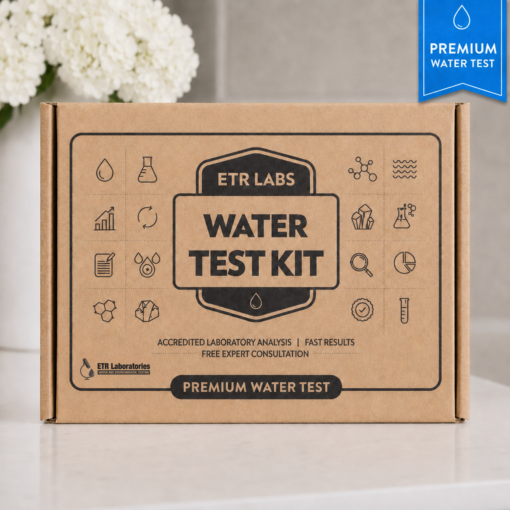
What’s Inside Your Testing Kit?

Sampling Instructions

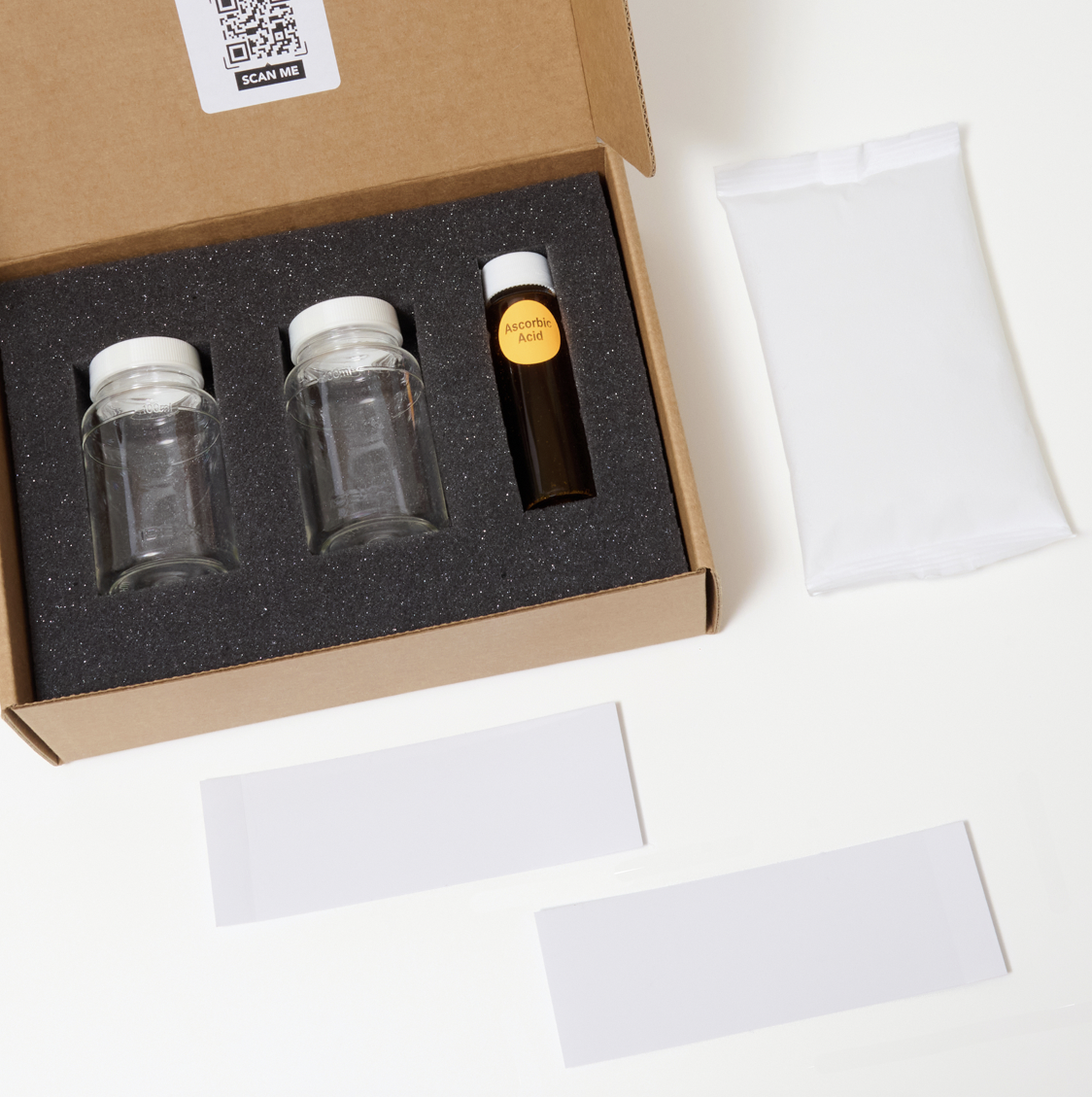
Every test comes with step-by-step instructions on how to prepare your water source, collect your water sample, and prepare your sample for return shipment to our lab.

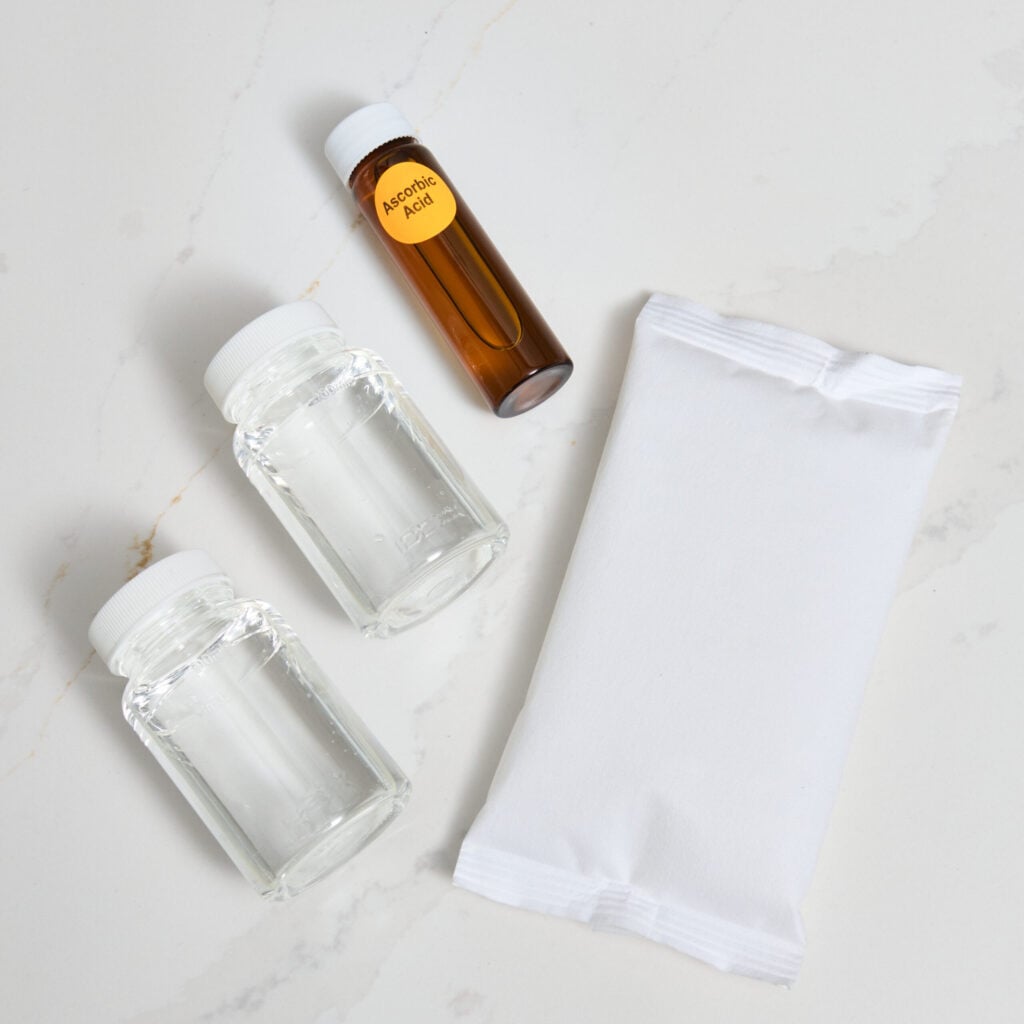
Collection Bottles

The appropriate sample containers are provided with sterility and sample volume requirements taken into consideration.

Sample Information Form

A short form to fill out with basic information about your water source. This helps our lab technicians process your results accurately.

Prepaid Shipping Label

A pre-paid return shipping label is included — just drop the sealed package in any mailbox or hand it to your mail carrier. No extra cost.

Our Reviews

★★★★★
ANGI

“The test was simple—collect a water sample from a faucet in the home. We sent the test to the lab and received a water quality analysis within a few days. The test included analysis of the water sample for the presence of: coliform bacteria, E. coli, iron, lead, pH, turbidity, and nitrates/nitrites.”

Taylor L.

★★★★★
TRUSTPILOT

“Incredible lab, they really care about their customers. As someone who doesn’t know a whole lot about water quality, they took their time to help me understand everything about my water quality situation.”

Brad R.

★★★★★
GOOGLE

“I’ve used ETR for several tests, both water and air. The test kits are easy to understand and the reports are very comprehensive. But what really makes them stand out is their quality of service. There is a lot of terminology in these reports that I don’t understand, but their staff is very knowledgeable and always available to assist. They really take their time to review the results with you on the phone, and answer any questions you may have.”

John T.

4.8

Average Rating

across all platforms

500K+

Water Tests Sold

nationwide since 1995

342+

Reviews on Angi

verified homeowner reviews

Why Choose ETR Labs to Test Your Water

Results You Can Trust

Accuracy is at the core of everything we do, and through strict quality standards and a commitment to scientific excellence, we deliver results you can trust.
 

No Middleman

We run every test inside our own lab in Leominster, Massachusetts. Your results come straight from us, not a subcontractor. That keeps our pricing fair and our quality consistent across every kit we send out.

Free Follow-Up Consultations

Most labs stop at handing you a report. We do not. Every result comes with a free call to one of our water quality experts, so you understand what your numbers mean and what to do next.

Respected Name in the Water Industry

ETR Laboratories has run water tests for over 30 years. We hold membership in the national Water Quality Association and the Massachusetts Ground Water Association.

We're Trusted by Our Customers

Our reviews reflect the work we do. We hold a 4.8 out of 5 rating on Google, a 4.8 out of 5 rating on Angi from 342 reviews, and five-star ratings on Trustpilot.

Our Recommended Test

We recommendPremium Water Test

Premium Water Test

Our Premium Water Test screens your water for 113 substances in one round, including bacteria, radon, heavy metals, and industrial chemicals, providing homeowners and landlords with a thorough assessment for peace of mind. We have run…

  • Bacteria
  • Radon
  • Heavy Metals
  • Industrial Chemicals
  • Minerals & Water Attributes
$249.00

FAQs

How do I test if my well water has sewage in it?

Testing for coliform bacteria, nitrate and ammonia is the standard approach. Sewage carries all of them, so finding several together in a well is a strong sign that septic or sewer waste is reaching it. This scan covers all three in one kit. If coliform is found, a follow-up E. coli test confirms whether the source is fecal.

Is septic contamination in well water harmful?

It can be. Septic waste may carry bacteria, viruses and parasites that cause stomach illness, and high nitrate is a particular concern for infants. Young children, older adults and anyone with a weak immune system tend to be most at risk. If a test shows contamination, using bottled water for drinking and infant formula is a sensible step while you find and fix the cause.

How much nitrate in well water is too much?

Nitrate above 10 mg/L as nitrogen exceeds the EPA limit and is a particular concern for infants under six months, since it can reduce how well their blood carries oxygen. Septic systems, fertilizer and manure are the most common sources. Levels below the limit that rise from year to year are also worth watching, since they can signal a growing problem.

How long is a Title 5 inspection good for in Massachusetts?

Generally two years from the inspection date, or three years if the system has been pumped every year since and records show it. A Title 5 inspection looks at the septic system itself, not your drinking water, so a passing inspection does not tell you whether your well is affected. A water test fills in that part of the picture.

Why test ammonia for septic problems?

Ammonia forms as organic waste breaks down, so it tends to show up in groundwater close to a source of sewage or manure. It does not travel as far as nitrate, which makes it a useful sign that contamination is recent or nearby. Seeing ammonia alongside bacteria and nitrate strengthens the case that a septic system is involved.

Will my town accept these results?

It depends on your town and board of health. Requirements vary, including which lab certifications they accept and whether a licensed person must collect the sample. Please check what they need before you collect, so you do not have to sample twice. Our team can help you compare their list with what this scan covers. Getting their list in writing also helps if you need to show it to a buyer or seller later.

How far should a well be from a septic system?

Rules vary by state, but many codes call for roughly 50 to 100 feet between a private well and septic parts. FHA guidelines, for example, generally ask for 50 feet between a well and a septic tank and 100 feet to the drain field. Massachusetts Title 5 uses similar distances. Shorter distances, sandy soil and shallow wells all raise the chance of septic waste reaching your water, which makes a bacteria and nitrate test more worthwhile.

Does boiling water remove nitrate?

No. Boiling does not remove nitrate, and as water steams away, the nitrate left behind becomes more concentrated. That makes boiled well water a poor choice for mixing infant formula when nitrate is high. Boiling does kill bacteria, so it can help with a coliform problem in the short term, but it does nothing for the chemical side of septic contamination. Our free consultation helps you decide on the appropriate filtration approach for your results.

Statement of Confidentiality

No shared results. Our laboratory holds our clients privacy to the highest regard, your results and information will never be shared. Be aware that state certified laboratories may be required to report your results to various government agencies.