Free Shipping on Orders of $100 or More
$200.00
This test checks for herbicides in water that can reach wells from lawns, farms and roadsides: 2,4-D, silvex (2,4,5-TP) and 2,4,5-T. 2,4-D is still one of the most widely used weed killers, while the other two were banned decades ago yet can linger in groundwater. It is a good choice for well owners near treated fields, golf courses, utility corridors or orchards.
Herbicide problems rarely travel alone. Wells near farmland, orchards or golf courses often face several chemicals at once, so our Pesticides Water Test is a natural companion to this one. Both can come from the same visit to your tap. Finding the source, such as a nearby spray program, also helps prevent repeat exposure once you know your levels.
Herbicides are chemicals that kill or control unwanted plants. The three on this test, 2,4-D, silvex and 2,4,5-T, belong to the chlorophenoxy family and dissolve in water easily, so rain can carry them from treated soil into wells and streams.
Here are the usual sources near a home:
These compounds have no taste or smell at typical levels, so our lab test is the only way to know. Federal limits appear in the EPA's national primary drinking water regulations.
This test may be a good fit if your well sits near treated lawns, hay fields, orchards, golf courses or a utility corridor that is sprayed for brush. Herbicides move with water, so shallow wells and springs are the most exposed, and deeper, well-sealed wells usually less so.
It also makes sense if you are buying a former farm property, if a neighbor recently sprayed close to your wellhead, or if your water comes from a pond or stream that collects field runoff.
If a result comes back positive, a repeat test the following season shows whether levels are rising or falling.
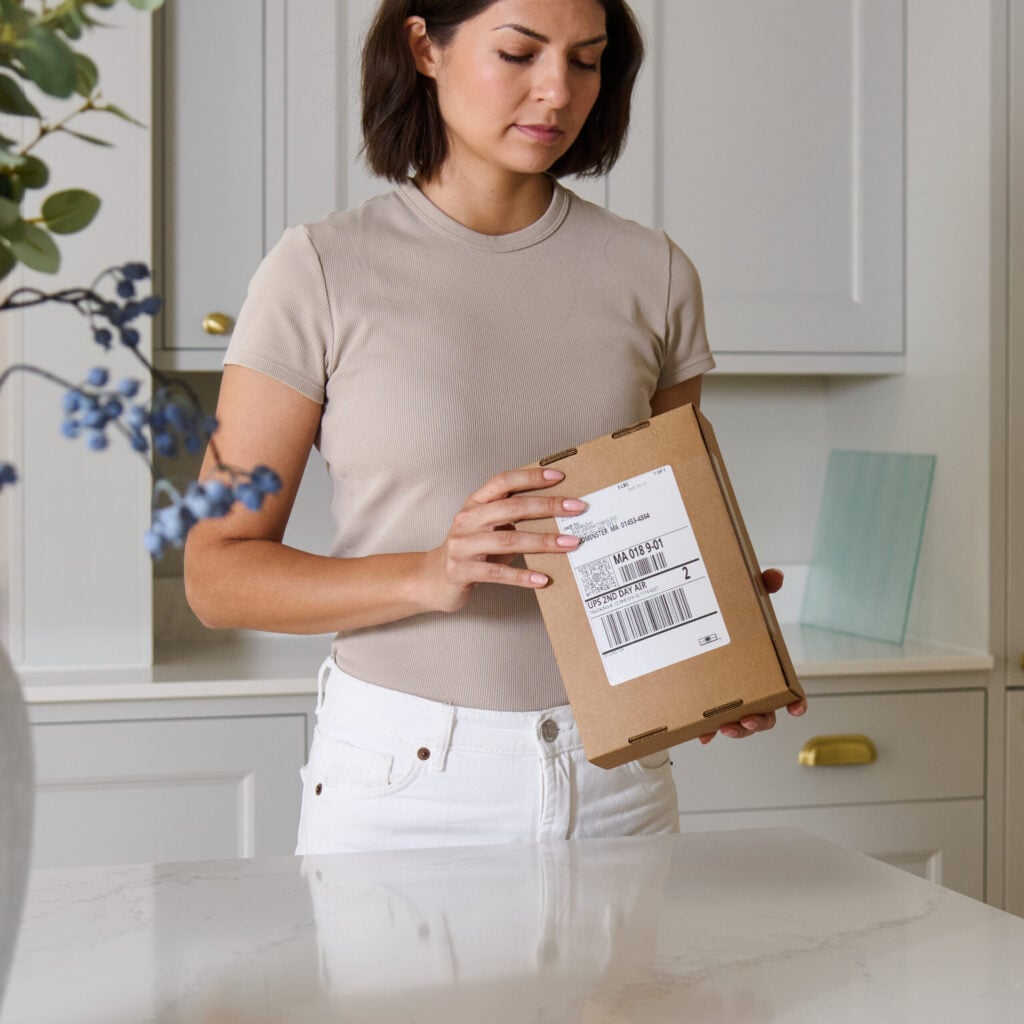
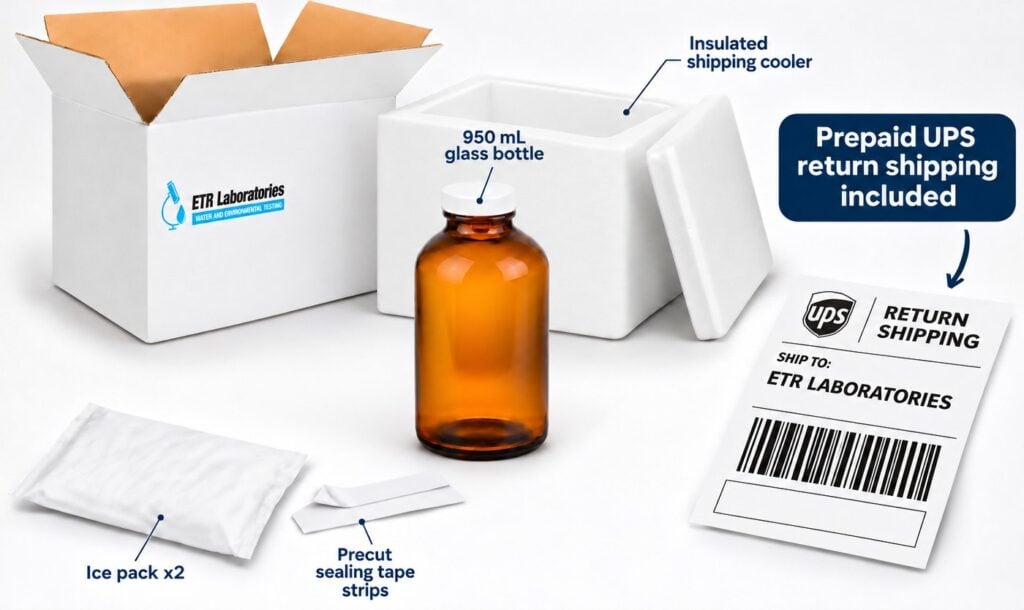
This test qualifies for free shipping on its own, since orders of $100 or more ship free. Your kit includes a prepaid return label, so postage back to our lab is covered.
If you live near Leominster, Massachusetts, you are welcome to drop your sample off at our lab in person.
We analyze your sample in our accredited lab, using established testing methods and quality controls.
We have tested water since 1995.
Every test includes a free consultation with one of our water experts. We go over your results with you, explain what the numbers mean for your home, and help you decide on the appropriate next step, including any filtration approach.
| Herbicide | EPA limit (public water) |
|---|---|
| 2,4-D | 70 ppb |
| 2,4,5-TP (silvex) | 50 ppb |
| 2,4,5-T | No current federal limit |
Results are reported in micrograms per liter. All three also appear in the herbicides and pesticides group of our Ultimate Water Test.

Ships free to your door
Takes under 5 minutes
Free return shipping
Expert Consultation

Ships free to your door

Takes under 5 minutes

Free return shipping

Expert Consultation
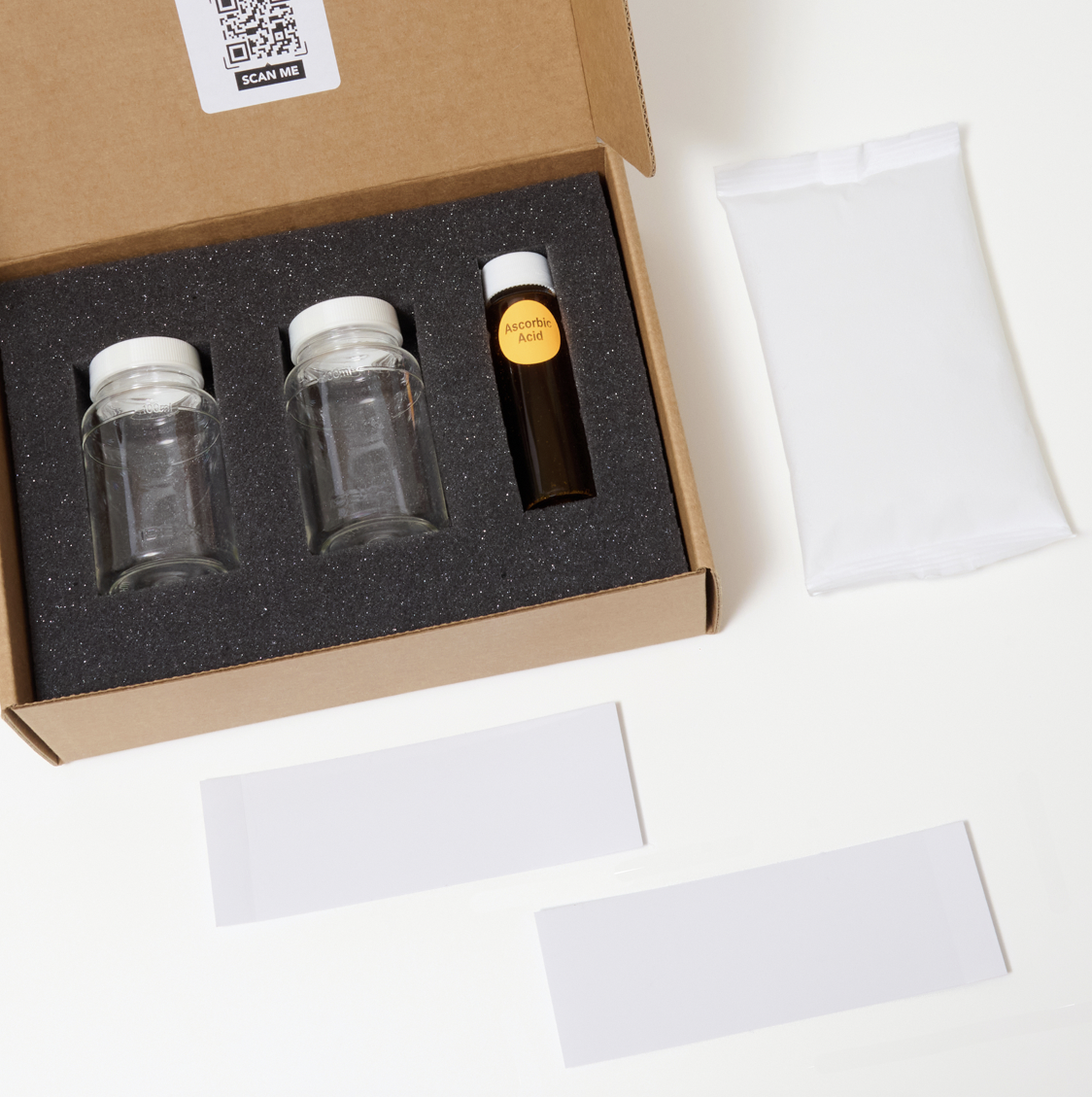
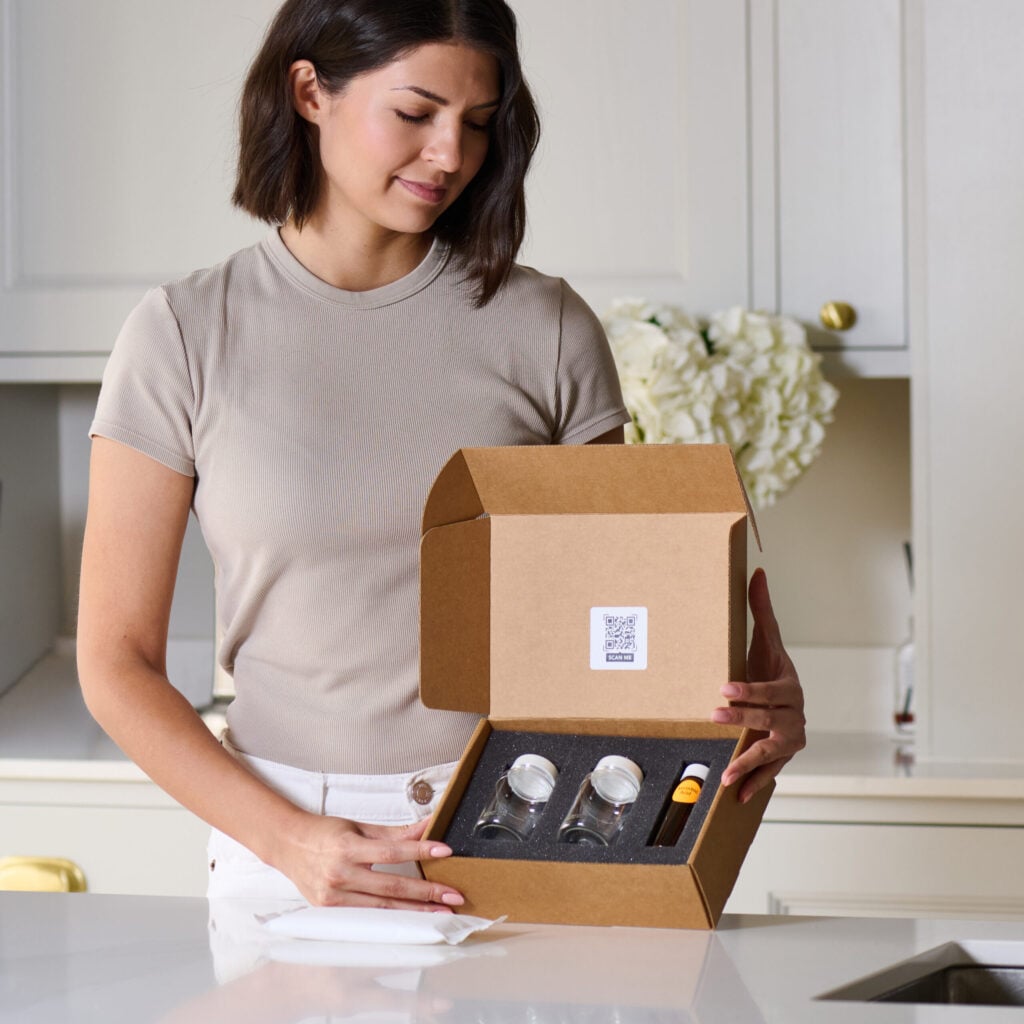
Every test comes with step-by-step instructions on how to prepare your water source, collect your water sample, and prepare your sample for return shipment to our lab.
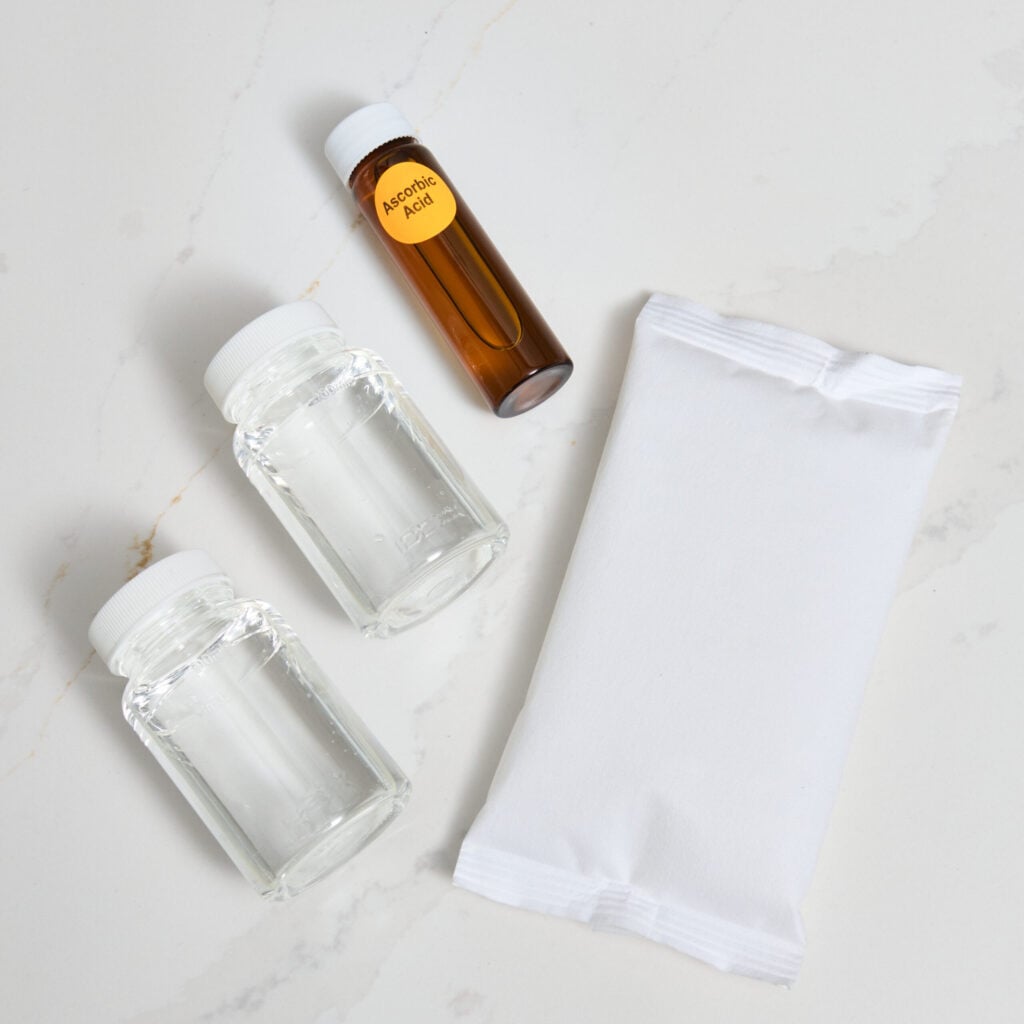
The appropriate sample containers are provided with sterility and sample volume requirements taken into consideration.
A short form to fill out with basic information about your water source. This helps our lab technicians process your results accurately.
A pre-paid return shipping label is included — just drop the sealed package in any mailbox or hand it to your mail carrier. No extra cost.

“The test was simple—collect a water sample from a faucet in the home. We sent the test to the lab and received a water quality analysis within a few days. The test included analysis of the water sample for the presence of: coliform bacteria, E. coli, iron, lead, pH, turbidity, and nitrates/nitrites.”
Taylor L.
“Incredible lab, they really care about their customers. As someone who doesn’t know a whole lot about water quality, they took their time to help me understand everything about my water quality situation.”
Brad R.
“I’ve used ETR for several tests, both water and air. The test kits are easy to understand and the reports are very comprehensive. But what really makes them stand out is their quality of service. There is a lot of terminology in these reports that I don’t understand, but their staff is very knowledgeable and always available to assist. They really take their time to review the results with you on the phone, and answer any questions you may have.”
John T.
4.8
Average Rating
across all platforms
500K+
Water Tests Sold
nationwide since 1995
342+
Reviews on Angi
verified homeowner reviews
We run every test inside our own lab in Leominster, Massachusetts. Your results come straight from us, not a subcontractor. That keeps our pricing fair and our quality consistent across every kit we send out.
Most labs stop at handing you a report. We do not. Every result comes with a free call to one of our water quality experts, so you understand what your numbers mean and what to do next.
ETR Laboratories has run water tests for over 30 years. We hold membership in the national Water Quality Association and the Massachusetts Ground Water Association.
Our reviews reflect the work we do. We hold a 4.8 out of 5 rating on Google, a 4.8 out of 5 rating on Angi from 342 reviews, and five-star ratings on Trustpilot.

Our Premium Water Test screens your water for 113 substances in one round, including bacteria, radon, heavy metals, and industrial chemicals, providing homeowners and landlords with a thorough assessment for peace of mind. We have run…
At low levels, the risk is considered small, which is why the EPA sets limits for the most common herbicides. Above those limits, long-term exposure to 2,4-D has been linked to kidney, liver and adrenal gland problems, and silvex to liver problems. Private wells are not regulated, so a test is the only way to know whether your water stays under those levels.
The EPA limit for 2,4-D in public drinking water is 70 parts per billion, and the limit for silvex is 50 parts per billion. Water at or below those levels is considered safe to drink over a lifetime. 2,4,5-T has no current federal limit because it is no longer used, so any detection of it is worth a closer look and a conversation with our team.
No. This test covers 2,4-D, 2,4,5-TP (silvex) and 2,4,5-T only. Glyphosate needs a different method, so if it is your main concern, contact our team and we can talk through testing options. Many lawn products combine several active ingredients, so checking the label on whatever was sprayed nearby helps us point you to the right test. Our team can also suggest the best time of year to sample for it.
Some break down slowly and can remain in soil and groundwater long after their last use. 2,4,5-T and silvex were widely applied on farms, railroad beds and utility lines before they were phased out. Testing confirms whether those old applications left anything behind in your well, which is especially useful when buying older rural property.
Yes, for the regulated ones. Utilities must monitor for 2,4-D, silvex and other herbicides with federal limits, and their annual water quality report lists any detections. Private wells have no such requirement, so the owner decides when to test. If you are on city water and still have concerns, testing your own tap gives you a direct reading.
In many cases, yes. Home treatment options exist for 2,4-D and similar herbicides in drinking water, and our free consultation helps you decide on the appropriate filtration approach. Filters need regular cartridge changes to keep working. Testing after the filter is installed is the simplest way to confirm it is bringing levels down. If levels are high, bottled water for drinking and cooking is a reasonable short-term step.
No. Boiling kills germs, but herbicides such as 2,4-D do not leave with the steam in any reliable way, so they stay in the pot and can end up slightly more concentrated as water evaporates. Boiling is the right step for a bacteria problem and the wrong one for chemicals. If a test finds herbicides above or near a federal limit, our free consultation helps you decide on the appropriate filtration approach for your results.
It can. Spray that drifts onto your yard, or runoff from a neighbor's lawn, pasture or field, may soak into the ground and reach groundwater, especially close to the wellhead. Spills while mixing or rinsing a sprayer near a well carry an even higher risk. Asking the neighbor what was sprayed and when helps you match the test to the chemicals used, and our lab result tells you whether any of them reached your water.
No shared results. Our laboratory holds our clients privacy to the highest regard, your results and information will never be shared. Be aware that state certified laboratories may be required to report your results to various government agencies.