Free Shipping on Orders of $100 or More
$100.00
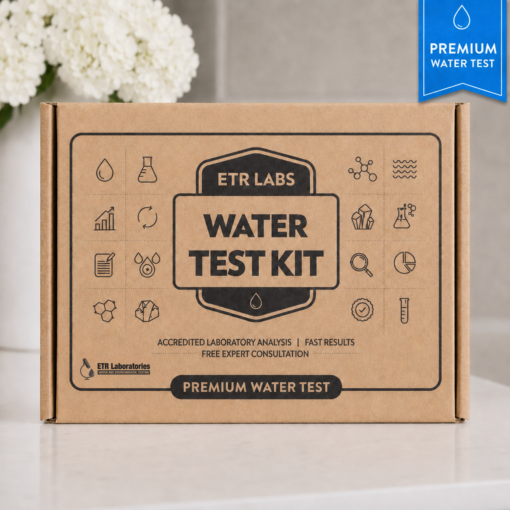
This two-part lead and copper water test compares a first draw sample, taken after water sits in your pipes for six hours or more, with a flushed sample taken after the tap runs cold. Lead and copper are measured in both. The comparison shows whether the metals come from your own plumbing or the water supply, which helps homeowners, buyers, and landlords decide where to spend on fixes.
The two-sample design saves you from fixing the wrong thing. Instead of guessing whether to call your utility or a plumber, you can see where the metals start. We reports all four numbers side by side, so the comparison is easy to read.
Lead and copper rarely start out in the water. They usually dissolve from plumbing as water sits in the pipes.
Here are the usual sources in a home:
Both metals can affect health at high levels, and corrosive water speeds up how fast they leach. The EPA's lead in drinking water guide explains more, and our Lead Water Test is the quicker choice when one reading is enough.
This test answers one question: is the lead or copper in your water coming from your own pipes, or from the water arriving from the street or your well? It is a natural next step if a single lead or copper test already came back elevated and you want to know what to fix.
It also fits if you live in a home built before 1986, when lead solder was still allowed, or in a neighborhood with older service lines. Blue-green stains around drains and faucets are another common reason, since they often point to copper corrosion.
Families with infants, young children, or someone pregnant often choose it, because lead is most harmful during early development. Buyers and landlords use it to decide whether to replace fixtures, re-plumb, filter at the tap, or contact the utility.
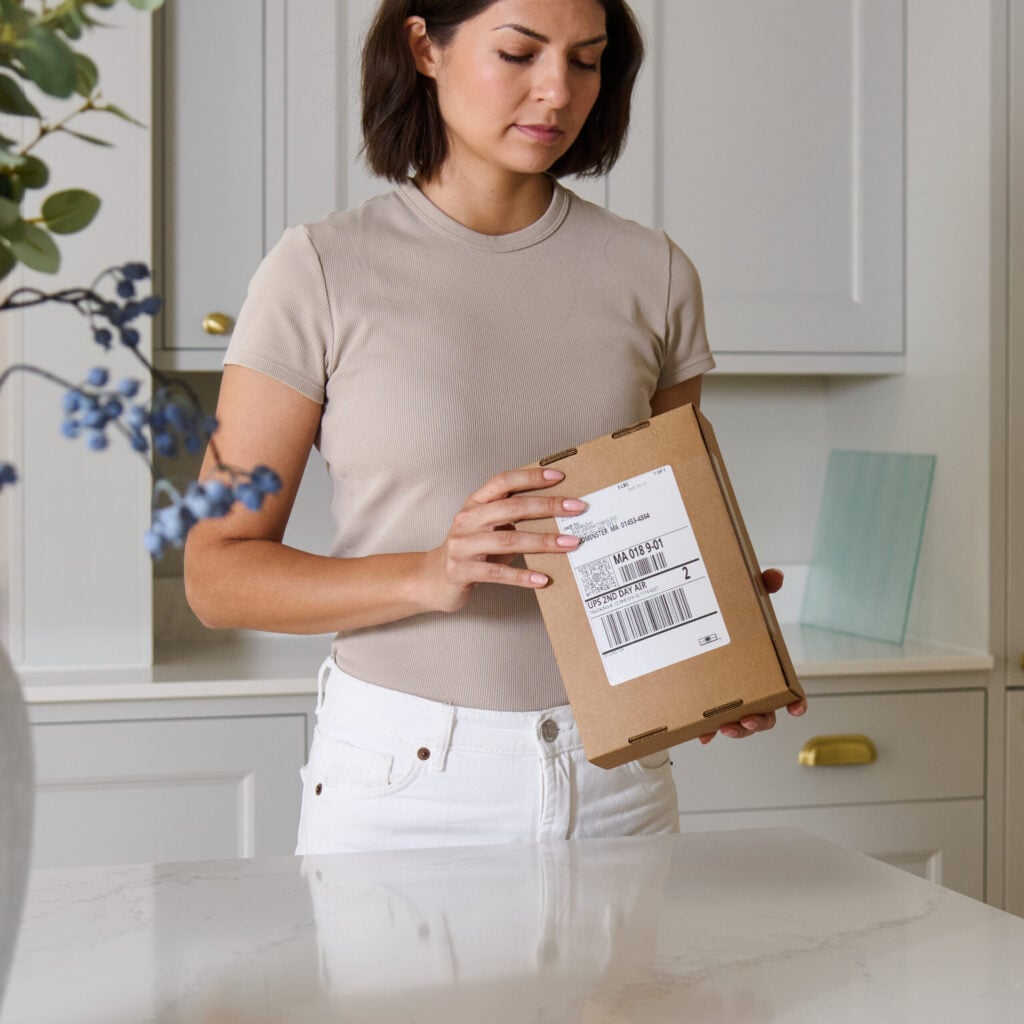
This kit ships free, since orders of $100 or more ship at no charge, and your box includes a prepaid return label. Please ship both bottles as soon as possible after sampling. If you are near our lab in Leominster, Massachusetts, you can hand-deliver both bottles to 60 Elm Hill Avenue.
We analyze your sample in our accredited lab, using established testing methods and quality controls.
We have tested water since 1995.
Every test includes a free consultation with one of our water experts. We go over your results with you, explain what the numbers mean for your home, and help you decide on the appropriate next step, including any filtration approach.
Each of your two samples is tested for:
That gives you four results in all: lead and copper at first draw, and lead and copper after flushing.

Ships free to your door
Takes under 5 minutes
Free return shipping
Expert Consultation

Ships free to your door

Takes under 5 minutes

Free return shipping

Expert Consultation
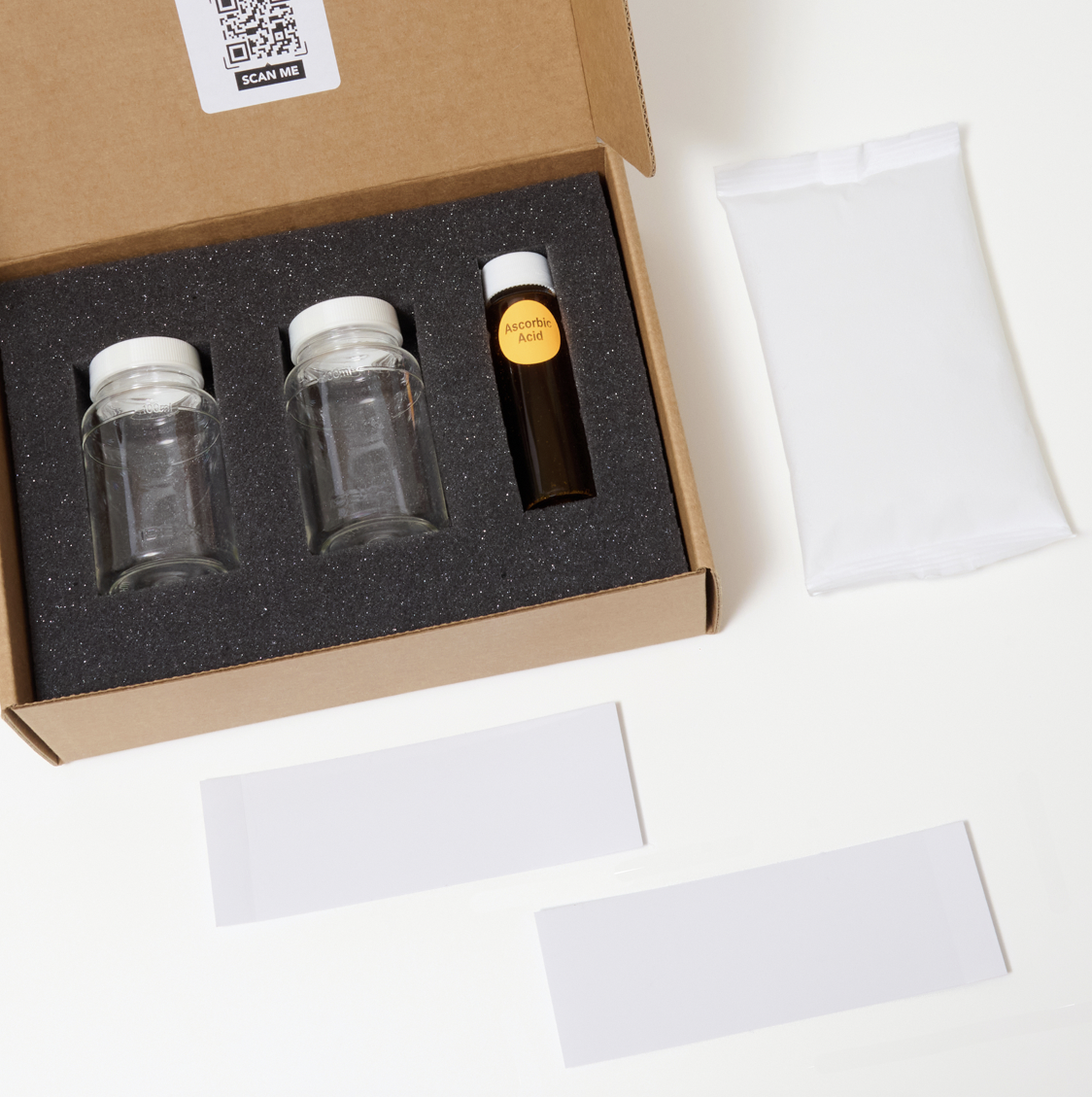
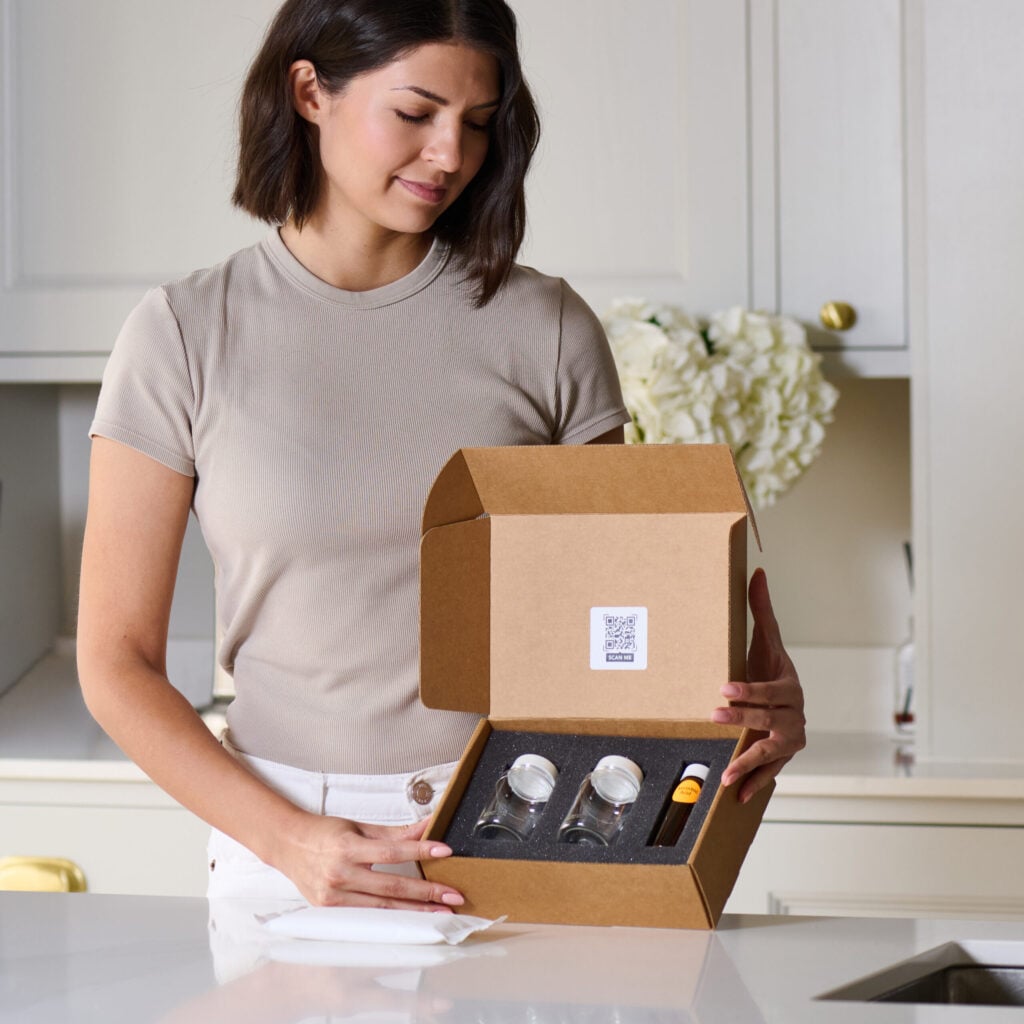
Every test comes with step-by-step instructions on how to prepare your water source, collect your water sample, and prepare your sample for return shipment to our lab.
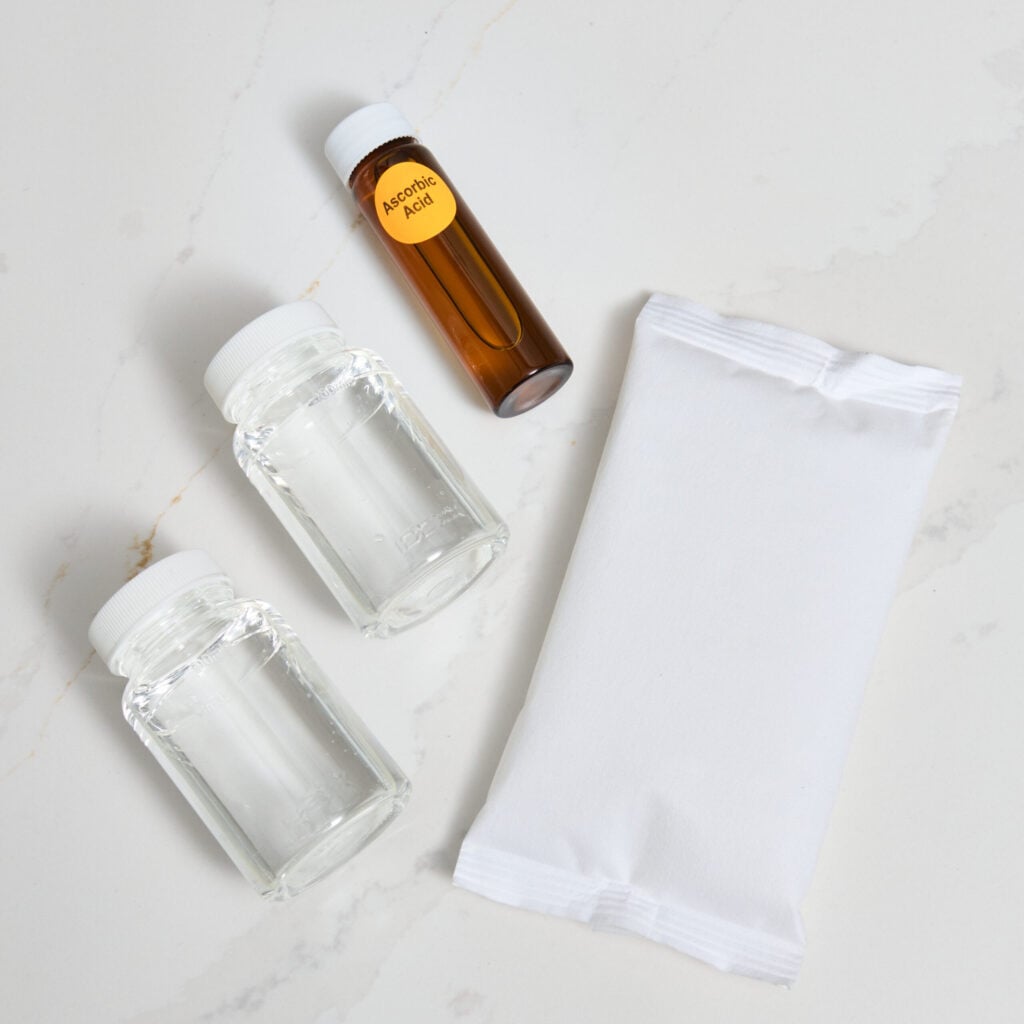
The appropriate sample containers are provided with sterility and sample volume requirements taken into consideration.
A short form to fill out with basic information about your water source. This helps our lab technicians process your results accurately.
A pre-paid return shipping label is included — just drop the sealed package in any mailbox or hand it to your mail carrier. No extra cost.
“The test was simple—collect a water sample from a faucet in the home. We sent the test to the lab and received a water quality analysis within a few days. The test included analysis of the water sample for the presence of: coliform bacteria, E. coli, iron, lead, pH, turbidity, and nitrates/nitrites.”
Taylor L.
“Incredible lab, they really care about their customers. As someone who doesn’t know a whole lot about water quality, they took their time to help me understand everything about my water quality situation.”
Brad R.
“I’ve used ETR for several tests, both water and air. The test kits are easy to understand and the reports are very comprehensive. But what really makes them stand out is their quality of service. There is a lot of terminology in these reports that I don’t understand, but their staff is very knowledgeable and always available to assist. They really take their time to review the results with you on the phone, and answer any questions you may have.”
John T.
4.8
Average Rating
across all platforms
500K+
Water Tests Sold
nationwide since 1995
342+
Reviews on Angi
verified homeowner reviews
We run every test inside our own lab in Leominster, Massachusetts. Your results come straight from us, not a subcontractor. That keeps our pricing fair and our quality consistent across every kit we send out.
Most labs stop at handing you a report. We do not. Every result comes with a free call to one of our water quality experts, so you understand what your numbers mean and what to do next.
ETR Laboratories has run water tests for over 30 years. We hold membership in the national Water Quality Association and the Massachusetts Ground Water Association.
Our reviews reflect the work we do. We hold a 4.8 out of 5 rating on Google, a 4.8 out of 5 rating on Angi from 342 reviews, and five-star ratings on Trustpilot.

Our Premium Water Test screens your water for 113 substances in one round, including bacteria, radon, heavy metals, and industrial chemicals, providing homeowners and landlords with a thorough assessment for peace of mind. We have run…
Yes. No safe level of lead exposure is known, especially for children, so the EPA health goal for lead is zero. Lead can affect learning and behavior in children, and in adults it may raise blood pressure and harm the kidneys over time. Copper is different, since small amounts are normal, but too much can upset the stomach and high levels over many years may affect the liver and kidneys.
The EPA action level for lead is 15 parts per billion (ppb), and the 2024 Lead and Copper Rule Improvements lower it to 10 ppb once the rule takes effect. The action level is a trigger for utilities to act, not a safe line, because the health goal is zero. For copper, the action level is 1.3 mg/L.
No. Boiling does not remove lead or copper, and it can slightly concentrate them as some of the water evaporates. If your results are high, using only cold water for drinking and cooking is a sensible short-term habit. Fixing the source, such as an old faucet or service line, is the long-term answer, and our free consultation helps you decide on the appropriate filtration approach in the meantime.
LCRR stands for the Lead and Copper Rule Revisions, an EPA update finalized in 2021 that changed how public water systems sample for lead and track lead service lines. It was followed in 2024 by the Lead and Copper Rule Improvements, which require replacing most lead service lines and lower the lead action level to 10 ppb once in effect. These rules cover utilities, not private wells.
They can add a small amount. Brass faucets and fittings sold before 2014 could contain more lead than today's rules allow, and even newer lead-free fixtures may contain a trace. New brass can release more in its first weeks of use. If you replaced a faucet and want to know what it adds, comparing a first draw sample with a flushed one shows whether the fixture is part of the picture.
Use the cold tap you drink from most, which for most homes is the kitchen faucet. Skip any tap with a filter, softener, or other treatment, since that would hide what your plumbing is adding. Both bottles should come from the same faucet so the first draw and flush results can be compared directly. A bathroom sink works if it is the tap your household uses for drinking water.
Yes. Lead and copper usually come from plumbing rather than the source, so a home on a private well can have both. Brass fittings, older pump parts, and solder can release metal, and well water in many areas is naturally acidic, which speeds that up. Private wells also lack the corrosion control many utilities add. Comparing a first draw and a flushed sample helps show whether the metal comes from your home's pipes or the well system.
Retesting makes sense whenever your plumbing or water changes. Common triggers include a new faucet, plumbing repairs, a service line replacement, or a switch in your utility's water source or treatment. Work on lead service lines can stir up particles for a while afterward, so a follow-up test a few weeks later is a sensible check. If your results were low and nothing changes, testing every few years keeps your record current, and sooner if someone becomes pregnant.
No shared results. Our laboratory holds our clients privacy to the highest regard, your results and information will never be shared. Be aware that state certified laboratories may be required to report your results to various government agencies.