
Free Shipping on Orders of $100 or More
$45.00
This test measures cadmium in water from your tap or well. Cadmium is a soft metal that can leach from aging galvanized pipe, industrial sites, and discarded batteries. It builds up in the kidneys over years, so the test suits older homes, wells near landfills or scrap yards, and anyone screening for metals.
Until you have a number, using cold water only for drinking and cooking, and running the tap after water has sat in the pipes, can lower how much metal you take in. If you want several metals checked at once, our Heavy Metals Water Test covers cadmium alongside lead, arsenic, and others.
Cadmium is a bluish-white metal related to zinc and usually found in the same ores as zinc and lead. You cannot see, taste, or smell it at the levels health agencies watch.
Here are the main sources:
Cadmium leaves the body very slowly, which is why long-term exposure draws the most attention. The EPA lists it in its national drinking water standards.
Here are the situations where testing makes the most sense:
Children, people with kidney disease, and people with low iron may absorb more of the cadmium they swallow. Households with those concerns often test sooner and keep the result on file.
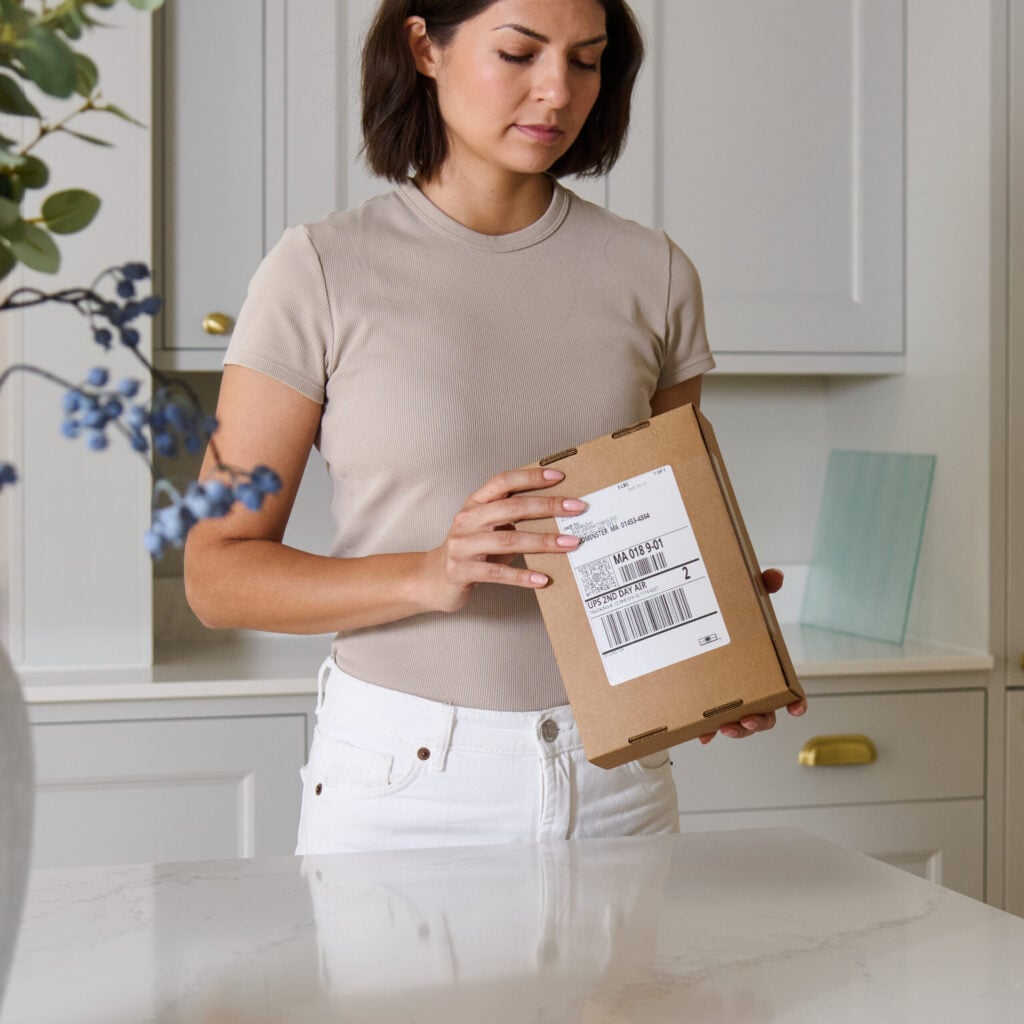
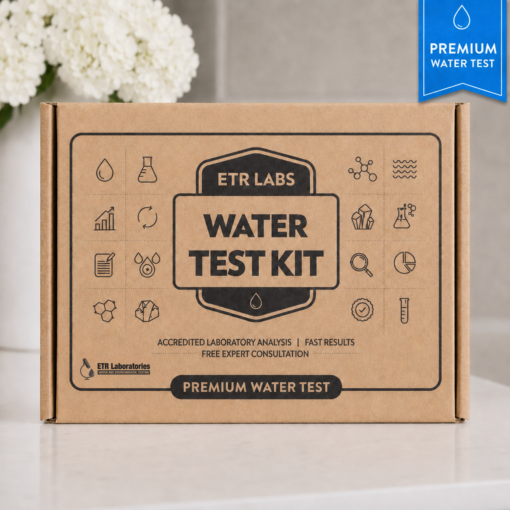
This kit ships for an $8 flat rate, or free when your order reaches $100. The prepaid label in your box covers the return trip. We preserve your sample in our lab when it arrives, so just collect and ship as soon as possible after sampling.
We analyze your sample in our accredited lab, using established testing methods and quality controls.
We have tested water since 1995.
Every test includes a free consultation with one of our water experts. We go over your results with you, explain what the numbers mean for your home, and help you decide on the appropriate next step, including any filtration approach.

Ships free to your door
Takes under 5 minutes
Free return shipping
Expert Consultation

Ships free to your door

Takes under 5 minutes

Free return shipping

Expert Consultation
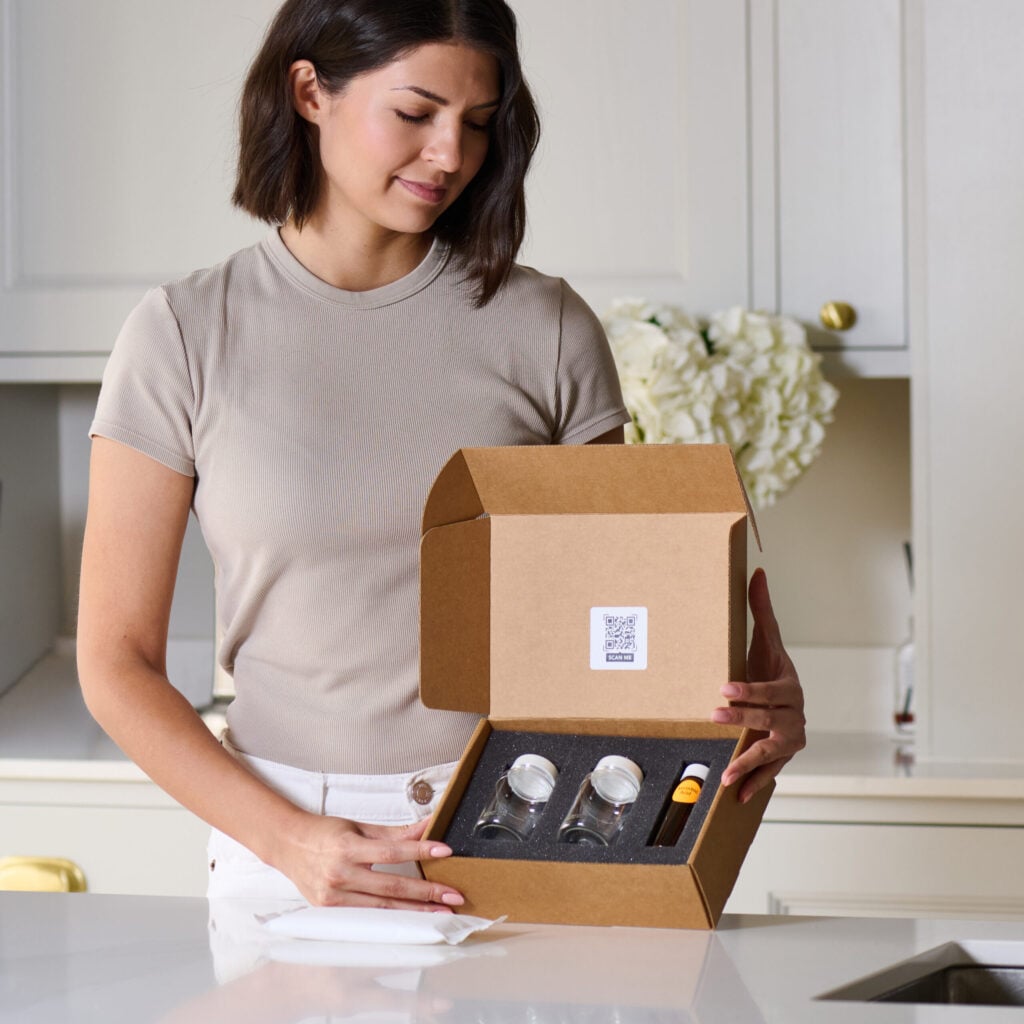
Every test comes with step-by-step instructions on how to prepare your water source, collect your water sample, and prepare your sample for return shipment to our lab.
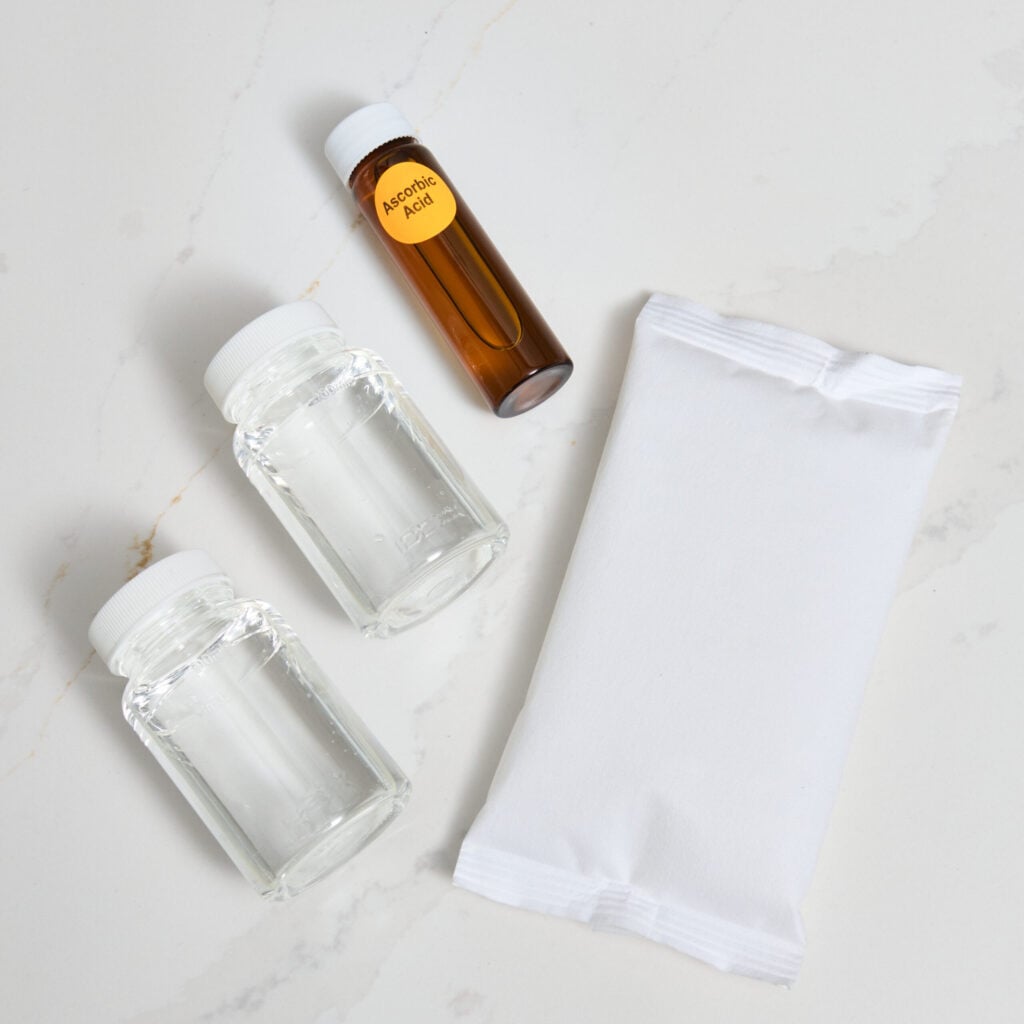
The appropriate sample containers are provided with sterility and sample volume requirements taken into consideration.
A short form to fill out with basic information about your water source. This helps our lab technicians process your results accurately.
A pre-paid return shipping label is included — just drop the sealed package in any mailbox or hand it to your mail carrier. No extra cost.
“The test was simple—collect a water sample from a faucet in the home. We sent the test to the lab and received a water quality analysis within a few days. The test included analysis of the water sample for the presence of: coliform bacteria, E. coli, iron, lead, pH, turbidity, and nitrates/nitrites.”
Taylor L.
“Incredible lab, they really care about their customers. As someone who doesn’t know a whole lot about water quality, they took their time to help me understand everything about my water quality situation.”
Brad R.
“I’ve used ETR for several tests, both water and air. The test kits are easy to understand and the reports are very comprehensive. But what really makes them stand out is their quality of service. There is a lot of terminology in these reports that I don’t understand, but their staff is very knowledgeable and always available to assist. They really take their time to review the results with you on the phone, and answer any questions you may have.”
John T.
4.8
Average Rating
across all platforms
500K+
Water Tests Sold
nationwide since 1995
342+
Reviews on Angi
verified homeowner reviews
We run every test inside our own lab in Leominster, Massachusetts. Your results come straight from us, not a subcontractor. That keeps our pricing fair and our quality consistent across every kit we send out.
Most labs stop at handing you a report. We do not. Every result comes with a free call to one of our water quality experts, so you understand what your numbers mean and what to do next.
ETR Laboratories has run water tests for over 30 years. We hold membership in the national Water Quality Association and the Massachusetts Ground Water Association.
Our reviews reflect the work we do. We hold a 4.8 out of 5 rating on Google, a 4.8 out of 5 rating on Angi from 342 reviews, and five-star ratings on Trustpilot.

Our Premium Water Test screens your water for 113 substances in one round, including bacteria, radon, heavy metals, and industrial chemicals, providing homeowners and landlords with a thorough assessment for peace of mind. We have run…
It can be over time. Cadmium collects in the kidneys and is linked to kidney damage and weaker bones after years of exposure above the EPA limit. Drinking water with a high level over a short period can cause nausea, vomiting, diarrhea, and muscle cramps. Cadmium is also classed as a human carcinogen, mainly based on people who breathed it in at work. Anyone with symptoms can ask a doctor about a urine or blood test.
The EPA limit for cadmium in public drinking water is 5 ppb, or 0.005 mg/L. The World Health Organization guideline is slightly lower at 3 ppb. Because cadmium builds up in the body for years, steady drinking above those levels is the main concern rather than a single glass. Private wells are not covered by the EPA rule, so the same number works as a household benchmark.
Yes. Treatment options that reduce cadmium exist, and treating only drinking and cooking water is often enough, since that is the main concern. The right choice depends on your level and the rest of your water chemistry, and our free consultation helps you decide on the appropriate filtration approach. Pitcher and faucet filters vary widely, so checking a product's certification for cadmium is a sensible step. A retest after any treatment is installed confirms it is bringing your level down.
They can. Galvanized pipe is steel coated in zinc, and that zinc coating can contain small amounts of cadmium as an impurity. As the pipe corrodes, both zinc and cadmium can dissolve into the water. Homes built before about 1960 are more likely to have galvanized lines. A test from the tap you drink from shows if your pipes are adding cadmium.
No. Boiling does not remove metals like cadmium. As some of the water steams away, the cadmium that remains becomes slightly more concentrated. If your result is high, bottled water for drinking and cooking is a sensible stopgap until the source is fixed or treated. Showering and bathing are generally a lower concern, since very little cadmium passes through skin. Our free consultation can help you plan the next step.
Yes, it is a good idea. Cadmium in tap water often comes from aging galvanized pipe, and galvanized pipe can also hold lead, especially in homes that once had lead service lines or lead solder. Both metals affect the kidneys and other organs over time, and both have no taste or smell. Testing them together from one sample shows how much your plumbing is adding to your water.
Cadmium is uncommon in most wells, and higher levels tend to show up near a specific source, such as mining, a landfill, a scrap yard, or a metal refinery. Aging galvanized pipe can add traces at the tap in any home, on a well or city water. Since cadmium in water has no taste or smell, a test is the only way to rule it out, and a metals panel can check it along with arsenic from the same sample.
A yearly test is a sensible habit if a past result showed any cadmium or your home has galvanized pipe. Pipes corrode slowly, so the level at your tap can creep up over the years. Retesting also makes sense after plumbing work, a switch in water source, or installing treatment, since each one can change what reaches your glass. Sampling from the same tap each time makes your results easy to compare.
No shared results. Our laboratory holds our clients privacy to the highest regard, your results and information will never be shared. Be aware that state certified laboratories may be required to report your results to various government agencies.