Chromium 6 Water Test: The Test With No Federal Limit
Your well report says chromium is under the limit, and
Free Shipping on Orders of $100 or More
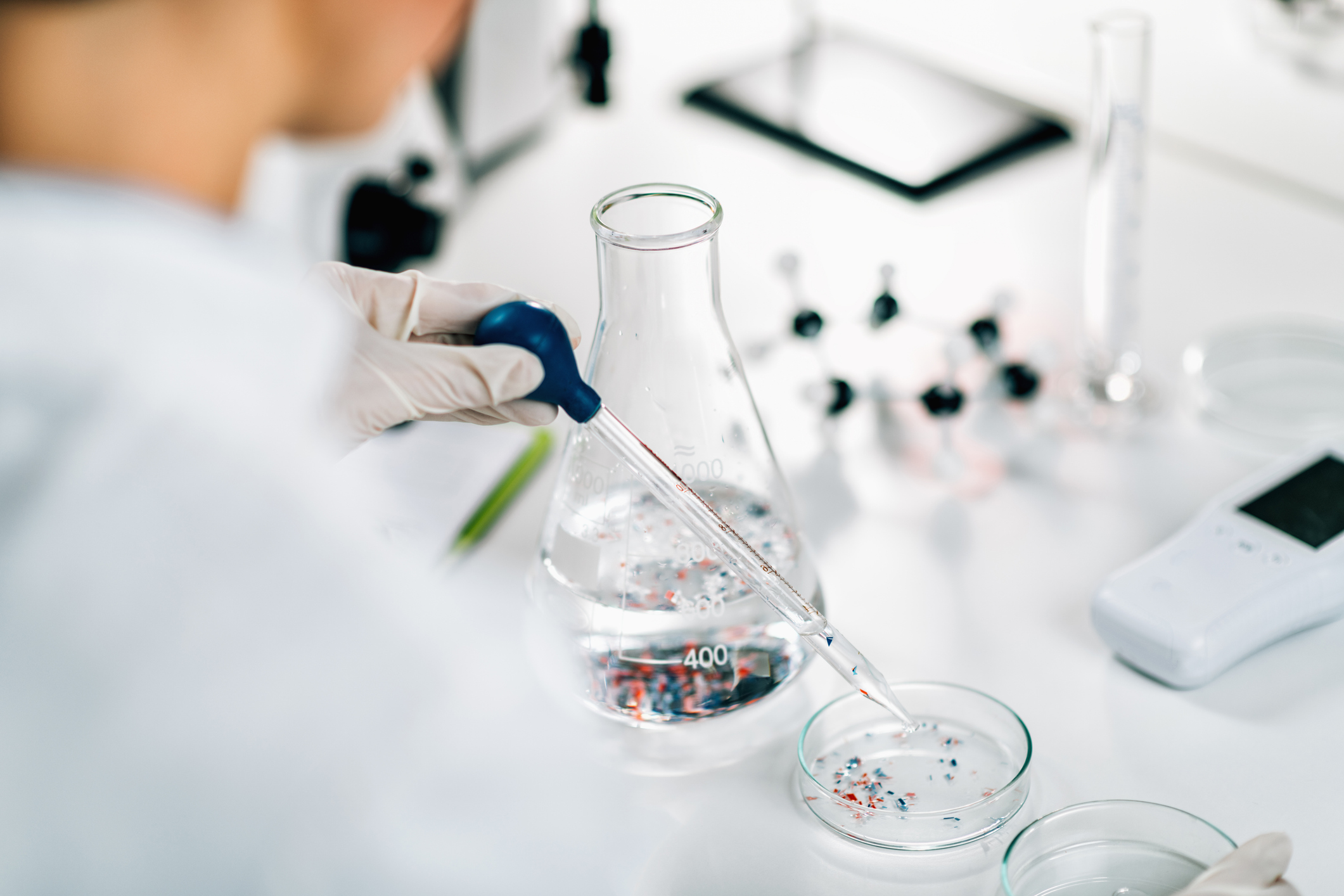
Testing your well water isn’t just a one-time task—it’s an ongoing responsibility to ensure safe drinking water. But when exactly should you test your well water? In this article, we’ll explore the key times to check for contaminants to protect your family’s health and maintain water quality.
The Environmental Protection Agency (EPA) recommends testing private well water at least once a year for basic indicators of contamination, including:
Certain environmental events can compromise well water safety. Test your well water immediately after:
Unusual changes in your water’s taste, smell, or appearance are red flags. Test your well water if you notice:
Infants and pregnant women are more vulnerable to waterborne contaminants, such as nitrates and bacteria. Test your well water before bringing a newborn home or during pregnancy to ensure safety.
Anytime you repair or modify your well system, contaminants may be introduced. Test for:
If you suspect contamination from nearby agricultural runoff, industrial pollution, or other environmental hazards, conduct a comprehensive water test. This includes testing for pesticides, heavy metals, and volatile organic compounds (VOCs).
Knowing when to test your well water is essential for maintaining safe and clean drinking water. By staying vigilant and testing at key times, you can protect your family’s health and well-being.
Learn more about water testing services today.
Your well report says chromium is under the limit, and
A VOC kit arrives with small glass vials, a preservative
You open a water test report, or compare two test
Related Post.
Chromium 6 Water Test: The Test With No Federal Limit
Your well report says chromium is under the limit, and that may seem like the
How VOCs Are Tested in Well Water: Lab Method Explained
A VOC kit arrives with small glass vials, a preservative already inside, a no-bubble rule
Copper and Manganese: Why Some Water Tests Skip Them
You open a water test report, or compare two test kits side by side, and
Golf Course Pesticides and Your Well Water: What to Test
Field studies have found turf pesticides in some groundwater beneath golf courses, usually below health
Giardia and Cryptosporidium in Well Water: Can You Test?
After a stomach illness, a flood, or a neighbor’s warning about parasites, a passing bacteria
Uranium Water Test: The Well Test Most Owners Skip
Uranium has no color, taste, or smell, and the routine tests many well owners order
State Well Water Testing Requirements by Region: A Guide
Private well testing requirements vary by state, and your county or municipality may add rules
Inside the ETR Laboratory: How Samples Are Analyzed
Most people who order a water test never see what happens after they mail the
Home Water Filtration Systems Often Pay for Themselves. Here Is the Math.
From the Lab by ETR Laboratories Most people treat bottled water as a small household
City Water vs Well Water: Different Tests, Different Risks
City water and private well water are managed differently, so the reasons you may want
What Comes in an ETR Water Test Kit: A Full Breakdown
When your ETR Lab’s water test kit arrives, the first question is usually simple: what’s
How ETR Laboratories Tests Your Water, Step by Step
Water testing ads usually talk about the kit in your mailbox. The part that decides