
Free Shipping on Orders of $100 or More
$35.00
Our Ammonia Water Test measures ammonia in water. Ammonia usually comes from breaking-down waste, manure, or fertilizer, so a high reading can be an early sign that something is reaching your well. It suits private well owners near septic systems, farms, or fertilized fields, and anyone who notices a sharp, cleaning-product smell at the tap.
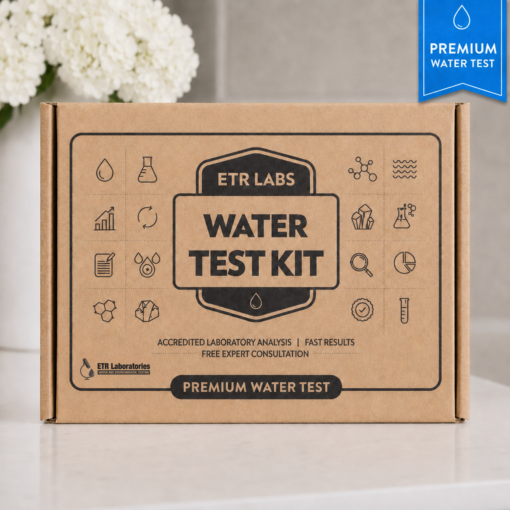
Ammonia, nitrate, and bacteria tell one story together, since the same waste can carry all three. Many well owners test them as a set, and our Premium Water Test covers them in one kit, which saves a second round of sampling. A retest after any well repair shows whether the fix worked.
Ammonia forms when plant and animal proteins break down. In groundwater it mostly sits in a related form called ammonium, and the two shift back and forth with the water's pH.
Here are the usual sources:
Ammonia can also wear on copper plumbing and use up the chlorine that some treatment systems depend on. The EPA private well page covers basic well protection.
This test fits you if your well sits near a septic system, a barnyard, or fields that get fertilized. A reading above background often means fresh waste is reaching your water.
It also makes sense if you notice a sharp, cleaning-product smell at the tap, or if a recent nitrate result came back high. Soil bacteria can turn ammonia into nitrate over time, and nitrate is a concern for homes with infants.
Treatment plans are another reason to check. If you rely on a chlorine-based system for iron or bacteria, knowing your ammonia level before you buy equipment saves guesswork.
Orders under $100 ship for an $8 flat rate, and shipping is free once your cart reaches $100. Every kit includes a prepaid return label, so sending your sample back to our lab costs nothing. We suggest mailing it the day you collect.
We analyze your sample in our accredited lab, using established testing methods and quality controls.
We have tested water since 1995.
Every test includes a free consultation with one of our water experts. We go over your results with you, explain what the numbers mean for your home, and help you decide on the appropriate next step, including any filtration approach.

Ships free to your door
Takes under 5 minutes
Free return shipping
Expert Consultation

Ships free to your door

Takes under 5 minutes

Free return shipping

Expert Consultation
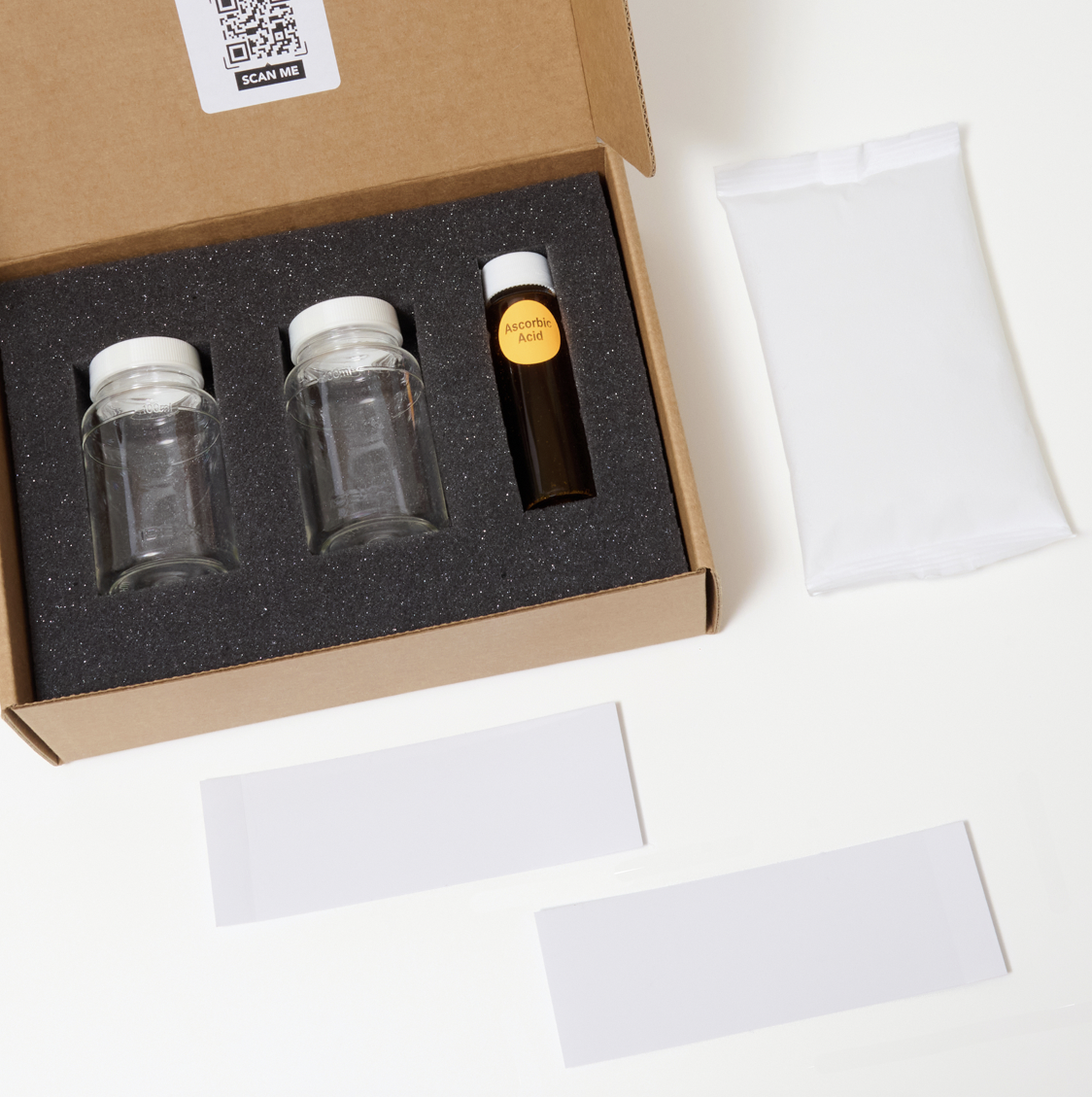
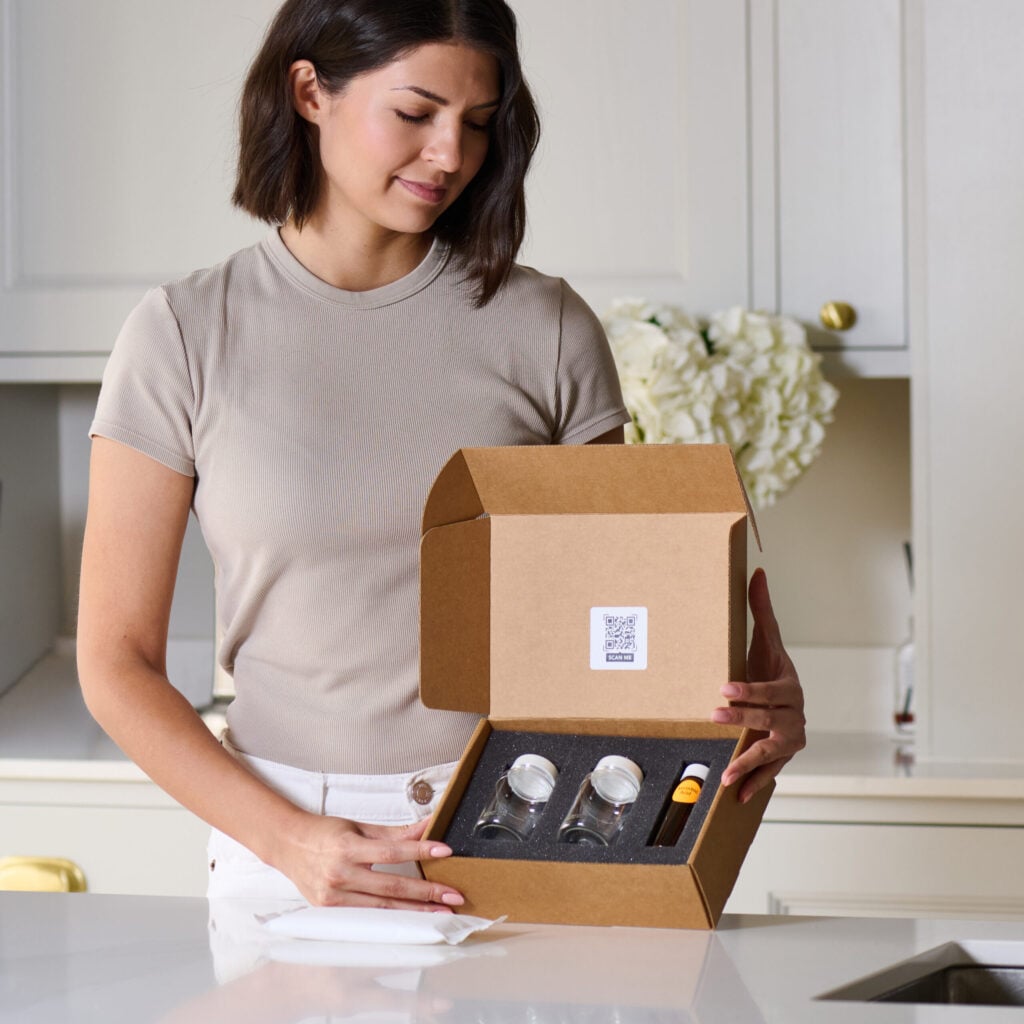
Every test comes with step-by-step instructions on how to prepare your water source, collect your water sample, and prepare your sample for return shipment to our lab.
The appropriate sample containers are provided with sterility and sample volume requirements taken into consideration.
A short form to fill out with basic information about your water source. This helps our lab technicians process your results accurately.
A pre-paid return shipping label is included — just drop the sealed package in any mailbox or hand it to your mail carrier. No extra cost.
“The test was simple—collect a water sample from a faucet in the home. We sent the test to the lab and received a water quality analysis within a few days. The test included analysis of the water sample for the presence of: coliform bacteria, E. coli, iron, lead, pH, turbidity, and nitrates/nitrites.”
Taylor L.
“Incredible lab, they really care about their customers. As someone who doesn’t know a whole lot about water quality, they took their time to help me understand everything about my water quality situation.”
Brad R.
“I’ve used ETR for several tests, both water and air. The test kits are easy to understand and the reports are very comprehensive. But what really makes them stand out is their quality of service. There is a lot of terminology in these reports that I don’t understand, but their staff is very knowledgeable and always available to assist. They really take their time to review the results with you on the phone, and answer any questions you may have.”
John T.
4.8
Average Rating
across all platforms
500K+
Water Tests Sold
nationwide since 1995
342+
Reviews on Angi
verified homeowner reviews
We run every test inside our own lab in Leominster, Massachusetts. Your results come straight from us, not a subcontractor. That keeps our pricing fair and our quality consistent across every kit we send out.
Most labs stop at handing you a report. We do not. Every result comes with a free call to one of our water quality experts, so you understand what your numbers mean and what to do next.
ETR Laboratories has run water tests for over 30 years. We hold membership in the national Water Quality Association and the Massachusetts Ground Water Association.
Our reviews reflect the work we do. We hold a 4.8 out of 5 rating on Google, a 4.8 out of 5 rating on Angi from 342 reviews, and five-star ratings on Trustpilot.

Our Premium Water Test screens your water for 113 substances in one round, including bacteria, radon, heavy metals, and industrial chemicals, providing homeowners and landlords with a thorough assessment for peace of mind. We have run…
Usually not at the levels found in household water. The EPA has no health-based limit for ammonia, and low amounts are not considered a direct threat to people. The risk sits with the source. Ammonia often comes from sewage, septic leaks, or manure, and those can bring bacteria and nitrate with them, so a high ammonia result is best read alongside a bacteria and nitrate test.
There is no federal health limit for ammonia in drinking water, and the World Health Organization does not set a health-based value either. Taste and smell become the practical limit, and federal toxicology data puts the taste threshold at about 35 ppm. In a private well, a steady rise above background is the more useful signal, since it points to waste reaching the water. Fish are far more sensitive, which is why aquarium and pond owners watch much lower levels.
At typical levels, there are no body symptoms you would notice. What you may notice is a sharp, cleaning-product smell or a slightly bitter taste once levels climb well above normal. Very high concentrations can irritate the eyes and nose. If people in your home have stomach upset, the cause is more likely bacteria from the same waste source, so a bacteria test is a sensible next step.
They are two forms of the same compound that switch back and forth in water. Ammonium dominates when the pH is neutral or lower, which is the case in many wells. Free ammonia becomes more common as pH and temperature rise, and it is the form that harms fish. That is why pond and aquarium owners pay close attention to pH along with their ammonia number.
No. Boiling does not reliably remove dissolved ammonia, and as water evaporates it can leave what remains more concentrated. Treatment options that reduce ammonia do exist, and our free consultation helps you decide on the appropriate filtration approach. Since ammonia is often a symptom of waste entering the well, repairing the well cap, casing, or a failing septic system tends to do more than treatment alone.
Many water utilities add a small amount of ammonia on purpose. Combined with chlorine, it forms chloramine, a disinfectant that lasts longer as water travels through miles of pipe. This is normal and regulated. Chloramine can give water a faint chemical smell, and it is harmful to fish, so aquarium owners treat their water before use. Your utility's yearly water quality report will say if it uses chloramine.
It can over time. Ammonia can speed up corrosion of copper and brass, which may lead to blue-green stains, a metallic taste, or pinhole leaks in older lines. The effect depends on your level and the rest of your water chemistry, especially pH. If you notice these signs and your ammonia level sits above background, a copper test shows how much metal your pipes are giving up, and our free consultation can help you plan from there.
It can. Spring fertilizer, manure spreading, and snowmelt can push more ammonia toward shallow wells, and heavy rain can wash septic or barnyard waste in faster. Warm months also speed up the soil bacteria that turn ammonia into nitrate, so the two numbers can move in opposite directions. Testing for ammonia in water in the same season each year, plus after a flood or a septic repair, makes changes easier to spot.
No shared results. Our laboratory holds our clients privacy to the highest regard, your results and information will never be shared. Be aware that state certified laboratories may be required to report your results to various government agencies.