Free Shipping on Orders of $100 or More
$50.00
Our O-Phosphate Water Test measures orthophosphate, the dissolved form of phosphate in water that algae and plants use first. Pond and lake owners test it to track what is feeding algae blooms, and city water customers test it because many utilities add orthophosphate to coat pipes and keep lead out of tap water.
For ponds, the most useful readings are comparisons over time from the same spot, taken before and after heavy rain or a treatment. Tracking those numbers helps you judge whether buffer plantings, septic repairs, or less fertilizer are making a difference.
Orthophosphate is the dissolved form of phosphate that plants and algae use first. It plays two very different roles depending on where you find it.
Here are the main sources:
In ponds and lakes, even a small increase can feed fast algae growth, as the EPA nutrient pollution site explains. In drinking water, utilities add it on purpose to form a thin coating inside pipes that helps reduce lead and copper leaching. For every form of phosphorus in one number, see our T-Phosphorus Water Test.
Pond, lake and water garden owners often order this test. If algae keeps returning after treatment, an orthophosphate reading helps you judge how much nutrient is coming in and whether runoff or a septic system nearby may be the source.
City water customers have another reason. If your utility uses orthophosphate for corrosion control, a tap result can show whether it is reaching your plumbing, which may be useful after a high lead or copper result.
Well owners near farm fields or with an older septic system sometimes add it to a broader screen, since rising phosphate can hint at nearby waste or fertilizer. A baseline result now also makes later changes easier to spot.
Orders of $100 or more ship free, and smaller orders ship for an $8 flat rate. A prepaid return label is included with every kit. Orthophosphate has a short holding time, so please collect and ship as soon as possible after sampling, ideally the same day.
We analyze your sample in our accredited lab, using established testing methods and quality controls.
We have tested water since 1995.
Every test includes a free consultation with one of our water experts. We go over your results with you, explain what the numbers mean for your home, and help you decide on the appropriate next step, including any filtration approach.

Ships free to your door
Takes under 5 minutes
Free return shipping
Expert Consultation

Ships free to your door

Takes under 5 minutes

Free return shipping

Expert Consultation
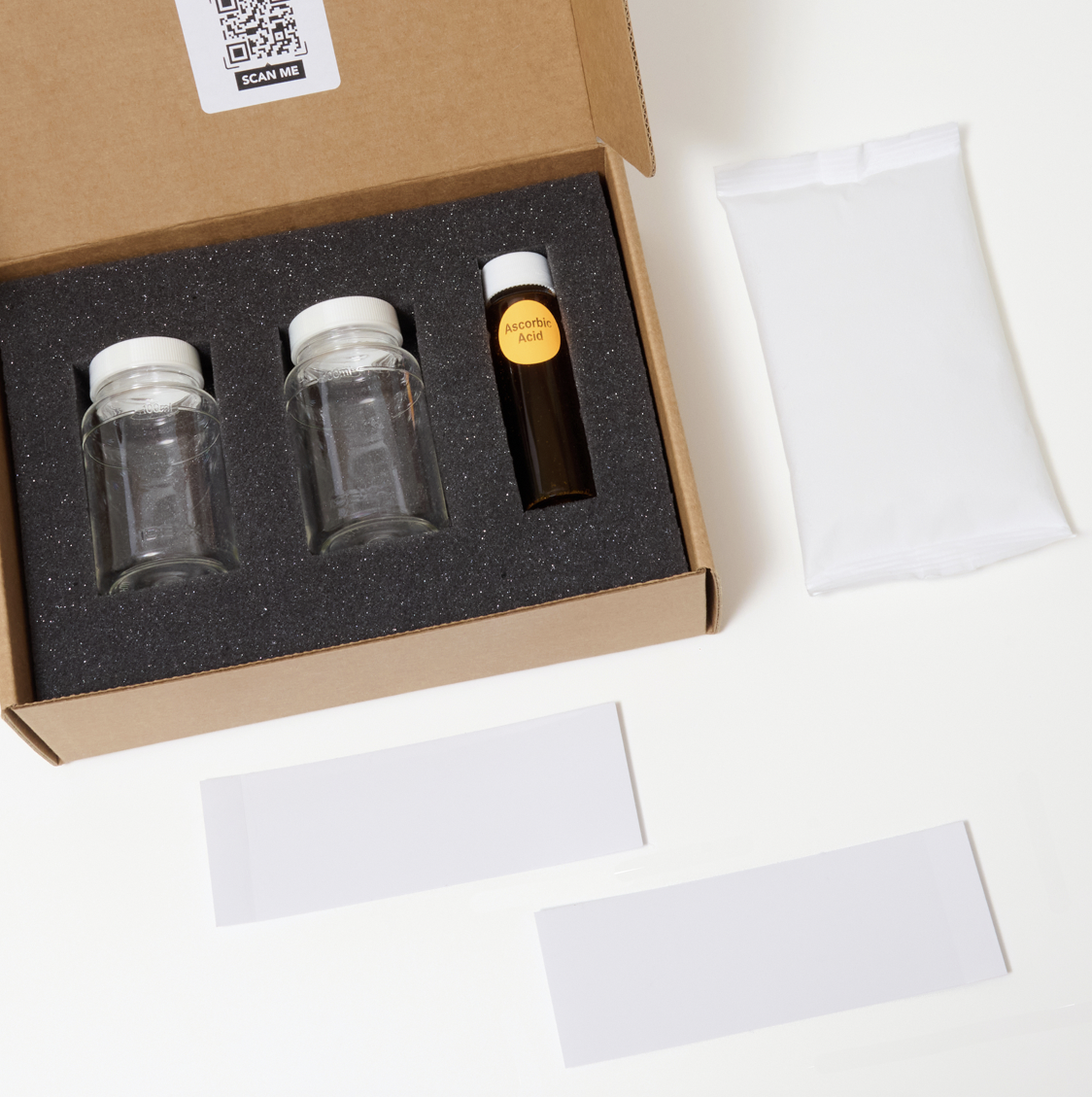
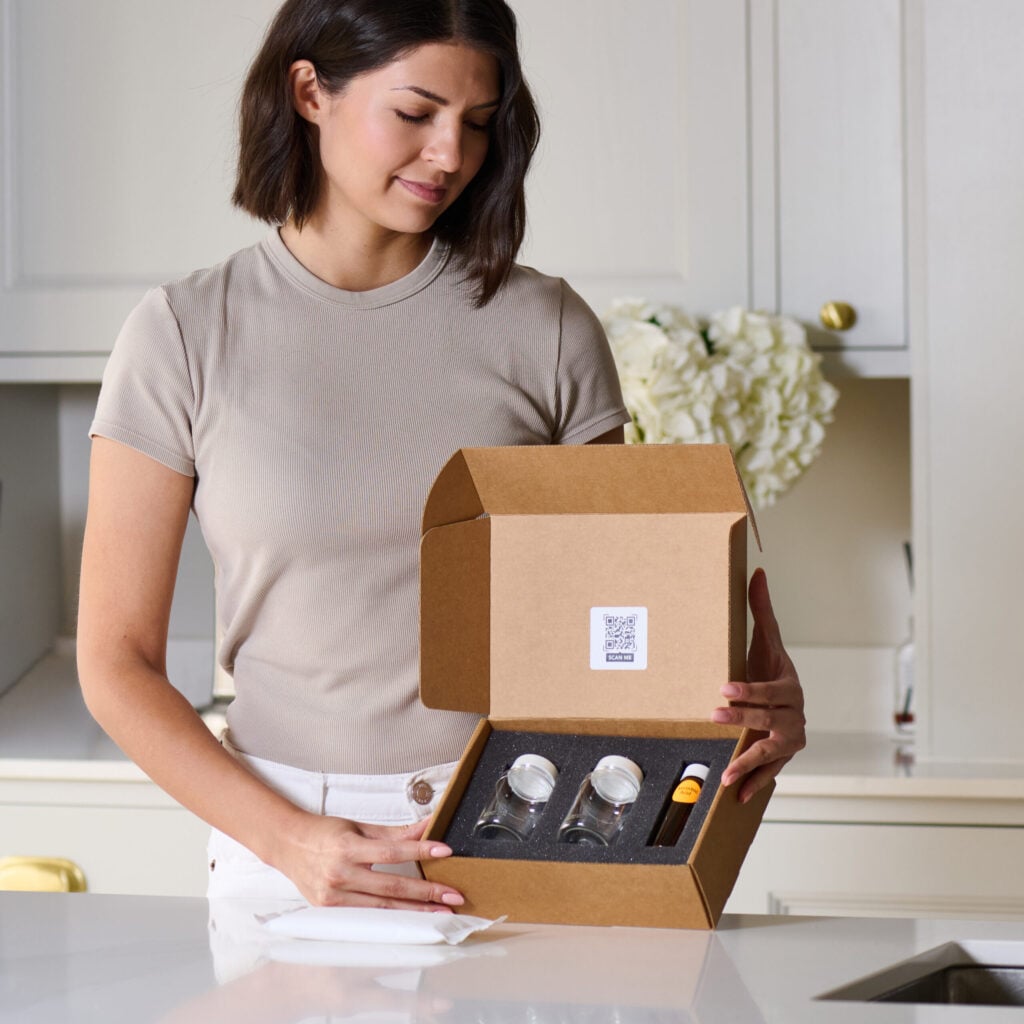
Every test comes with step-by-step instructions on how to prepare your water source, collect your water sample, and prepare your sample for return shipment to our lab.
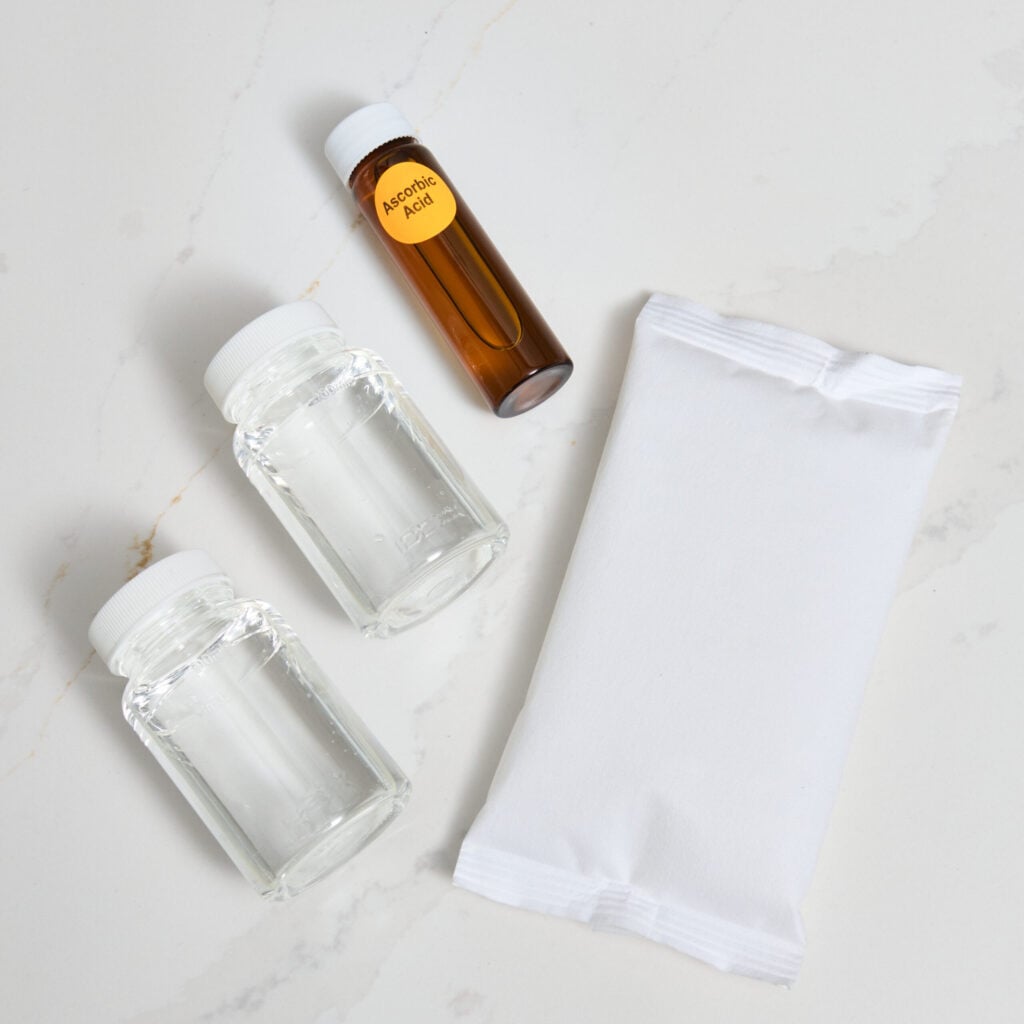
The appropriate sample containers are provided with sterility and sample volume requirements taken into consideration.
A short form to fill out with basic information about your water source. This helps our lab technicians process your results accurately.
A pre-paid return shipping label is included — just drop the sealed package in any mailbox or hand it to your mail carrier. No extra cost.
“The test was simple—collect a water sample from a faucet in the home. We sent the test to the lab and received a water quality analysis within a few days. The test included analysis of the water sample for the presence of: coliform bacteria, E. coli, iron, lead, pH, turbidity, and nitrates/nitrites.”
Taylor L.
“Incredible lab, they really care about their customers. As someone who doesn’t know a whole lot about water quality, they took their time to help me understand everything about my water quality situation.”
Brad R.
“I’ve used ETR for several tests, both water and air. The test kits are easy to understand and the reports are very comprehensive. But what really makes them stand out is their quality of service. There is a lot of terminology in these reports that I don’t understand, but their staff is very knowledgeable and always available to assist. They really take their time to review the results with you on the phone, and answer any questions you may have.”
John T.
4.8
Average Rating
across all platforms
500K+
Water Tests Sold
nationwide since 1995
342+
Reviews on Angi
verified homeowner reviews
We run every test inside our own lab in Leominster, Massachusetts. Your results come straight from us, not a subcontractor. That keeps our pricing fair and our quality consistent across every kit we send out.
Most labs stop at handing you a report. We do not. Every result comes with a free call to one of our water quality experts, so you understand what your numbers mean and what to do next.
ETR Laboratories has run water tests for over 30 years. We hold membership in the national Water Quality Association and the Massachusetts Ground Water Association.
Our reviews reflect the work we do. We hold a 4.8 out of 5 rating on Google, a 4.8 out of 5 rating on Angi from 342 reviews, and five-star ratings on Trustpilot.

Our Premium Water Test screens your water for 113 substances in one round, including bacteria, radon, heavy metals, and industrial chemicals, providing homeowners and landlords with a thorough assessment for peace of mind. We have run…
At the levels found in drinking water, phosphate is generally not considered harmful. Utilities add food-grade orthophosphate at low doses, and phosphorus is a normal part of the diet. Very high phosphorus intake over long periods has been linked to kidney and bone problems in some people, mainly those with kidney disease, so ask your doctor if that applies to you.
For drinking water, there is no federal limit, and the low doses utilities add for corrosion control are not considered a health concern. In ponds and lakes, small amounts go a long way, since even a modest rise can feed an algae bloom. Many states set their own nutrient targets for surface water, so the trend over time often tells you more than one reading.
In ponds and lakes, high phosphate usually leads to algae blooms. The algae grow fast, then die and decay, which uses up oxygen and can lead to fish kills and murky, smelly water. In tap water, higher orthophosphate often means your utility is adding it for corrosion control, which is a planned treatment and not a sign of contamination.
O-Phosphate measures only the dissolved reactive form that algae can use right away. T-Phosphorus, short for total phosphorus, measures every form combined, including phosphorus bound to particles and organic matter that may become available later. Pond managers often track both, since total phosphorus shows the long-term load and orthophosphate shows what is ready to feed a bloom now.
It can add to it. If your utility uses orthophosphate for corrosion control, topping off a pond, fountain, or water garden with tap water adds a small dose of the nutrient algae use first. In a small or closed system, that can build up over time. Testing your tap water and your pond side by side shows whether the top-off water is a meaningful source.
No, not by itself. Utilities add orthophosphate as a corrosion control step, and its presence mainly shows the treatment is reaching your tap. It does not tell you what your own pipes are made of. If your home has older plumbing or a lead service line, a lead test is the way to check what is in your water.
Your utility's annual water quality report, also called a Consumer Confidence Report, is the first place to look. Many utilities describe their corrosion control treatment there or on their website, and a phone call can confirm it. A tap test shows how much orthophosphate is reaching your home. That can be useful in an older house with lead or copper concerns, since the protective coating tends to work best with a steady dose.
Often, yes. Nitrogen and phosphorus are the two main nutrients that feed algae, and fertilizer, septic waste, and animal waste usually carry both. Some ponds grow algae mainly because of extra phosphorus, while others respond more to nitrogen. Knowing both levels helps you see which nutrient is likely driving growth and where to focus your efforts. Testing them on the same day from the same spot keeps the comparison fair.
No shared results. Our laboratory holds our clients privacy to the highest regard, your results and information will never be shared. Be aware that state certified laboratories may be required to report your results to various government agencies.