Free Shipping on Orders of $100 or More

Silver Water Test

$45.00

Our silver water test measures how much silver is in your drinking water. Silver in water can come from natural deposits, industrial sites, and some home filters that use silver to slow bacteria growth. This test suits people living near landfills or silver-using industries, owners of silver-treated filters, and anyone who wants to compare a result with the EPA guideline.

If anyone in your home takes colloidal silver, a tap result shows how much of their silver intake comes from water. The same number helps if you use a silver-treated filter. It tells you how much silver that filter adds before the water reaches your glass.

What is silver in water?

Silver is a metal that occurs naturally in low levels in rock and soil, and small amounts can dissolve into groundwater. Natural levels are usually low, and larger amounts usually trace back to human activity.

Here are the usual sources of silver in water:

  • Mining, landfills, and hazardous waste sites
  • Electronics, photo processing, and jewelry making
  • Carbon filters and storage tanks that use silver to slow bacteria growth

Silver in tap water is usually a cosmetic concern rather than an urgent one. The EPA covers it with a guideline on its secondary drinking water standards page instead of an enforceable limit. Silver is not a nutrient your body needs.

Is this test right for me?

This silver water test fits you if you live near a hazardous waste site, a landfill, or an operation that handles silver. Industrial silver can move from soil into groundwater and reach private wells. Owners near mining areas often order it with a broader metals test.

It is also a smart check if your filter, softener, or storage tank uses silver to control bacteria. A sample from the treated tap confirms how much passes through to your glass.

Some people order it on a doctor's suggestion when a gray-blue tint appears on skin or eyes, a rare sign of long-term high exposure.

Shipping info

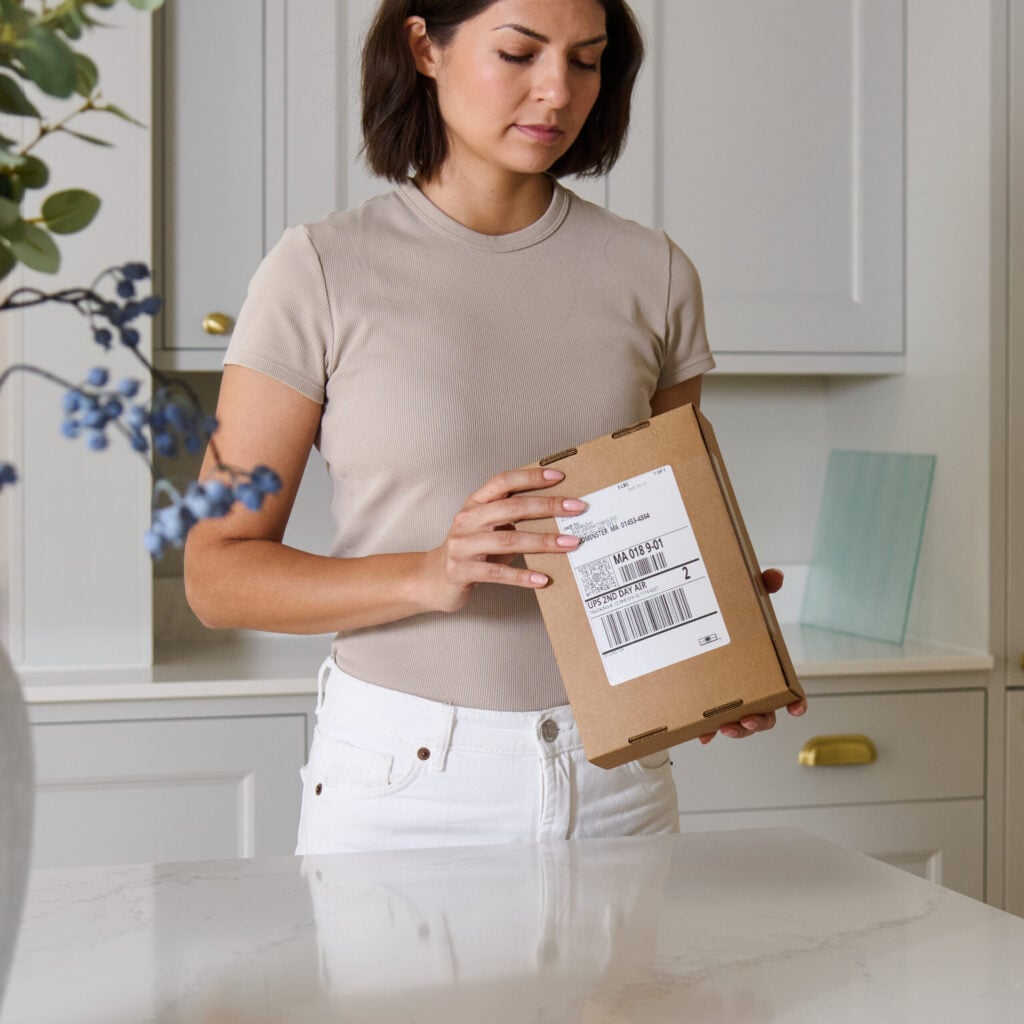
Orders of $100 or more ship free, and orders under $100 ship for an $8 flat rate. Every kit comes with a prepaid return label, so sending your sample back costs nothing extra.

Silver samples hold up well in transit. If you are near Leominster, you can also hand deliver your sample to our lab.

Tested in Our Accredited Lab

We analyze your sample in our accredited lab, using established testing methods and quality controls.

We have tested water since 1995.

Free Expert Consultation

Every test includes a free consultation with one of our water experts. We go over your results with you, explain what the numbers mean for your home, and help you decide on the appropriate next step, including any filtration approach.

Order Kit

Ships free to your door
Collect Sample

Takes under 5 minutes

Ship to Lab

Free return shipping

Get Results

Expert Consultation

Order Kit

Ships free to your door

Collect Sample

Takes under 5 minutes

Ship to Lab

Free return shipping

Get Result

Expert Consultation

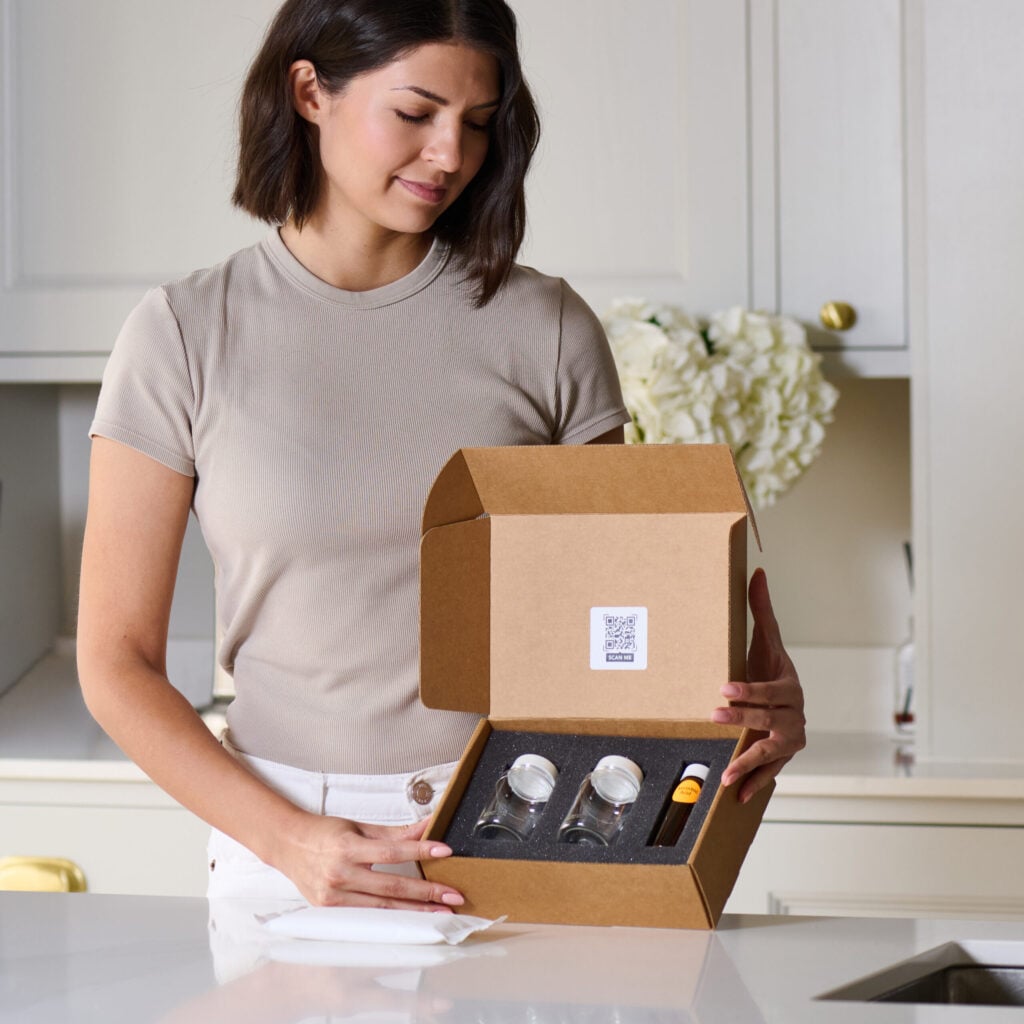
What’s Inside Your Testing Kit?

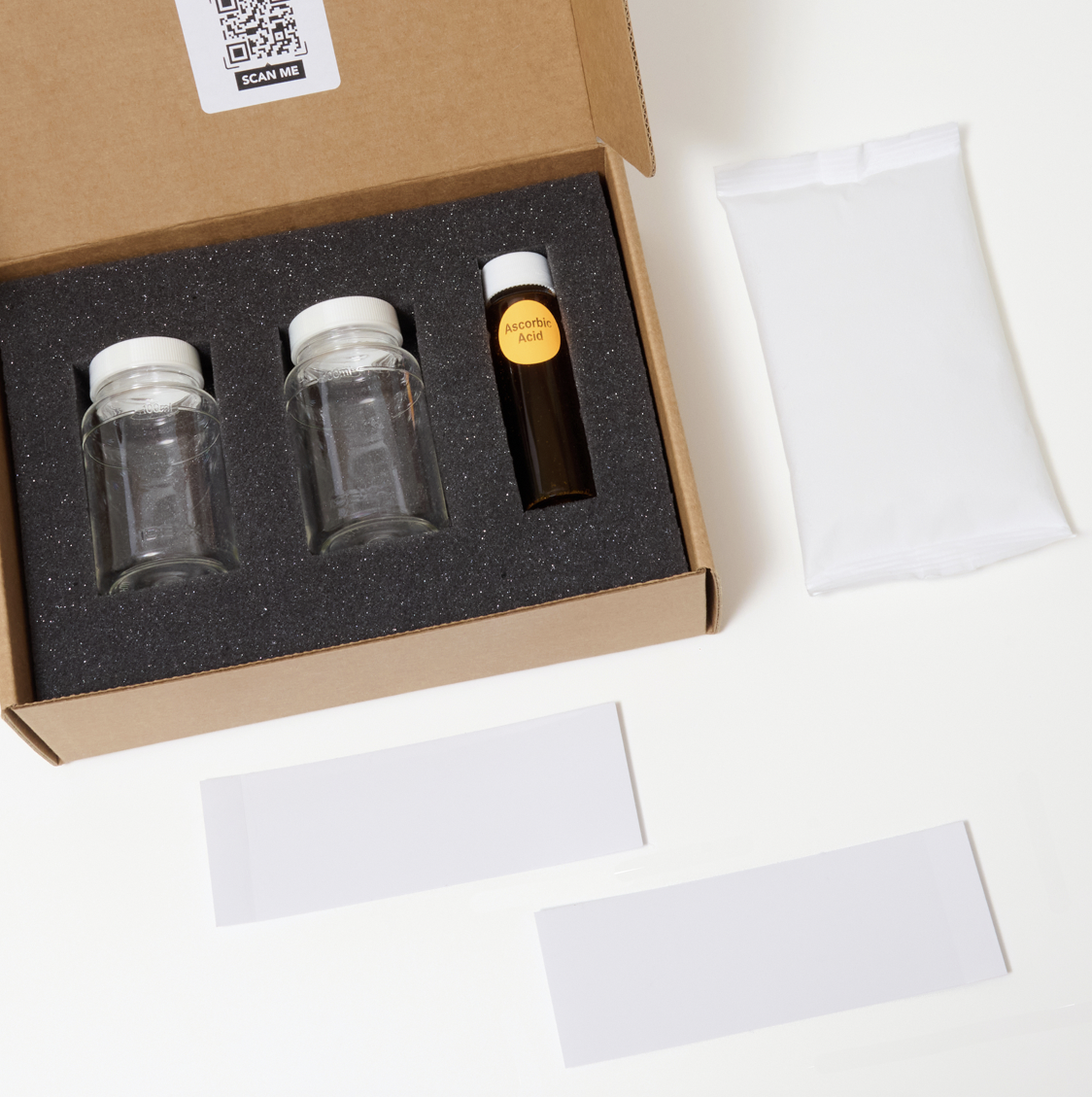
Sampling Instructions

Every test comes with step-by-step instructions on how to prepare your water source, collect your water sample, and prepare your sample for return shipment to our lab.

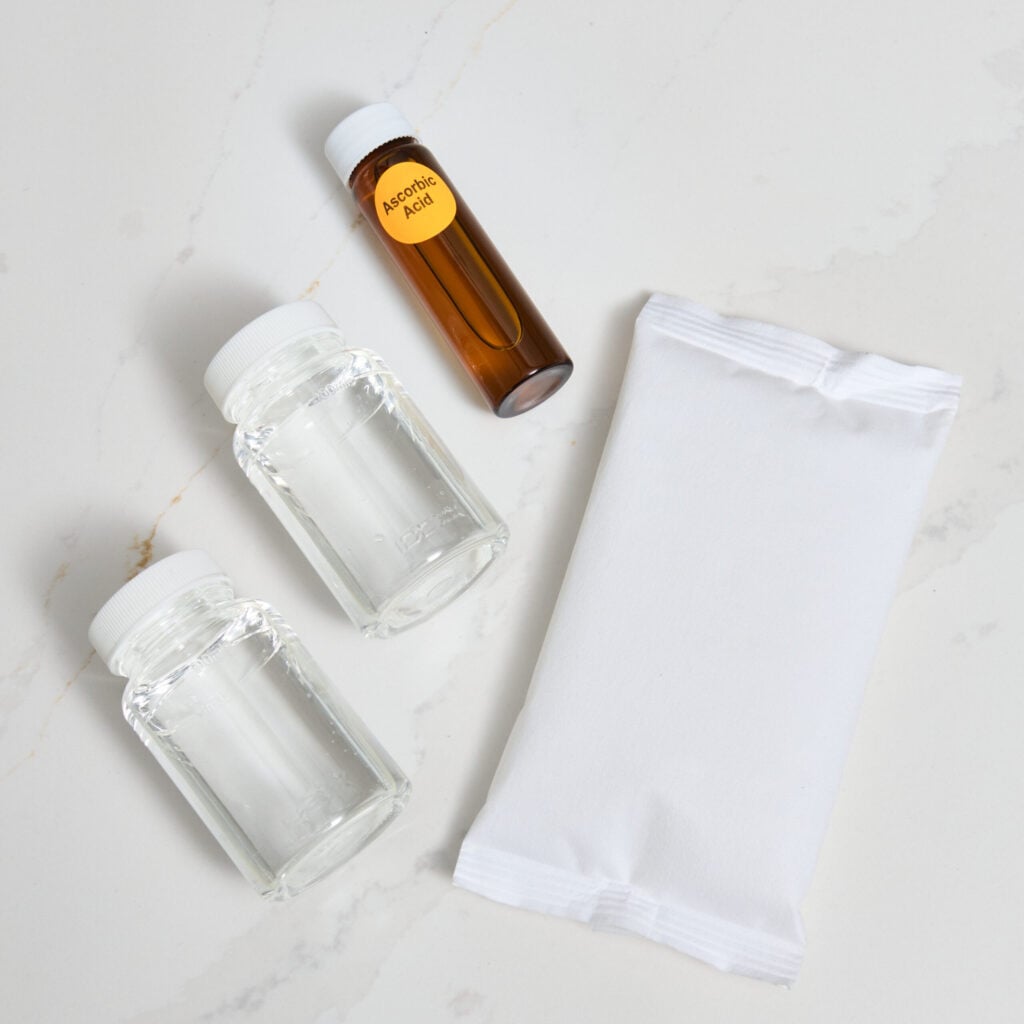
Collection Bottles

The appropriate sample containers are provided with sterility and sample volume requirements taken into consideration.

Sample Information Form

A short form to fill out with basic information about your water source. This helps our lab technicians process your results accurately.

Prepaid Shipping Label

A pre-paid return shipping label is included — just drop the sealed package in any mailbox or hand it to your mail carrier. No extra cost.

Our Reviews

★★★★★
ANGI

“The test was simple—collect a water sample from a faucet in the home. We sent the test to the lab and received a water quality analysis within a few days. The test included analysis of the water sample for the presence of: coliform bacteria, E. coli, iron, lead, pH, turbidity, and nitrates/nitrites.”

Taylor L.

★★★★★
TRUSTPILOT

“Incredible lab, they really care about their customers. As someone who doesn’t know a whole lot about water quality, they took their time to help me understand everything about my water quality situation.”

Brad R.

★★★★★
GOOGLE

“I’ve used ETR for several tests, both water and air. The test kits are easy to understand and the reports are very comprehensive. But what really makes them stand out is their quality of service. There is a lot of terminology in these reports that I don’t understand, but their staff is very knowledgeable and always available to assist. They really take their time to review the results with you on the phone, and answer any questions you may have.”

John T.

4.8

Average Rating

across all platforms

500K+

Water Tests Sold

nationwide since 1995

342+

Reviews on Angi

verified homeowner reviews

Why Choose ETR Labs to Test Your Water

Results You Can Trust

Accuracy is at the core of everything we do, and through strict quality standards and a commitment to scientific excellence, we deliver results you can trust.
 

No Middleman

We run every test inside our own lab in Leominster, Massachusetts. Your results come straight from us, not a subcontractor. That keeps our pricing fair and our quality consistent across every kit we send out.

Free Follow-Up Consultations

Most labs stop at handing you a report. We do not. Every result comes with a free call to one of our water quality experts, so you understand what your numbers mean and what to do next.

Respected Name in the Water Industry

ETR Laboratories has run water tests for over 30 years. We hold membership in the national Water Quality Association and the Massachusetts Ground Water Association.

We're Trusted by Our Customers

Our reviews reflect the work we do. We hold a 4.8 out of 5 rating on Google, a 4.8 out of 5 rating on Angi from 342 reviews, and five-star ratings on Trustpilot.

Our Recommended Test

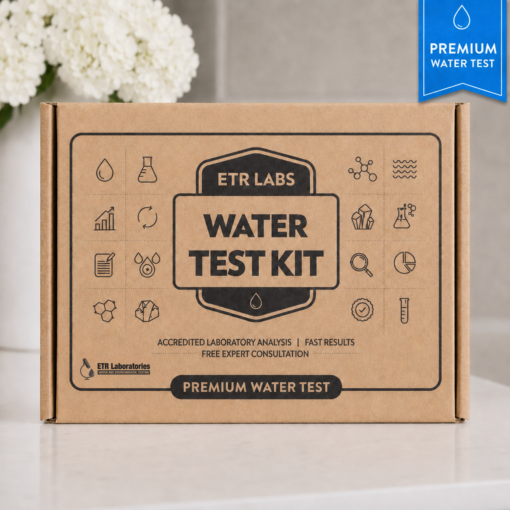
We recommendPremium Water Test

Premium Water Test

Our Premium Water Test screens your water for 113 substances in one round, including bacteria, radon, heavy metals, and industrial chemicals, providing homeowners and landlords with a thorough assessment for peace of mind. We have run…

  • Bacteria
  • Radon
  • Heavy Metals
  • Industrial Chemicals
  • Minerals & Water Attributes
$249.00

FAQs

Is silver in drinking water harmful?

At the low levels found in most drinking water, silver does not appear to cause harm. Heavy, long-term intake can lead to argyria, a permanent blue-gray coloring of the skin and eyes. Very high doses of some silver compounds may irritate the stomach or affect other organs. People who also take colloidal silver products add to their total intake, which is worth keeping in mind.

How much silver in water is too much?

The EPA guideline for silver in drinking water is 0.1 mg/L. It is a secondary guideline, set mainly to prevent argyria, and it is not enforceable. A result below it is typical for tap and well water. A result above it is a reason to find the source, such as a filter or nearby industry, rather than a sign of immediate danger.

What does adding silver to water do?

Silver slows the growth of bacteria, algae, and fungi, which is why some carbon filters, storage tanks, and hospital water systems use it. It works best as a preservative inside filters and tanks. Silver acts slowly, and the World Health Organization notes that it is not effective enough to serve as a main drinking water disinfectant on its own.

What is argyria?

Argyria is a condition in which silver builds up in the body and turns the skin, eyes, or gums a blue-gray color. It usually follows years of heavy exposure, often from colloidal silver supplements or workplace contact. The color change is generally permanent. The EPA's 0.1 mg/L silver guideline is set mainly to prevent it, and your result shows how far your water sits from that line.

Can a water filter add silver to my water?

Yes, some can. Filters that use silver-impregnated carbon may release a small amount into the treated water, especially when the cartridge is new. The amount is usually low. Results from the treated tap and an untreated tap show how much your filter adds, and cartridge changes on schedule keep that release low.

Does boiling remove silver from water?

No. Boiling does not remove silver or other dissolved metals. As water evaporates, the metal stays behind, so boiling can slightly raise the level in what is left. If your result is high, the first step is to find the source. Our team can walk you through your number and the options that fit your water.

Is silver common in tap and well water?

No. Natural silver levels in drinking water are usually very low, because silver does not dissolve easily from rock and soil. Higher readings tend to point to a nearby source, such as a landfill, mining area, or industrial site, or to treatment equipment that uses silver. City water systems are generally not required to test for silver, since the EPA guideline is not enforceable. A test at your tap is how you learn your own level.

Should I test for other metals along with silver?

Often, yes. Sources that release silver, such as mining waste, landfills, and electronics or photo processing, tend to release other metals as well. Lead, arsenic, and copper are common companions near those sites. Our Heavy Metals Water Test measures silver alongside them in one sample, which helps if you are not sure what a nearby site handled. If your only concern is a silver-treated filter, this single test covers it.

Statement of Confidentiality

No shared results. Our laboratory holds our clients privacy to the highest regard, your results and information will never be shared. Be aware that state certified laboratories may be required to report your results to various government agencies.