Free Shipping on Orders of $100 or More
$50.00
This test measures total phosphorus in water, counting dissolved, organic, and particle-bound forms together in one number. Phosphorus feeds algae, so even small amounts can turn a pond or lake green. Lake associations, pond owners, farms, and golf courses use it to track runoff and nutrient load, and homeowners use it when water looks cloudy or a treatment system is underperforming.
One sample is a snapshot. Phosphorus changes with rain, season, and lake turnover, so the most useful picture comes from testing the same spot over time, or above and below a suspected source. Sampling at the same time of day and the same depth makes your numbers easier to compare from one visit to the next.
Phosphorus is a nutrient plants and algae need. In clean lakes and streams it is usually scarce, and that keeps algae in check.
Here are the main sources that add more:
Extra phosphorus can feed fast algae growth, called eutrophication. A lake can stay green for years because phosphorus settles into bottom sediment and is released again. The USGS overview of phosphorus and water explains how modest increases shift a lake's balance, and our O-Phosphate Water Test measures the dissolved form alone.
T-Phosphorus gives you the full nutrient load in a sample, so it suits anyone managing a pond, lake, or stream. Lake associations use it to track water quality over time, and pond owners use it when algae keeps coming back.
It also helps if you are tracking fertilizer runoff from lawns, farms, or golf courses, or if you suspect a nearby septic system is leaking nutrients into surface water.
Homeowners use it as well. Excess phosphorus can make water treatment less effective and leave water cloudy or off-tasting, and a total number helps explain why. Researchers, students, and consultants order it when a project calls for documented phosphorus results from a specific site.
Shipping costs $8 on orders under $100 and nothing on orders of $100 or more. We prepay your return postage. If you are sampling a lake or stream at several points, ordering multiple kits together is an easy way to reach free shipping, and shipping them all the same day keeps your results comparable.
We analyze your sample in our accredited lab, using established testing methods and quality controls.
We have tested water since 1995.
Every test includes a free consultation with one of our water experts. We go over your results with you, explain what the numbers mean for your home, and help you decide on the appropriate next step, including any filtration approach.

Ships free to your door
Takes under 5 minutes
Free return shipping
Expert Consultation

Ships free to your door

Takes under 5 minutes

Free return shipping

Expert Consultation
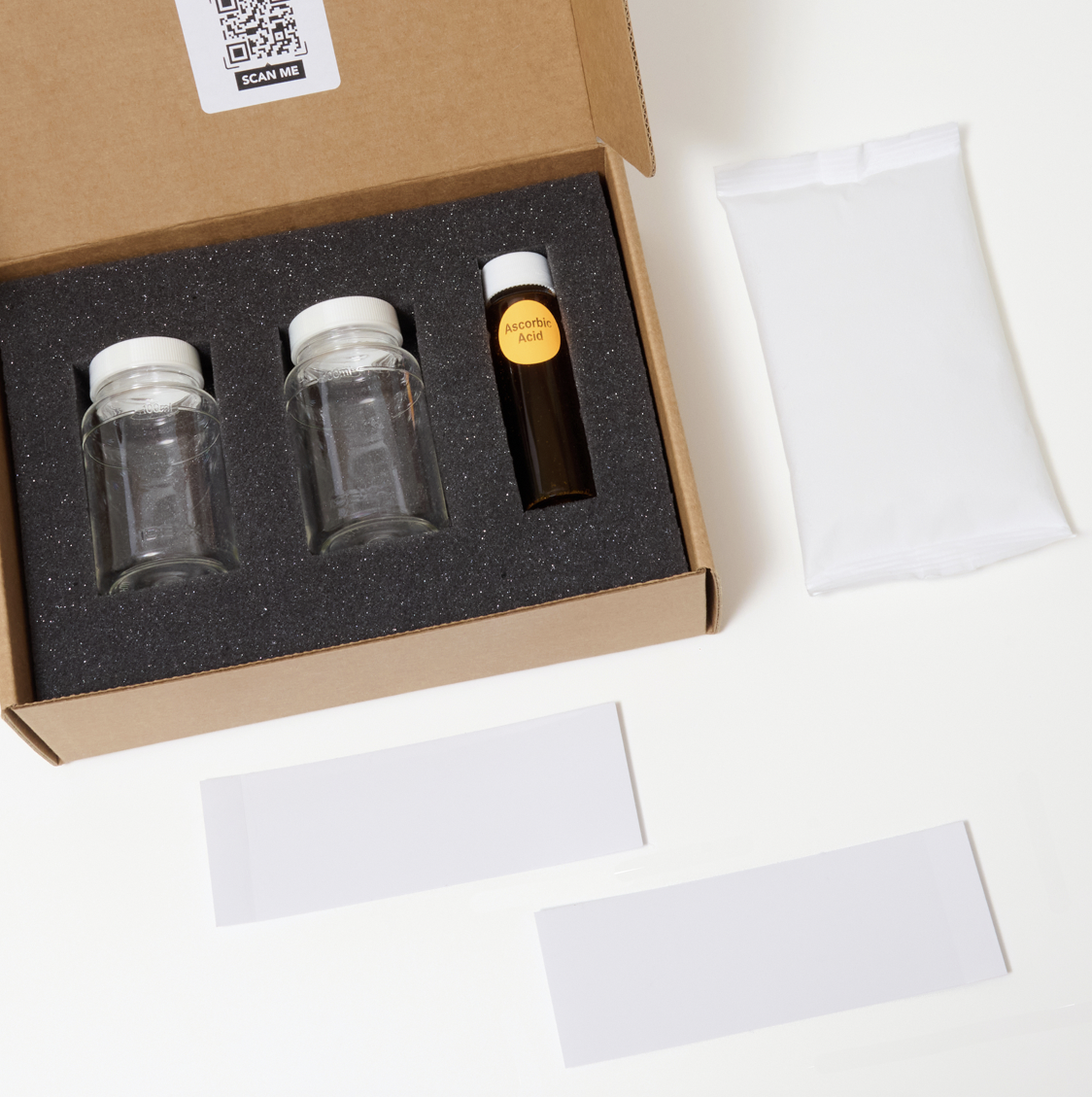
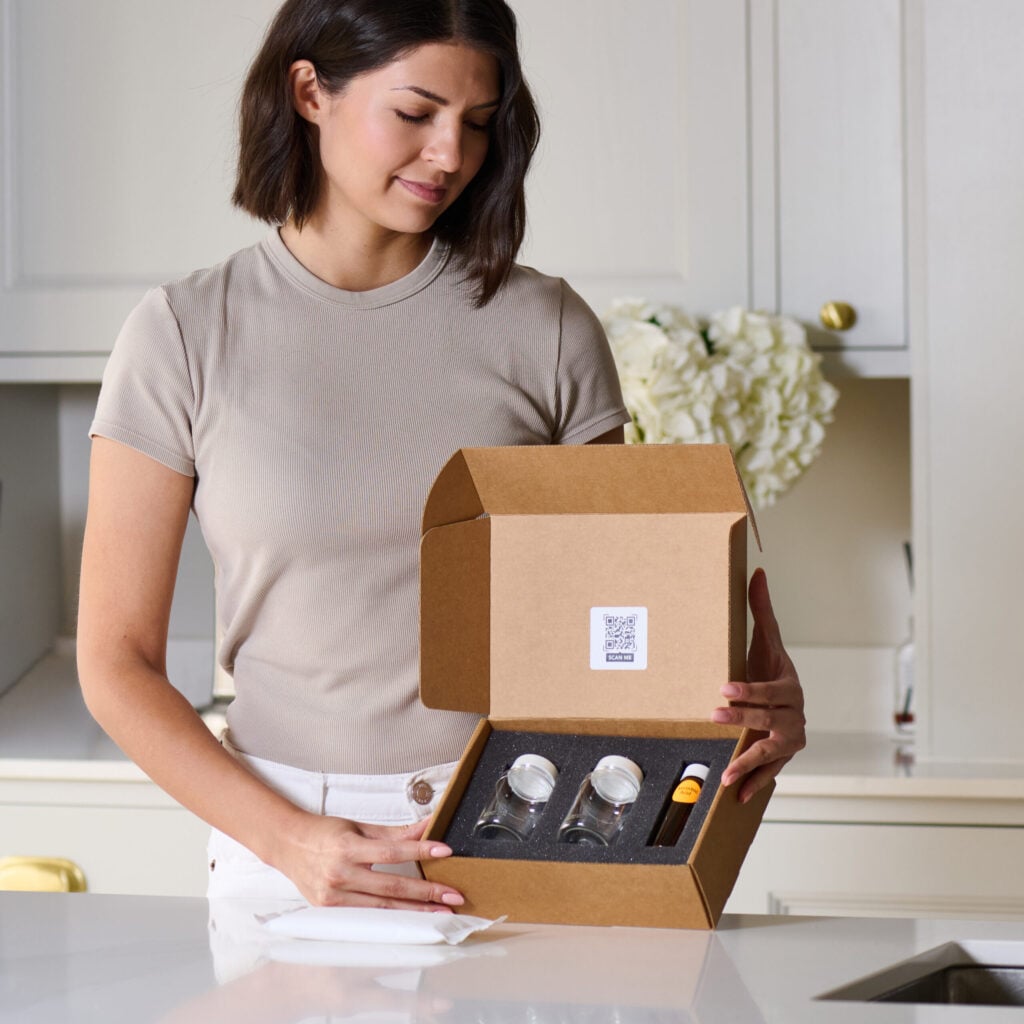
Every test comes with step-by-step instructions on how to prepare your water source, collect your water sample, and prepare your sample for return shipment to our lab.
The appropriate sample containers are provided with sterility and sample volume requirements taken into consideration.
A short form to fill out with basic information about your water source. This helps our lab technicians process your results accurately.
A pre-paid return shipping label is included — just drop the sealed package in any mailbox or hand it to your mail carrier. No extra cost.
“The test was simple—collect a water sample from a faucet in the home. We sent the test to the lab and received a water quality analysis within a few days. The test included analysis of the water sample for the presence of: coliform bacteria, E. coli, iron, lead, pH, turbidity, and nitrates/nitrites.”
Taylor L.
“Incredible lab, they really care about their customers. As someone who doesn’t know a whole lot about water quality, they took their time to help me understand everything about my water quality situation.”
Brad R.
“I’ve used ETR for several tests, both water and air. The test kits are easy to understand and the reports are very comprehensive. But what really makes them stand out is their quality of service. There is a lot of terminology in these reports that I don’t understand, but their staff is very knowledgeable and always available to assist. They really take their time to review the results with you on the phone, and answer any questions you may have.”
John T.
4.8
Average Rating
across all platforms
500K+
Water Tests Sold
nationwide since 1995
342+
Reviews on Angi
verified homeowner reviews
We run every test inside our own lab in Leominster, Massachusetts. Your results come straight from us, not a subcontractor. That keeps our pricing fair and our quality consistent across every kit we send out.
Most labs stop at handing you a report. We do not. Every result comes with a free call to one of our water quality experts, so you understand what your numbers mean and what to do next.
ETR Laboratories has run water tests for over 30 years. We hold membership in the national Water Quality Association and the Massachusetts Ground Water Association.
Our reviews reflect the work we do. We hold a 4.8 out of 5 rating on Google, a 4.8 out of 5 rating on Angi from 342 reviews, and five-star ratings on Trustpilot.

Our Premium Water Test screens your water for 113 substances in one round, including bacteria, radon, heavy metals, and industrial chemicals, providing homeowners and landlords with a thorough assessment for peace of mind. We have run…
At typical levels, no. Phosphorus in drinking water is rarely a direct health concern for healthy people, and most of your intake comes from food. People with advanced kidney disease are often told to limit phosphorus, though water usually adds very little. The bigger issue with high phosphorus is its effect on algae in surface water and on treatment performance.
For drinking water, there is no federal limit, and phosphorus is rarely a direct health concern. For ponds and lakes, the answer depends on the water body, since many states set their own nutrient targets. Even modest increases can tip a clear lake toward algae, so comparing your number with your state's target over time is the clearest guide.
Warm water, long days, and extra nutrients are the usual mix. Algae grow fastest in summer heat, and phosphorus is often the nutrient that decides how much they can grow. Fertilizer, goose and pet waste, and runoff from bare soil all add it. Phosphorus stored in bottom sediment can also be released when the water warms. Testing in spring and again in summer shows how much nutrient your pond is carrying.
It can help fuel them. Phosphorus does not make toxins itself, but it feeds cyanobacteria, also called blue-green algae, and some types can produce toxins harmful to people, pets, and livestock. When large blooms die, the bacteria that break them down use up oxygen, which can stress or kill fish. Not every bloom is toxic, and you cannot tell by looking, so keeping people and animals out until it clears is a sensible precaution.
Choose T-Phosphorus for the full nutrient load, including phosphorus bound to particles and organic matter. Choose O-Phosphate if you only need the dissolved form that algae use first, or if you want to check a utility's corrosion control. Many lake and pond projects order both, since together they show how much phosphorus is available now and how much is in reserve.
Start by cutting the sources. Using less fertilizer near the water, letting a strip of native plants grow along the shore, keeping pets and livestock out, and servicing nearby septic systems all help. Some pond owners also use phosphorus-binding products, but those work best once inputs are under control. Testing before and after changes shows whether your efforts are working.
Not always, but it can be a clue. Soil tends to bind phosphorus tightly, so groundwater usually carries very little. A higher reading in a well may point to a nearby septic system, manure, or fertilizer, especially in sandy soil or a shallow well. Some areas also have phosphate-rich rock that adds a natural amount. Pairing the result with nitrate and bacteria tests helps show whether waste is reaching your well, and it saves a second round of sampling.
A few times a year gives a useful picture. Many lake programs sample in spring, once the water mixes after winter, and then about monthly through the summer growing season. Extra samples after heavy rain show how much runoff adds. For a backyard pond, testing in spring and again at the height of summer is often enough to spot a trend. A yearly record also shows whether shoreline plantings or less fertilizer are making a difference.
No shared results. Our laboratory holds our clients privacy to the highest regard, your results and information will never be shared. Be aware that state certified laboratories may be required to report your results to various government agencies.