
Free Shipping on Orders of $100 or More
$200.00
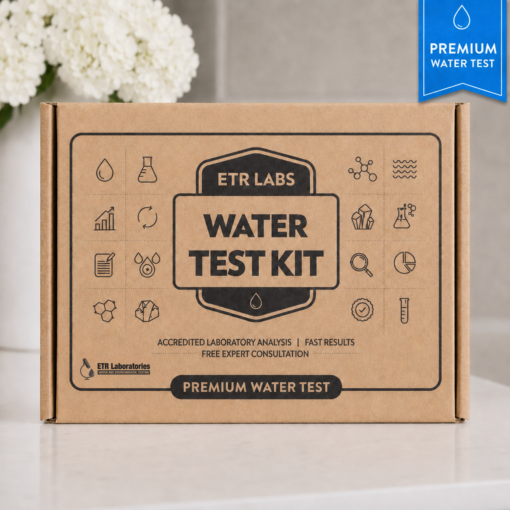
This VOC soil test checks your soil for volatile organic compounds, such as toluene, benzene, and trichloroethylene, that come from fuels, solvents, and degreasers. It suits property owners who suspect a fuel spill, a leaking underground tank, or past solvent use, and buyers looking at land near gas stations, auto shops, dry cleaners, or former industrial sites.
VOCs in soil can travel to groundwater and nearby wells, so a soil result often leads to a water question. Our Volatile Organic Compounds Drinking Water Test checks your well for the same fuel and solvent chemicals, which gives you both halves of the picture.
VOCs in soil are carbon-based chemicals that evaporate easily, such as benzene, toluene, and trichloroethylene (TCE). Some break down within months, while chlorinated solvents can linger for years. Here are the usual sources:
VOCs rarely stay put. Rain carries them toward groundwater, and vapors can rise into buildings above, a route the EPA calls vapor intrusion. Sandy soil lets them move faster than dense clay.
Consider this test if you suspect a fuel spill, a leaking underground or above-ground tank, or past solvent use on the property. A sweet or gasoline-like smell from freshly dug soil, stained ground, or dead patches of vegetation near an old tank are all signs worth following up.
It is often ordered near gas stations, auto repair shops, dry cleaners, and former factories, and by buyers who want a screening result before purchasing land with an unknown history.
If you plan to grow food in the soil, or your house sits over the area in question, a VOC result can help you decide whether a deeper investigation makes sense and which areas to sample next.
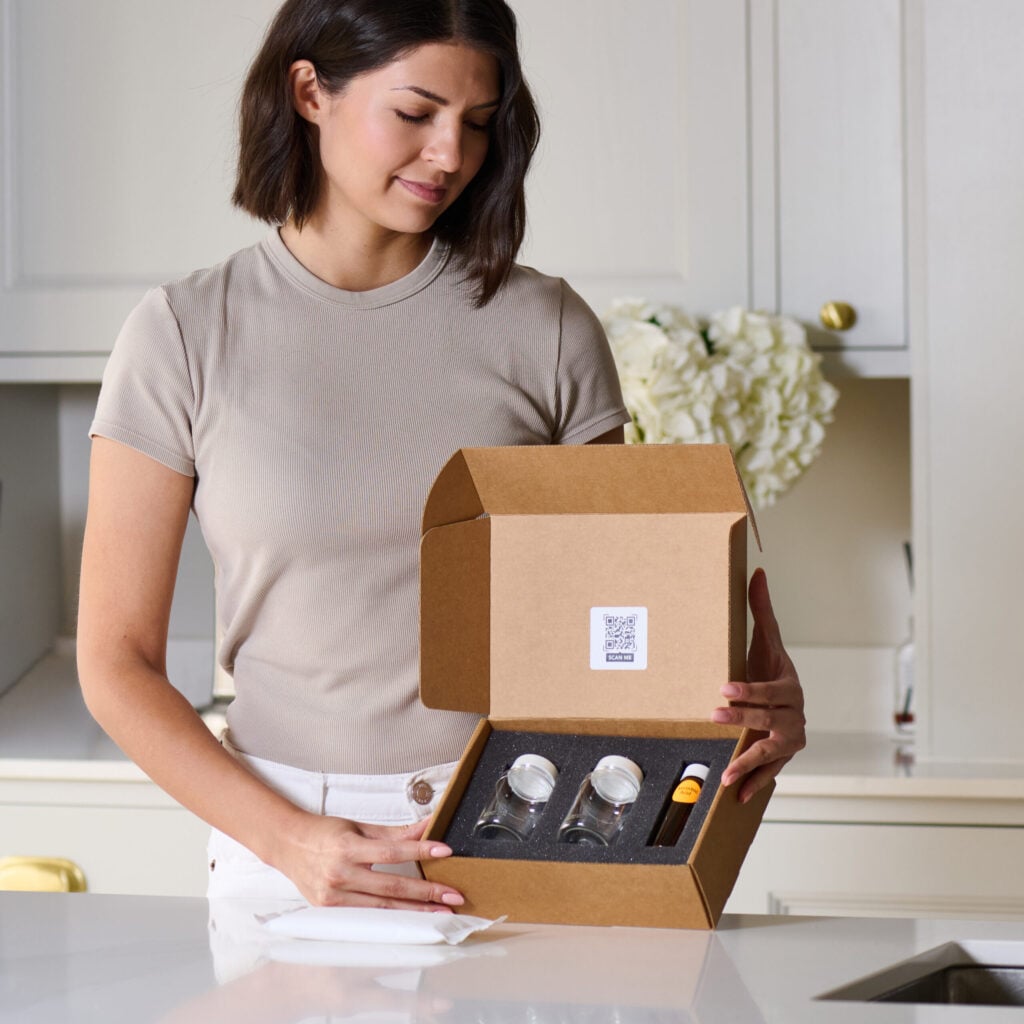
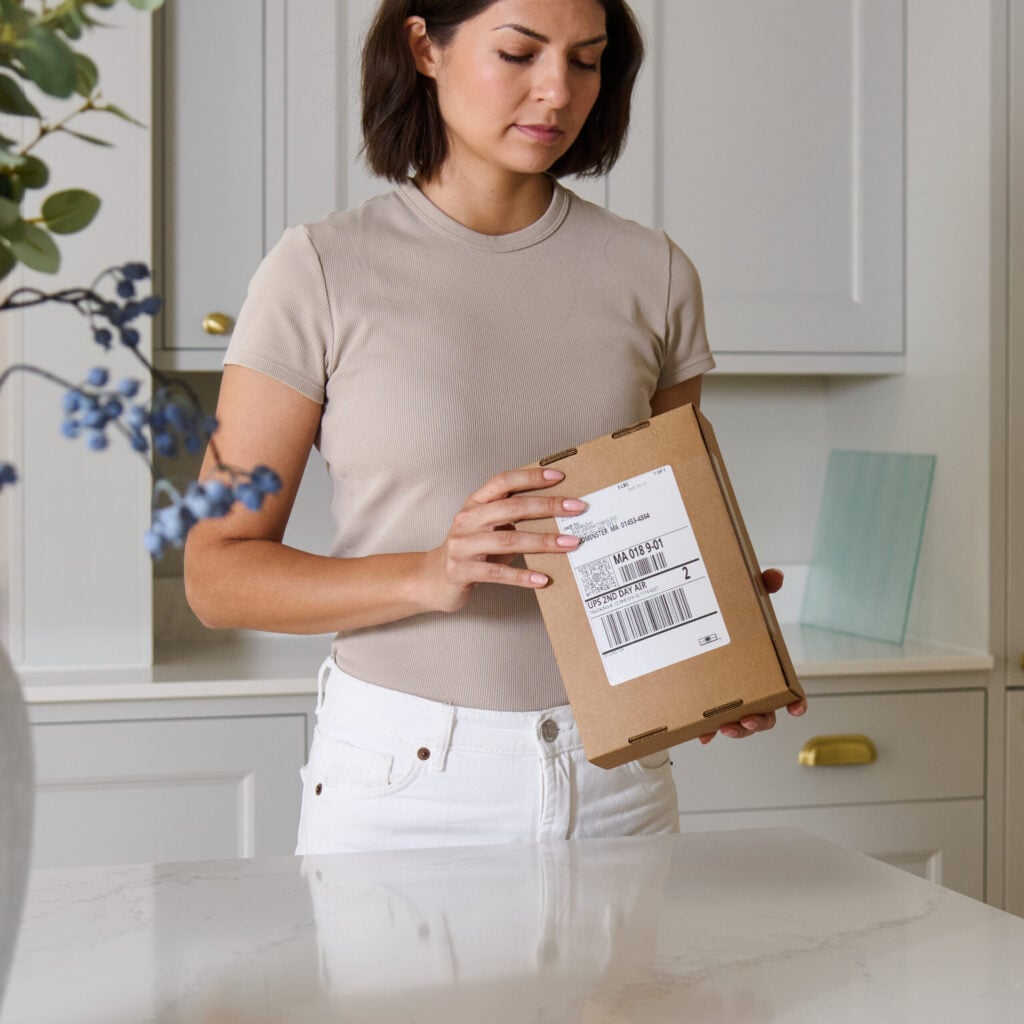
Orders of $100 or more ship free, and orders under $100 ship for an $8 flat rate. A prepaid return label comes with the kit. Ship the soil the day you collect it, so less of the volatile chemicals can escape before analysis.
We analyze your sample in our accredited lab, using established testing methods and quality controls.
We have tested water since 1995.
Every test includes a free consultation with one of our water experts. We go over your results with you, explain what the numbers mean for your home, and help you decide on the appropriate next step, including any filtration approach.

Ships free to your door
Takes under 5 minutes
Free return shipping
Expert Consultation

Ships free to your door

Takes under 5 minutes

Free return shipping

Expert Consultation
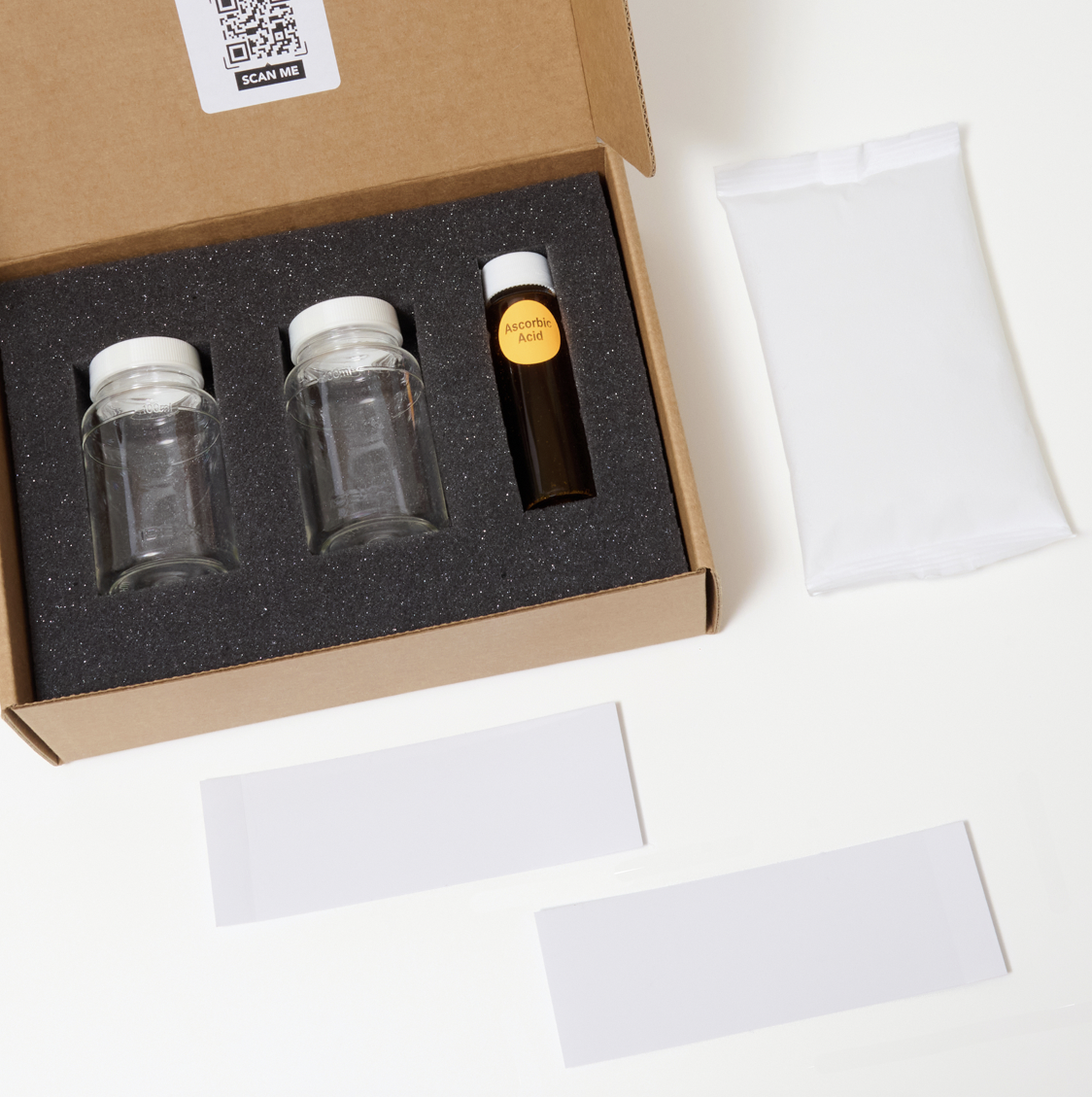
Every test comes with step-by-step instructions on how to prepare your water source, collect your water sample, and prepare your sample for return shipment to our lab.
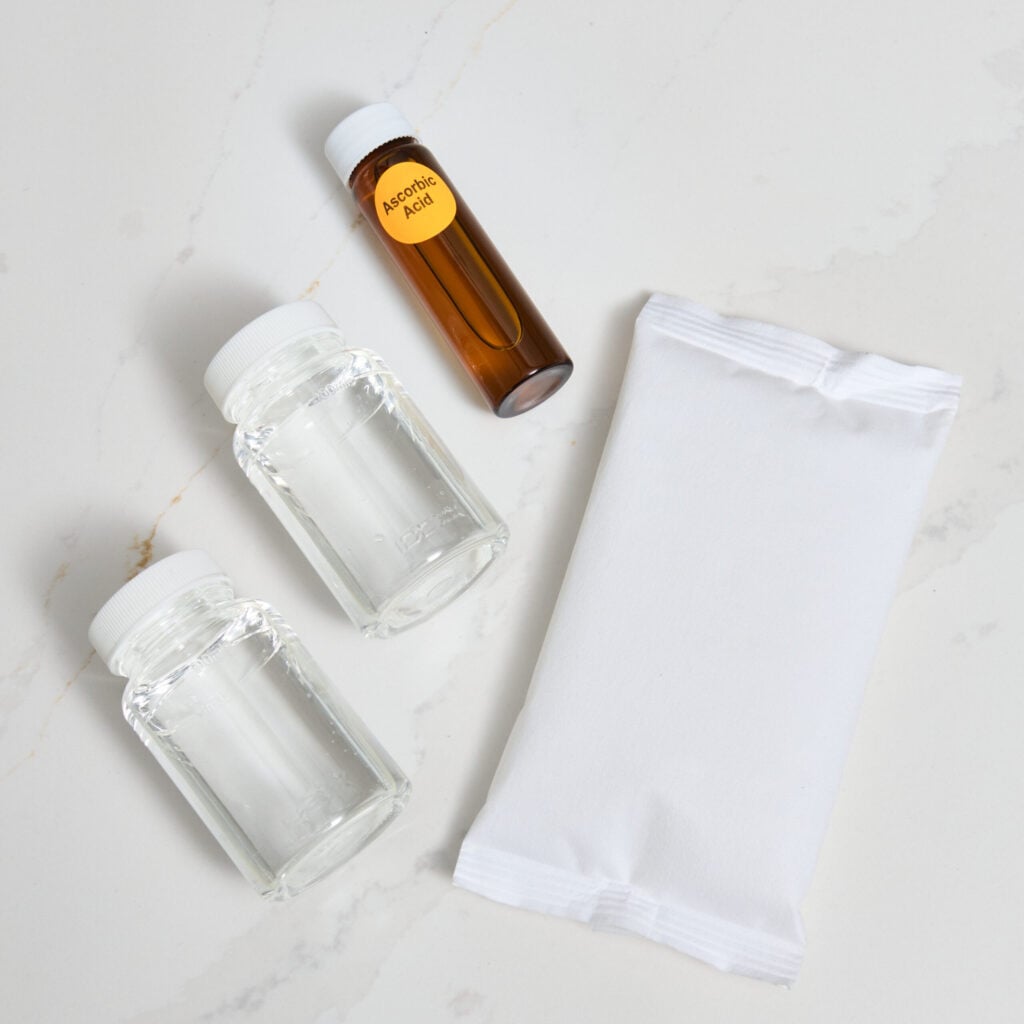
The appropriate sample containers are provided with sterility and sample volume requirements taken into consideration.
A short form to fill out with basic information about your water source. This helps our lab technicians process your results accurately.
A pre-paid return shipping label is included — just drop the sealed package in any mailbox or hand it to your mail carrier. No extra cost.
“The test was simple—collect a water sample from a faucet in the home. We sent the test to the lab and received a water quality analysis within a few days. The test included analysis of the water sample for the presence of: coliform bacteria, E. coli, iron, lead, pH, turbidity, and nitrates/nitrites.”
Taylor L.
“Incredible lab, they really care about their customers. As someone who doesn’t know a whole lot about water quality, they took their time to help me understand everything about my water quality situation.”
Brad R.
“I’ve used ETR for several tests, both water and air. The test kits are easy to understand and the reports are very comprehensive. But what really makes them stand out is their quality of service. There is a lot of terminology in these reports that I don’t understand, but their staff is very knowledgeable and always available to assist. They really take their time to review the results with you on the phone, and answer any questions you may have.”
John T.
4.8
Average Rating
across all platforms
500K+
Water Tests Sold
nationwide since 1995
342+
Reviews on Angi
verified homeowner reviews
We run every test inside our own lab in Leominster, Massachusetts. Your results come straight from us, not a subcontractor. That keeps our pricing fair and our quality consistent across every kit we send out.
Most labs stop at handing you a report. We do not. Every result comes with a free call to one of our water quality experts, so you understand what your numbers mean and what to do next.
ETR Laboratories has run water tests for over 30 years. We hold membership in the national Water Quality Association and the Massachusetts Ground Water Association.
Our reviews reflect the work we do. We hold a 4.8 out of 5 rating on Google, a 4.8 out of 5 rating on Angi from 342 reviews, and five-star ratings on Trustpilot.

Our Premium Water Test screens your water for 113 substances in one round, including bacteria, radon, heavy metals, and industrial chemicals, providing homeowners and landlords with a thorough assessment for peace of mind. We have run…
They can be, depending on the chemical, the level, and how people come into contact with it. Benzene is a known human carcinogen, and long-term exposure to TCE and PCE has been linked to liver, kidney, and nervous system effects. Until you have results, keeping children and pets away from the area and avoiding digging there is a sensible precaution. The main routes of exposure are vapors entering a home, contaminated well water, and direct contact while digging or gardening.
There is no single federal number. States set their own soil cleanup standards, and they vary by chemical and by land use, so a level acceptable at an industrial lot may be too high for a backyard or garden. A detection near a home, well, or food garden deserves a closer look even at low levels. We can talk through how your numbers compare with the standards where you live.
They can. Rain and snowmelt push dissolved VOCs downward, and once they reach groundwater, they can travel toward nearby wells. Chlorinated solvents are heavier than water and can sink deep into an aquifer. If your property uses a well near a spill, testing the water as well as the soil gives you the full picture.
It is a common and sensible reason to test. Older stations often had steel underground tanks that could corrode and leak, and small spills at the pump add up over time. Fuel compounds like benzene, toluene, and MTBE can spread through soil toward neighboring properties. Sampling near the property line, or a low spot where runoff collects, is a reasonable starting point.
Yes, through vapor intrusion. VOC vapors can rise from contaminated soil or groundwater and enter a building through foundation cracks, sump pits, and utility openings, much the way radon does. Basements and slab homes over a spill area are the most exposed. If soil results are high near your home, indoor air testing is often the next step. Sealing obvious cracks and openings in the foundation can also limit how much vapor gets inside.
Partly. A VOC test measures individual light compounds found in gasoline, such as benzene, toluene, ethylbenzene, and xylenes. Heavier fuels like diesel and heating oil are better measured as total petroleum hydrocarbons, a broader test of oil-range compounds. For a heating oil tank leak, ask us whether our Total Petroleum Hydrocarbons (TPH) Test would be a useful add-on.
It is a common and sensible step. Older underground and above-ground fuel tanks can leak slowly for years before anyone notices, and the soil around them may still hold contamination after the tank is gone. A VOC test of soil from the tank area shows whether gasoline compounds such as benzene and xylenes remain. For a heating oil or diesel tank, a petroleum hydrocarbon test may be a useful companion, since those fuels are heavier.
They can be. Young children play close to the ground, put their hands in their mouths and breathe faster than adults for their size, so they may take in more from contaminated soil and the vapors above it. Their bodies are also still developing. If kids play near an old tank, a spill site or a former industrial lot, testing that soil first is a reasonable way to find out what is there before it becomes a play area.
No shared results. Our laboratory holds our clients privacy to the highest regard, your results and information will never be shared. Be aware that state certified laboratories may be required to report your results to various government agencies.