Free Shipping on Orders of $100 or More
$75.00
Our Phenols Water Test checks for phenols in water, a family of chemicals used in disinfectants, dyes, plastics, wood preservatives and pesticides. Phenols can reach wells and surface water from industrial waste, farm runoff and household products. People often test after noticing a medicinal or antiseptic taste, or when they live near a chemical plant, wood treatment site or heavily farmed land.
A taste problem does not always mean a health problem, but it is a good reason to find out what is behind it. Chlorophenols can be tasted at very low levels, so the medicinal flavor often shows up long before amounts reach a level of health concern. Phenols can come and go with spills or seasonal runoff, so a repeat test helps confirm a first result.
Phenols are a family of chemicals built on a benzene ring, including phenol, cresols, and chlorophenols. Industry uses them to make plastics, resins, drugs, and disinfectants.
Here are the common sources in water:
Phenols dissolve fairly easily, so a spill or leak can travel through groundwater toward nearby wells. Limits for related compounds appear in the EPA national drinking water regulations, and our Semi-Volatile Organic Compounds Water Test gives a compound-by-compound look.
Consider this test if your chlorinated tap water has picked up a medicinal, antiseptic or bandage-like taste or smell. That flavor is one of the more common clues that phenols are reacting with chlorine somewhere in the system.
Location is another reason. Homes near chemical plants, wood treatment yards, stacks of treated railroad ties or utility poles, landfills, or heavily farmed land may face a higher chance of phenols in well water.
It can also help if you are choosing a filter and want to know whether phenols are part of what you need to remove, or if a neighbor's well has turned up industrial chemicals. A clean result can also give you peace of mind before buying a home near those sites.
Orders of $100 or more ship free, and smaller orders ship for an $8 flat rate. The prepaid return label is in your kit. Pairing this test with a related one, such as our VOC test, often brings an order to the free shipping line. Please collect and ship as soon as possible after sampling so it arrives fresh.
We analyze your sample in our accredited lab, using established testing methods and quality controls.
We have tested water since 1995.
Every test includes a free consultation with one of our water experts. We go over your results with you, explain what the numbers mean for your home, and help you decide on the appropriate next step, including any filtration approach.

Ships free to your door
Takes under 5 minutes
Free return shipping
Expert Consultation

Ships free to your door

Takes under 5 minutes

Free return shipping

Expert Consultation
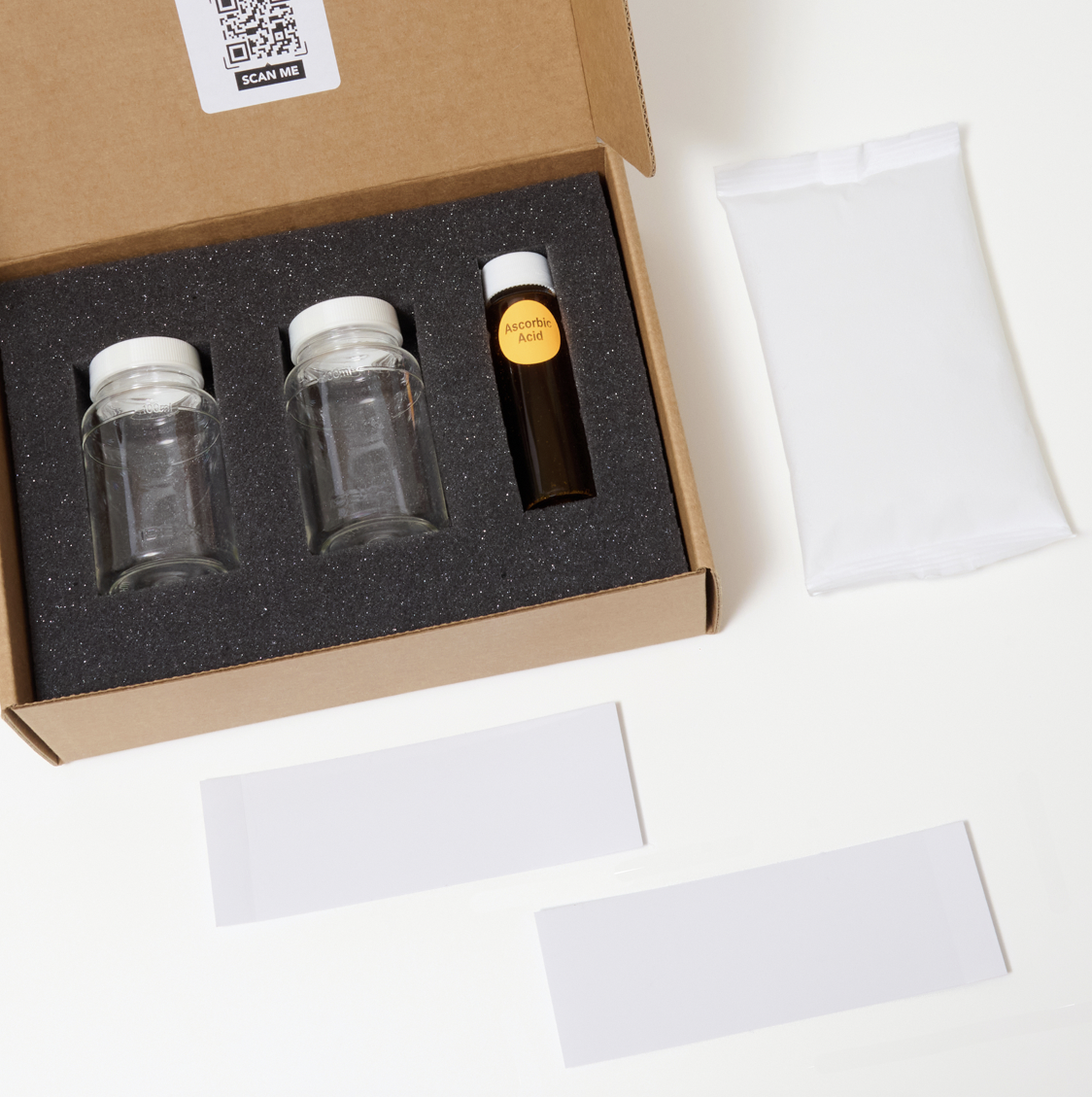
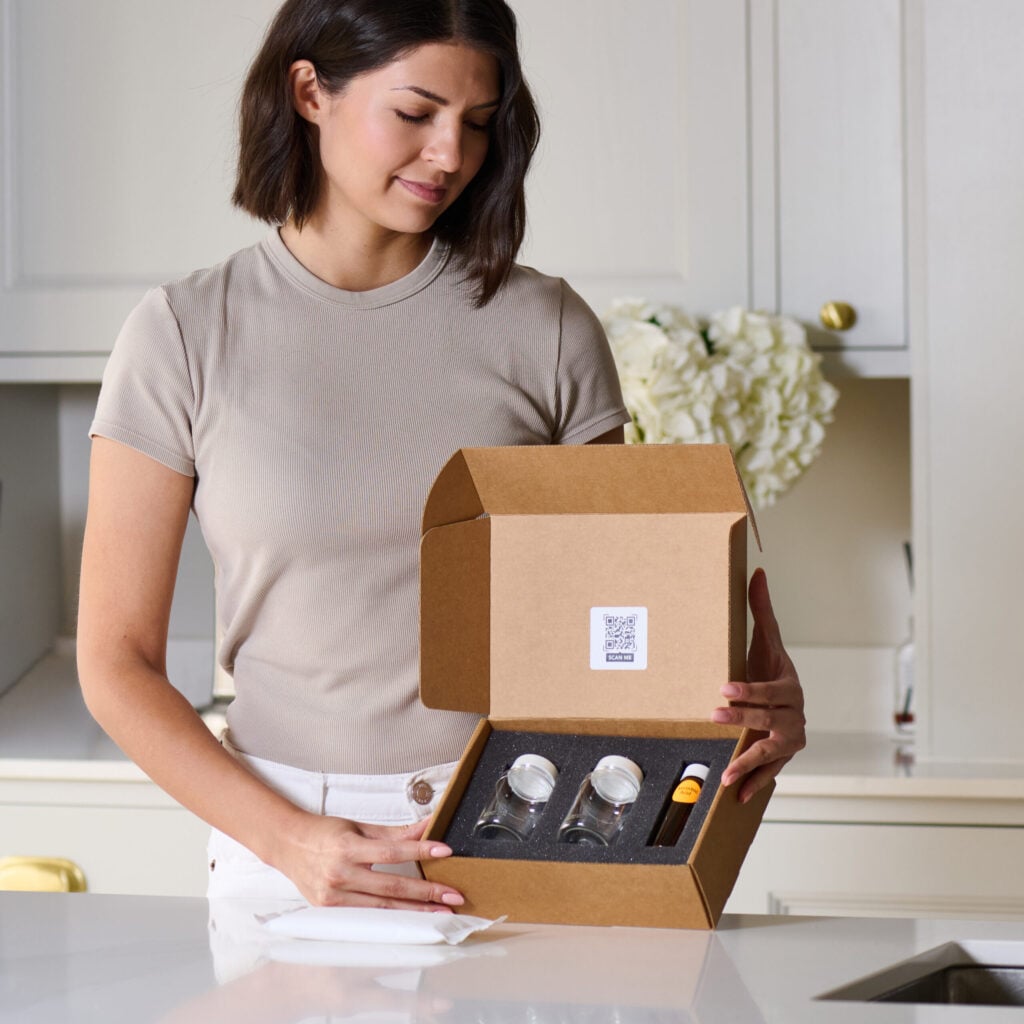
Every test comes with step-by-step instructions on how to prepare your water source, collect your water sample, and prepare your sample for return shipment to our lab.
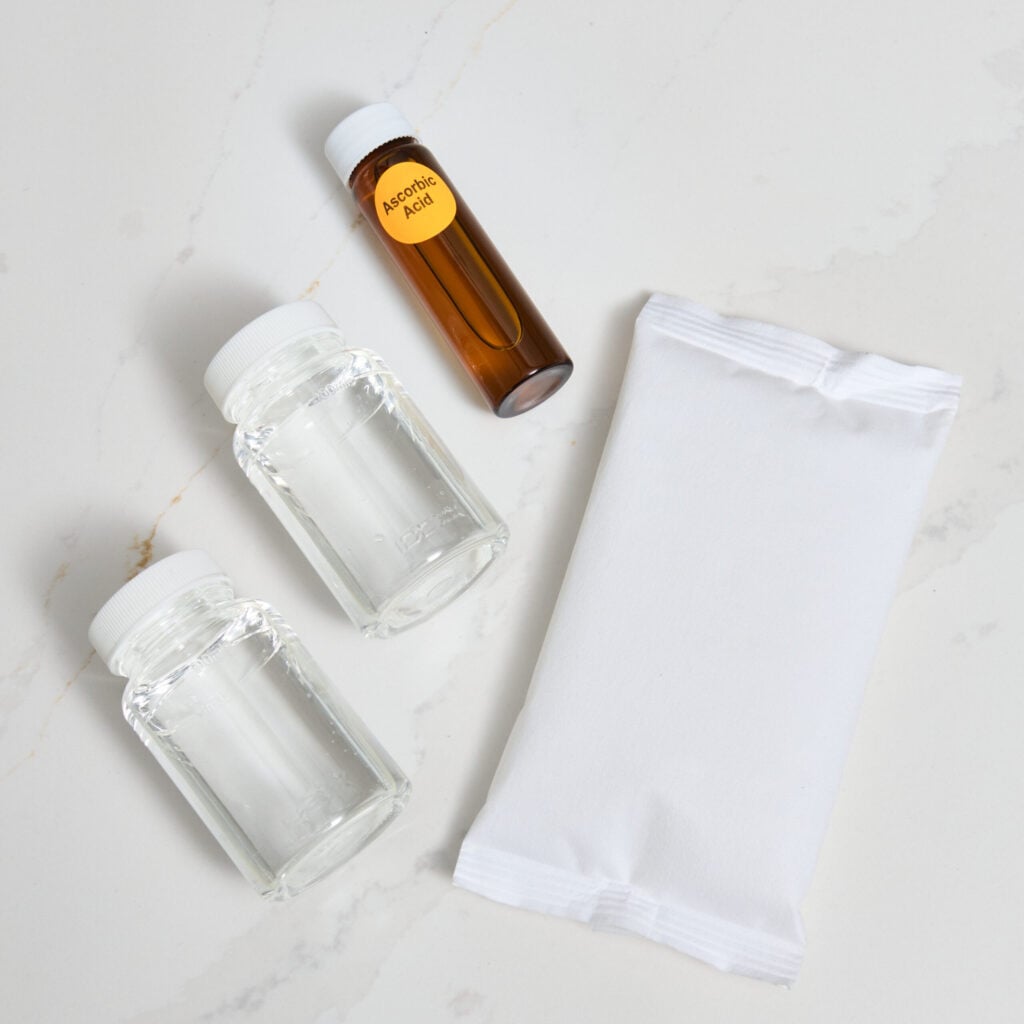
The appropriate sample containers are provided with sterility and sample volume requirements taken into consideration.
A short form to fill out with basic information about your water source. This helps our lab technicians process your results accurately.
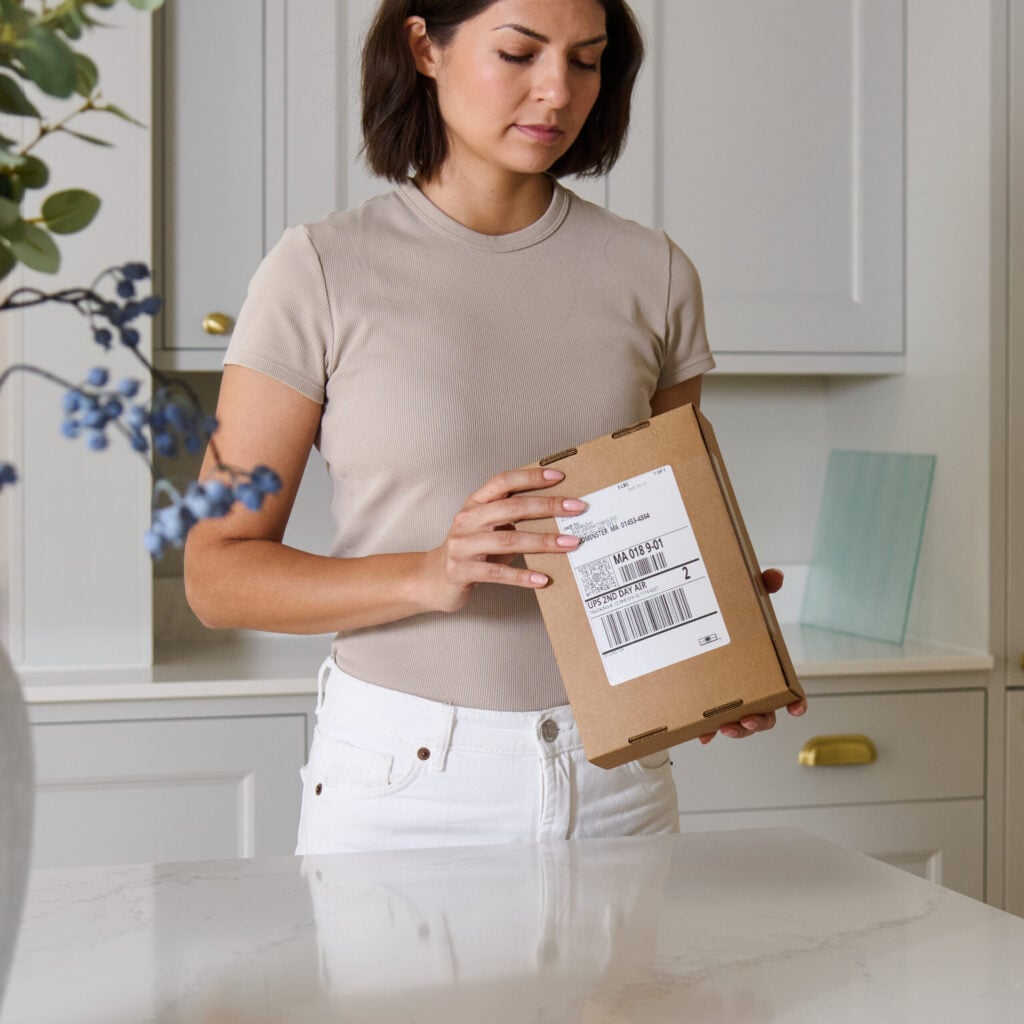
A pre-paid return shipping label is included — just drop the sealed package in any mailbox or hand it to your mail carrier. No extra cost.
“The test was simple—collect a water sample from a faucet in the home. We sent the test to the lab and received a water quality analysis within a few days. The test included analysis of the water sample for the presence of: coliform bacteria, E. coli, iron, lead, pH, turbidity, and nitrates/nitrites.”
Taylor L.
“Incredible lab, they really care about their customers. As someone who doesn’t know a whole lot about water quality, they took their time to help me understand everything about my water quality situation.”
Brad R.
“I’ve used ETR for several tests, both water and air. The test kits are easy to understand and the reports are very comprehensive. But what really makes them stand out is their quality of service. There is a lot of terminology in these reports that I don’t understand, but their staff is very knowledgeable and always available to assist. They really take their time to review the results with you on the phone, and answer any questions you may have.”
John T.
4.8
Average Rating
across all platforms
500K+
Water Tests Sold
nationwide since 1995
342+
Reviews on Angi
verified homeowner reviews
We run every test inside our own lab in Leominster, Massachusetts. Your results come straight from us, not a subcontractor. That keeps our pricing fair and our quality consistent across every kit we send out.
Most labs stop at handing you a report. We do not. Every result comes with a free call to one of our water quality experts, so you understand what your numbers mean and what to do next.
ETR Laboratories has run water tests for over 30 years. We hold membership in the national Water Quality Association and the Massachusetts Ground Water Association.
Our reviews reflect the work we do. We hold a 4.8 out of 5 rating on Google, a 4.8 out of 5 rating on Angi from 342 reviews, and five-star ratings on Trustpilot.

Our Premium Water Test screens your water for 113 substances in one round, including bacteria, radon, heavy metals, and industrial chemicals, providing homeowners and landlords with a thorough assessment for peace of mind. We have run…
They can be at high levels. Phenol can irritate the skin, eyes, and digestive tract and has been linked to liver damage and harm to red blood cells at high exposures. The low amounts sometimes found in drinking water are less studied, and effects depend on which phenol compound is present and for how long. If you have health concerns, sharing your result with your doctor is a good step.
There is no federal limit for total phenols in drinking water. The EPA does set a legal limit of 1 part per billion for one phenol, pentachlorophenol, a wood preservative. Other phenols have no federal number, so a detected result is best read as a reason to find the source and, near a wood treatment site, to consider a compound-level test.
A medicinal or antiseptic taste in chlorinated water often comes from chlorophenols. These form when chlorine reacts with phenols, and people can taste them at very low levels. The phenol may come from your source water or a nearby contamination source. A phenols test helps confirm whether this is the cause before you spend money on treatment.
It is a sensible precaution, especially if your well is downhill or close by. Landfill leachate, the liquid that seeps through buried waste, can carry phenols, metals, and other chemicals into groundwater. Problems may take years to reach a well, so a baseline result now makes later changes easy to spot. A phenols test is a good start, and a broader panel adds metals and other organic chemicals.
BPA belongs to the phenol family, but this test looks at phenols as a group and may not single it out. If you need BPA or triclosan measured on their own, please contact us before you order so we can suggest the right analysis. Knowing the specific compound also helps when you compare your result with health guidelines.
Often, yes, though it depends on the compound. Some treatment approaches reduce phenols and the medicinal taste of chlorophenols well, while others do little. The best choice depends on which phenols are present and at what level, so our free consultation helps you decide on the appropriate filtration approach. Retesting after a system is installed is the surest way to know it is working.
Boiling is not a dependable way to remove phenols. Some may escape with the steam, but others stay behind and can become more concentrated as water evaporates. The amount removed varies by compound, so you cannot count on it. If a test finds phenols, a treated or bottled source for drinking is a sensible short-term step while you look for the source. Our free consultation helps you decide on the appropriate filtration approach after that.
They can, though utilities treat their source water before it reaches you. A spill or industrial discharge upstream can carry phenols into a river or reservoir, and chlorine at the plant may turn them into chlorophenols with a medicinal taste. If your city water suddenly tastes like antiseptic, reporting it to your utility is a good first step. A tap test can help confirm the cause if the taste lingers after the utility responds.
No shared results. Our laboratory holds our clients privacy to the highest regard, your results and information will never be shared. Be aware that state certified laboratories may be required to report your results to various government agencies.