
Free Shipping on Orders of $100 or More
$300.00
This heavy metals soil test measures the 13 metals the EPA lists as priority pollutants, including lead, arsenic, cadmium, and mercury. Metals do not break down, so they can stay in soil for decades and move into vegetables or get tracked indoors. Gardeners, parents with young children, and anyone bringing in fill dirt or compost of unknown origin use it before they plant or play.
Metals leave no color or smell, so the history of your land counts more than how the soil looks today. Our lab result for all 13 metals at once saves you guessing which one to look for. It also gives you a baseline before you plant or build.
Heavy metals are elements such as lead, arsenic, cadmium, and mercury that do not break down, so they can stay in soil for decades. In residential soil, metals usually come from past use of the land rather than from nature.
Here are the usual sources:
Metals in soil can move into vegetables or get tracked indoors as dust. The EPA's lead information pages cover soil, paint, and dust in more detail.
A heavy metals soil test makes sense before you plant a vegetable garden, start growing crops to sell, or build a play area for children. Parents of young children often test bare spots where kids dig and play.
It is also worth ordering if your yard sits next to an older painted house, a busy road, or a spot where treated lumber or batteries were burned or stored.
It helps when you are buying land with an unknown past and want a baseline before you build or plant. Gardeners who bring in fill dirt or compost also use it before they grow food in it.
Orders of $100 or more ship free, and smaller orders pay an $8 flat rate. A prepaid return label is in the box. Soil samples for metals have no tight hold time, so a day or two in the mail will not affect your result, but we still suggest shipping as soon as possible after you collect.
We analyze your sample in our accredited lab, using established testing methods and quality controls.
We have tested water since 1995.
Every test includes a free consultation with one of our water experts. We go over your results with you, explain what the numbers mean for your home, and help you decide on the appropriate next step, including any filtration approach.
The EPA priority pollutant metals list includes these 13:
Soil metals are usually reported in milligrams per kilogram (parts per million).

Ships free to your door
Takes under 5 minutes
Free return shipping
Expert Consultation

Ships free to your door

Takes under 5 minutes

Free return shipping

Expert Consultation
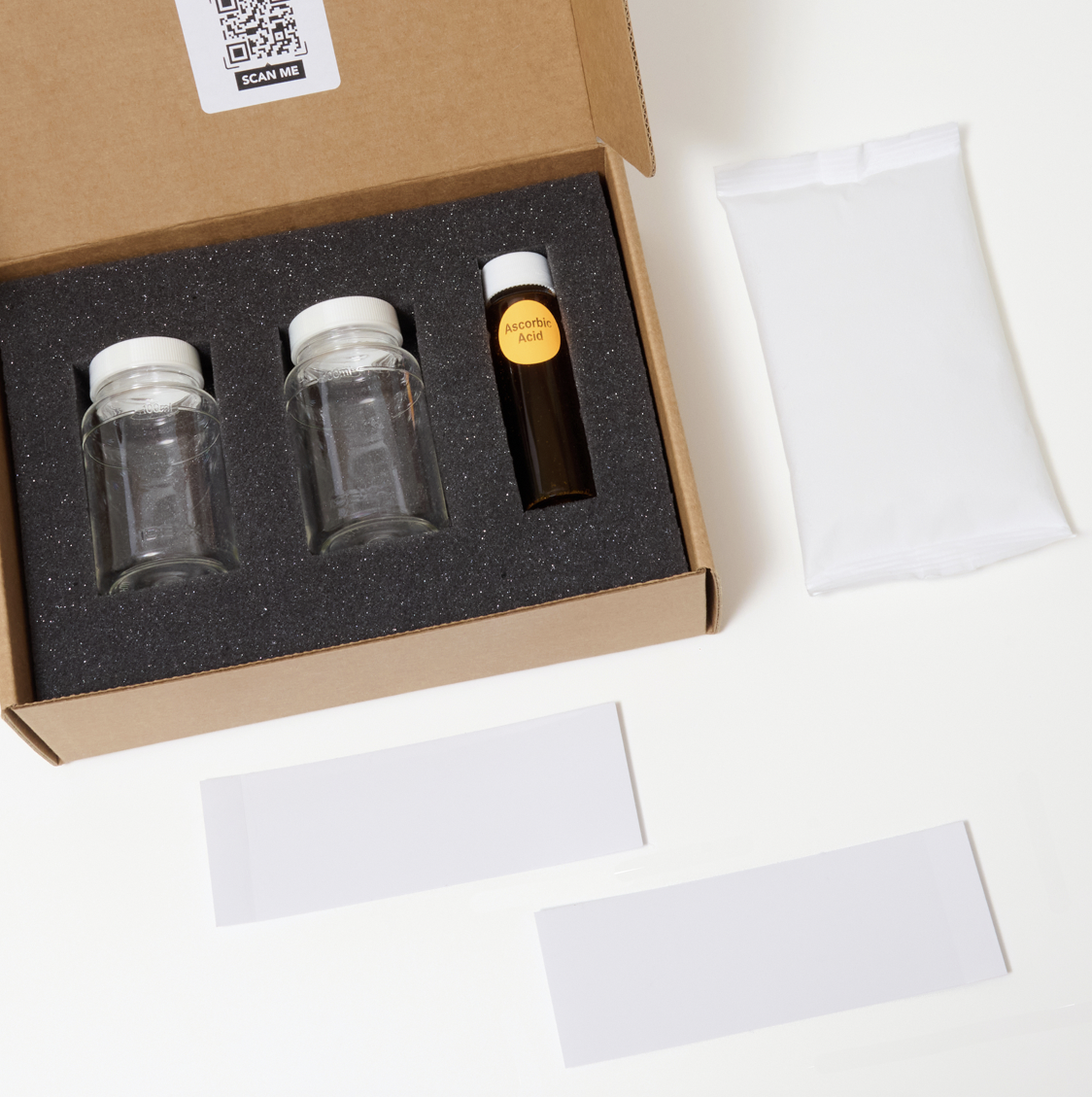
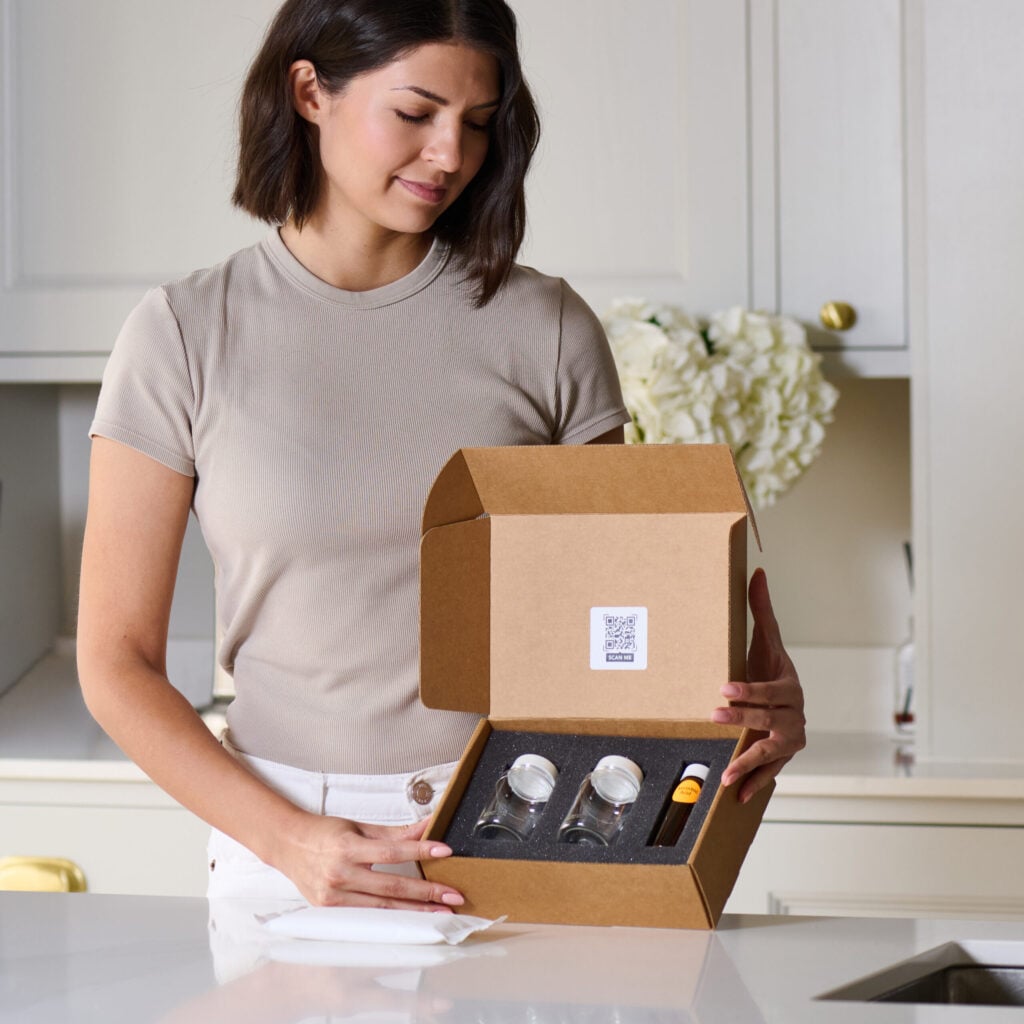
Every test comes with step-by-step instructions on how to prepare your water source, collect your water sample, and prepare your sample for return shipment to our lab.
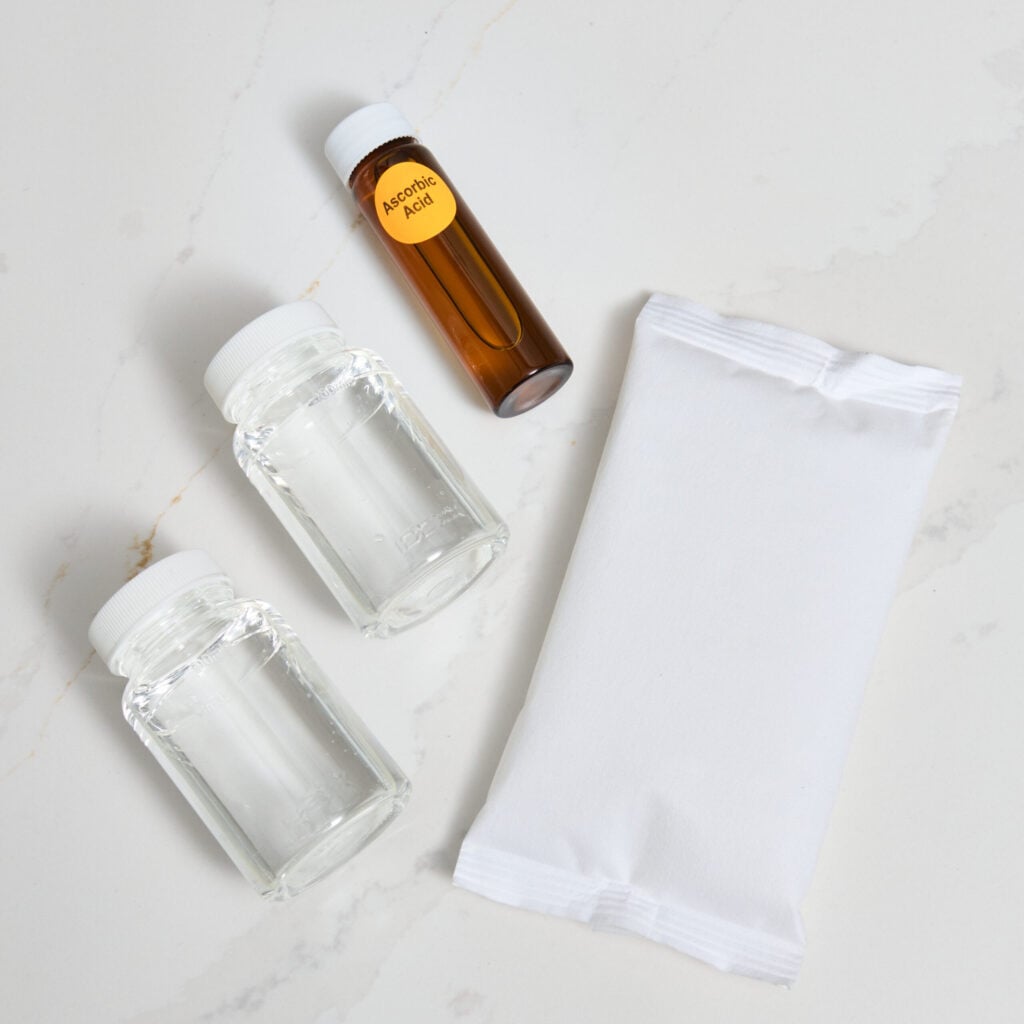
The appropriate sample containers are provided with sterility and sample volume requirements taken into consideration.
A short form to fill out with basic information about your water source. This helps our lab technicians process your results accurately.
A pre-paid return shipping label is included — just drop the sealed package in any mailbox or hand it to your mail carrier. No extra cost.
“The test was simple—collect a water sample from a faucet in the home. We sent the test to the lab and received a water quality analysis within a few days. The test included analysis of the water sample for the presence of: coliform bacteria, E. coli, iron, lead, pH, turbidity, and nitrates/nitrites.”
Taylor L.
“Incredible lab, they really care about their customers. As someone who doesn’t know a whole lot about water quality, they took their time to help me understand everything about my water quality situation.”
Brad R.
“I’ve used ETR for several tests, both water and air. The test kits are easy to understand and the reports are very comprehensive. But what really makes them stand out is their quality of service. There is a lot of terminology in these reports that I don’t understand, but their staff is very knowledgeable and always available to assist. They really take their time to review the results with you on the phone, and answer any questions you may have.”
John T.
4.8
Average Rating
across all platforms
500K+
Water Tests Sold
nationwide since 1995
342+
Reviews on Angi
verified homeowner reviews
We run every test inside our own lab in Leominster, Massachusetts. Your results come straight from us, not a subcontractor. That keeps our pricing fair and our quality consistent across every kit we send out.
Most labs stop at handing you a report. We do not. Every result comes with a free call to one of our water quality experts, so you understand what your numbers mean and what to do next.
ETR Laboratories has run water tests for over 30 years. We hold membership in the national Water Quality Association and the Massachusetts Ground Water Association.
Our reviews reflect the work we do. We hold a 4.8 out of 5 rating on Google, a 4.8 out of 5 rating on Angi from 342 reviews, and five-star ratings on Trustpilot.

Our Premium Water Test screens your water for 113 substances in one round, including bacteria, radon, heavy metals, and industrial chemicals, providing homeowners and landlords with a thorough assessment for peace of mind. We have run…
They can be, mainly when soil is swallowed or ends up on food. Young children swallow small amounts of soil and dust from hands and toys, so play areas near older homes are a common concern. Lead exposure in children is linked to learning and behavior problems. Low levels in soil are common and often manageable with simple steps such as covering bare dirt.
The EPA screening level for lead in residential soil is 200 parts per million, lowered from 400 ppm in 2024. A screening level is a point where a closer look is suggested, not a line where soil becomes dangerous overnight. Bare soil where children play deserves the most care, and a result near or above 200 ppm is a reason to cover it or keep play elsewhere.
They are antimony, arsenic, beryllium, cadmium, chromium, copper, lead, mercury, nickel, selenium, silver, thallium, and zinc. The EPA groups these 13 metals because they are toxic and commonly found at contaminated sites. A test for all of them at once gives you a broad view of your soil instead of guessing which single metal might be present.
Yes, some can. Plants such as leafy greens and root crops may take up cadmium and lead through their roots, though the amount varies by plant and soil conditions. Soil that clings to carrots, potatoes, and lettuce adds to the exposure, so washing and peeling produce helps. Fruiting crops like tomatoes and beans tend to take up less.
You can send it to our lab that runs metals analysis, such as ours. Many university extension offices offer soil testing, but their standard tests focus on nutrients and pH for growing, and metals often cost extra or are limited to lead. Our test covers all 13 EPA priority metals in one sample, measured in our own lab.
If you are on a private well near the same source, it often helps. Some metals in soil can move into groundwater over time, especially arsenic. Our Heavy Metals Water Test tells you if those metals have reached the water you drink. Results for both give you a clearer picture of where the metals are and which steps make the most sense.
Yes, raised beds are a common way to garden over soil with metals. Clean soil brought in from a known source keeps roots away from the ground below, and a barrier such as weed barrier fabric under the bed adds another layer. Bare paths around the beds can still carry dust, so mulch or gravel on them helps. A test of the new soil before you plant confirms it is as clean as promised.
Covering bare soil is one of the simplest steps. Grass, mulch, or gravel keeps children from digging in contaminated spots and cuts down on dust. Washing hands after outdoor play, leaving shoes at the door, and wet-mopping floors also help keep soil from being tracked inside. Pets can carry soil in on their paws as well. Your result shows which parts of the yard need these steps first.
No shared results. Our laboratory holds our clients privacy to the highest regard, your results and information will never be shared. Be aware that state certified laboratories may be required to report your results to various government agencies.