Free Shipping on Orders of $100 or More

Alkalinity Water Test

$40.00

This test measures alkalinity in drinking water, which is your water’s ability to absorb acid and hold a steady pH. Low alkalinity often goes hand in hand with corrosive water that can pull copper and lead from pipes. High alkalinity tends to leave scale in heaters and fixtures. It suits well owners, homes with blue-green stains or scale, and anyone weighing treatment options.

Alkalinity reads best next to pH, since the two together show how stable your water is. A well with low alkalinity can drift toward acidic, corrosive water, while a high reading often travels with hard water. If corrosion is your main worry, our Langelier (Corrosion) Index combines alkalinity, pH, hardness and other readings into one corrosion score.

What is alkalinity in water?

Alkalinity is your water's ability to absorb acid before its pH drops. It comes mainly from bicarbonate and carbonate, minerals that dissolve as groundwater moves through rock.

Here are the usual reasons a reading runs high or low:

  • Limestone, dolomite and other carbonate bedrock push it up
  • Granite bedrock, common in New England, tends to keep it low
  • Rain and snowmelt feeding shallow wells carry very little
  • Some neutralizing equipment can raise it more than intended

Low alkalinity leaves water with little buffer, so it may start to dissolve metal plumbing. High alkalinity tends to leave scale. The USGS explains this buffering effect in its overview of alkalinity and water.

Is this test right for me?

This test is a good fit if you notice blue-green stains on sinks, pinhole leaks in copper pipe, or a water heater that wears out early. Those are common signs of corrosive water, and low alkalinity is often part of the cause.

It also helps before you choose any treatment equipment, since the right approach depends on your starting number. If an earlier test showed elevated lead or copper, an alkalinity result can help explain why those metals are coming from your plumbing.

Well owners in granite areas often add it to a yearly check, because their water tends to run low.

Shipping info

Orders of $100 or more ship free, and orders under $100 ship for an $8 flat rate. Every kit comes with a prepaid return label, so sending your sample back costs nothing extra.

Alkalinity is a stable reading with no tight delivery window, though mailing your sample soon after you collect it is still the best habit.

Tested in Our Accredited Lab

We analyze your sample in our accredited lab, using established testing methods and quality controls.

We have tested water since 1995.

Free Expert Consultation

Every test includes a free consultation with one of our water experts. We go over your results with you, explain what the numbers mean for your home, and help you decide on the appropriate next step, including any filtration approach.

Order Kit

Ships free to your door
Collect Sample

Takes under 5 minutes

Ship to Lab

Free return shipping

Get Results

Expert Consultation

Order Kit

Ships free to your door

Collect Sample

Takes under 5 minutes

Ship to Lab

Free return shipping

Get Result

Expert Consultation

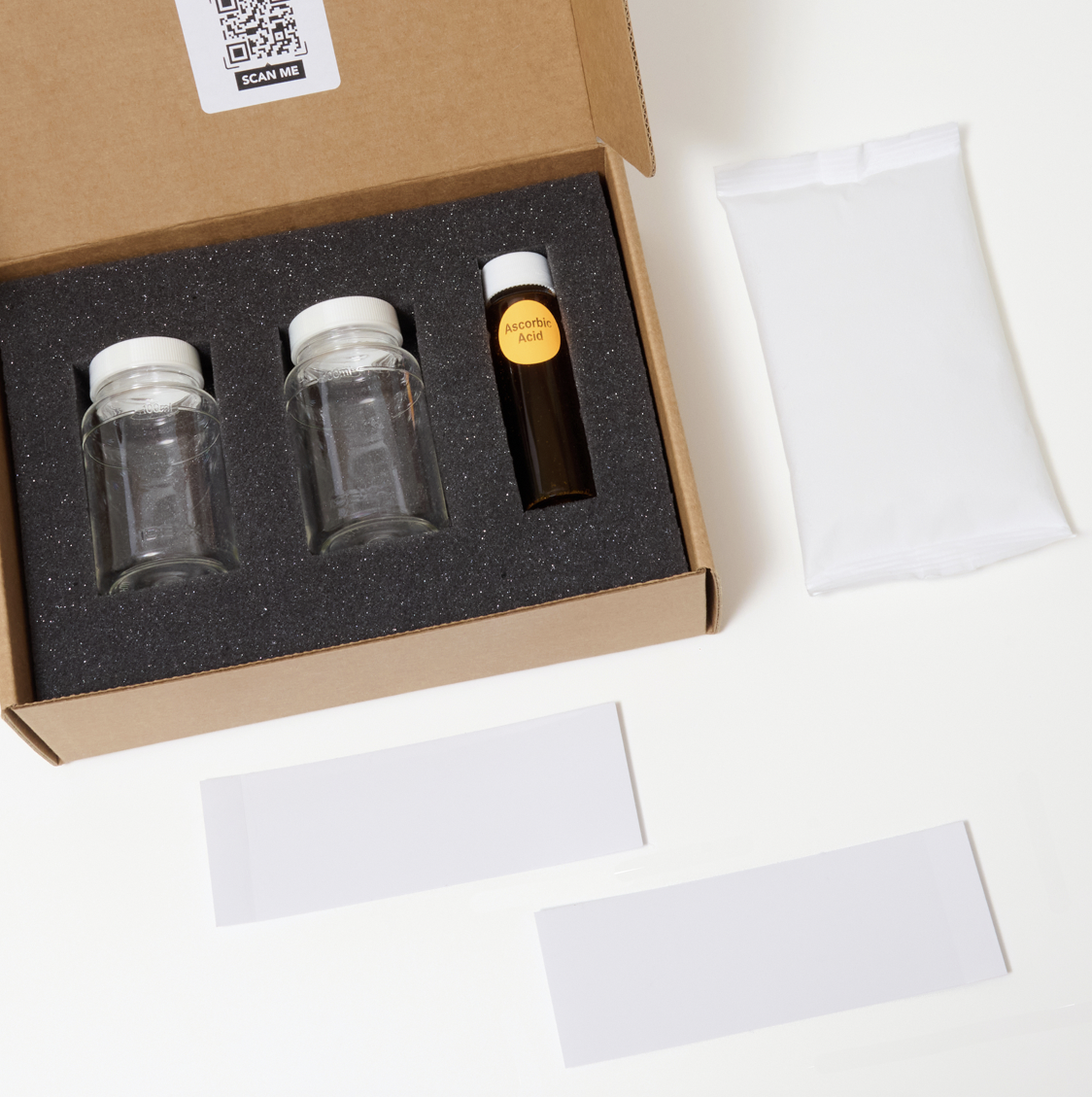
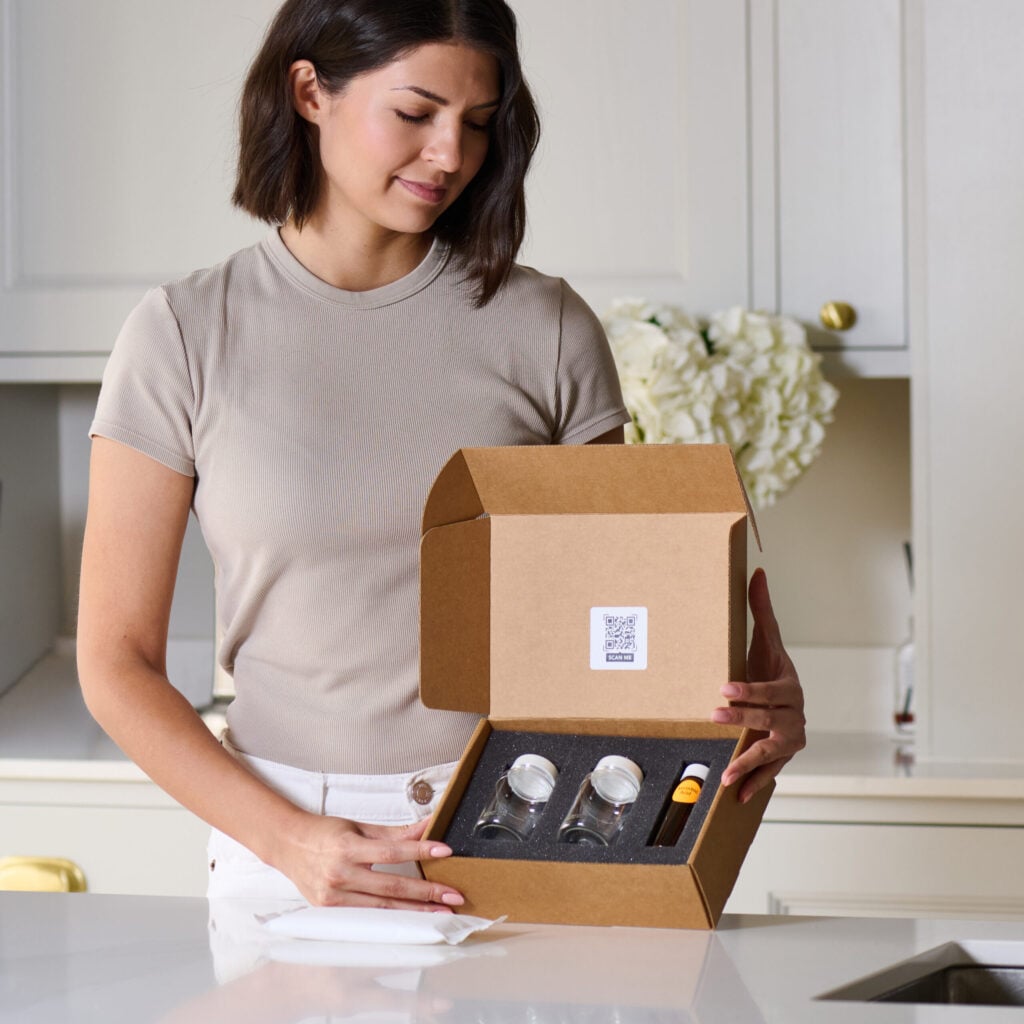
What’s Inside Your Testing Kit?

Sampling Instructions

Every test comes with step-by-step instructions on how to prepare your water source, collect your water sample, and prepare your sample for return shipment to our lab.

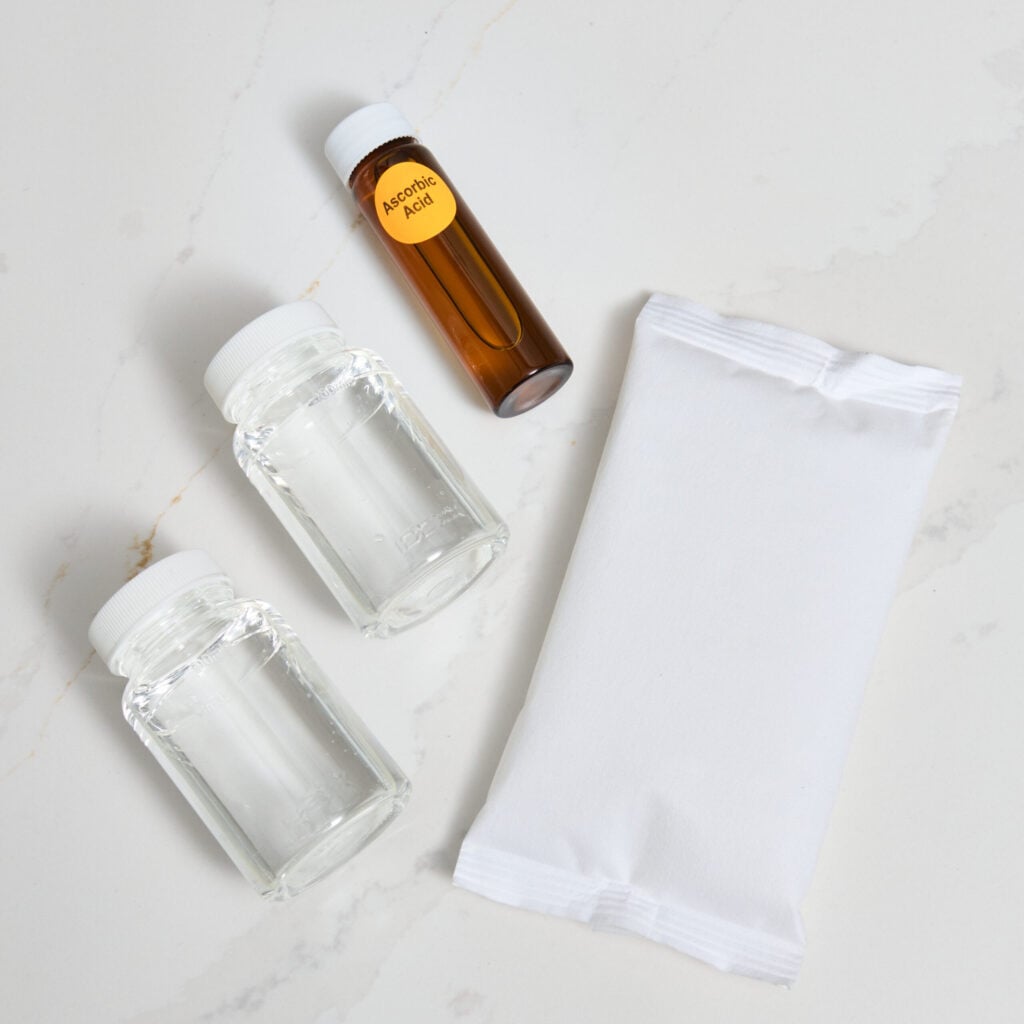
Collection Bottles

The appropriate sample containers are provided with sterility and sample volume requirements taken into consideration.

Sample Information Form

A short form to fill out with basic information about your water source. This helps our lab technicians process your results accurately.

Prepaid Shipping Label

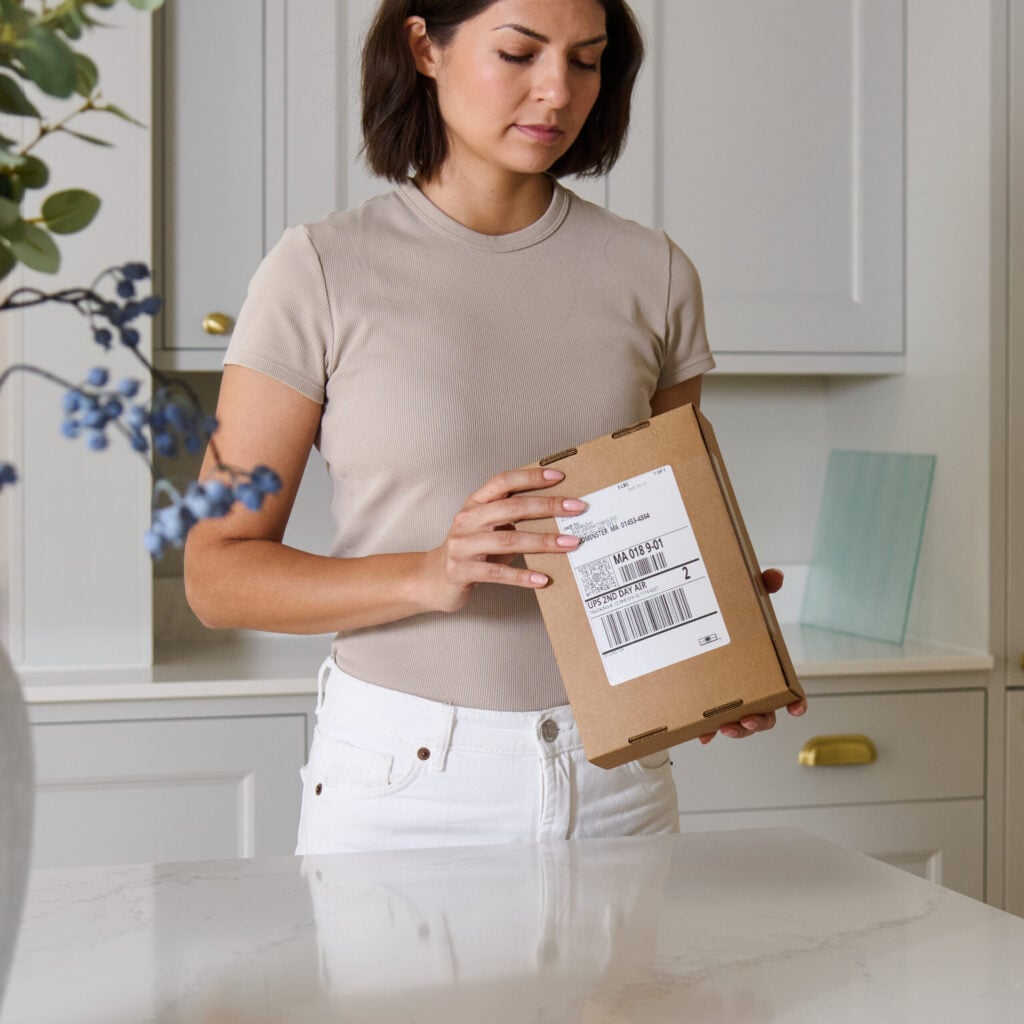
A pre-paid return shipping label is included — just drop the sealed package in any mailbox or hand it to your mail carrier. No extra cost.

Our Reviews

★★★★★
ANGI

“The test was simple—collect a water sample from a faucet in the home. We sent the test to the lab and received a water quality analysis within a few days. The test included analysis of the water sample for the presence of: coliform bacteria, E. coli, iron, lead, pH, turbidity, and nitrates/nitrites.”

Taylor L.

★★★★★
TRUSTPILOT

“Incredible lab, they really care about their customers. As someone who doesn’t know a whole lot about water quality, they took their time to help me understand everything about my water quality situation.”

Brad R.

★★★★★
GOOGLE

“I’ve used ETR for several tests, both water and air. The test kits are easy to understand and the reports are very comprehensive. But what really makes them stand out is their quality of service. There is a lot of terminology in these reports that I don’t understand, but their staff is very knowledgeable and always available to assist. They really take their time to review the results with you on the phone, and answer any questions you may have.”

John T.

4.8

Average Rating

across all platforms

500K+

Water Tests Sold

nationwide since 1995

342+

Reviews on Angi

verified homeowner reviews

Why Choose ETR Labs to Test Your Water

Results You Can Trust

Accuracy is at the core of everything we do, and through strict quality standards and a commitment to scientific excellence, we deliver results you can trust.
 

No Middleman

We run every test inside our own lab in Leominster, Massachusetts. Your results come straight from us, not a subcontractor. That keeps our pricing fair and our quality consistent across every kit we send out.

Free Follow-Up Consultations

Most labs stop at handing you a report. We do not. Every result comes with a free call to one of our water quality experts, so you understand what your numbers mean and what to do next.

Respected Name in the Water Industry

ETR Laboratories has run water tests for over 30 years. We hold membership in the national Water Quality Association and the Massachusetts Ground Water Association.

We're Trusted by Our Customers

Our reviews reflect the work we do. We hold a 4.8 out of 5 rating on Google, a 4.8 out of 5 rating on Angi from 342 reviews, and five-star ratings on Trustpilot.

Our Recommended Test

We recommendPremium Water Test

Premium Water Test

Our Premium Water Test screens your water for 113 substances in one round, including bacteria, radon, heavy metals, and industrial chemicals, providing homeowners and landlords with a thorough assessment for peace of mind. We have run…

  • Bacteria
  • Radon
  • Heavy Metals
  • Industrial Chemicals
  • Minerals & Water Attributes
$249.00

FAQs

Is high alkalinity in drinking water harmful?

Generally, no. Alkalinity is not regulated as a health contaminant, and the EPA has no limit for it. Very high levels can give water a bitter or soda-like taste and leave scale on fixtures and inside appliances. The main reasons to watch it are its effects on your plumbing and the way it shapes pH and corrosion, which can affect how much copper or lead your pipes release.

What level of alkalinity in drinking water is too high?

There is no federal cutoff, so "too high" depends on your goals. Many water professionals treat anything above about 200 mg/L as calcium carbonate as high enough to cause noticeable scale and a bitter taste. Below about 20 mg/L, the concern flips to corrosion. Those figures are industry guidance rather than EPA standards, and your pH and hardness results shape how much a given number affects your home.

What is the difference between alkalinity and pH in water?

pH is a snapshot, and alkalinity is the cushion behind it. pH tells you how acidic or basic your water is right now on a 0 to 14 scale. Alkalinity measures how much acid the water can absorb before that pH starts to fall. Two wells can share the same pH while one holds steady and the other swings easily, which is why testing both gives a clearer picture.

Is alkaline water the same as water with high alkalinity?

Not exactly. Bottled alkaline water is usually sold on its high pH, often 8 or above. Alkalinity is a separate measurement of buffering minerals, mainly bicarbonate. A water can have a high pH with little alkalinity, or a moderate pH with plenty of it. Health claims about alkaline water are still being studied, so questions about reflux or other conditions are best taken to your doctor.

What pH should drinking water be?

The EPA recommends a pH between 6.5 and 8.5. That range is a secondary, non-enforceable guideline aimed at taste, staining and corrosion rather than health. Water below 6.5 tends to be corrosive and may taste metallic, while water above 8.5 can taste bitter and form scale. Your alkalinity result shows how stable your pH is likely to stay over time.

How often should I test alkalinity in well water?

Once a year is a sensible rhythm for alkalinity in well water, ideally alongside pH and hardness. It is also worth retesting after you install or service treatment equipment, since some systems shift alkalinity up or down. A sudden change from one year to the next can hint that something in the well or the equipment has changed, and it gives our team a useful starting point on your free call.

Is low alkalinity in drinking water a problem?

It can be for your plumbing. Water with low alkalinity has little buffer against acid, so its pH can drop and it may start to dissolve copper, lead and other metals from pipes and fixtures. Signs include blue-green stains, pinhole leaks and a metallic taste. Low alkalinity is not a health risk by itself, but the metals it can pull from plumbing may be. Pairing this test with a lead and copper test shows whether that is happening in your home.

Can high alkalinity cause scale in my water heater?

It can contribute. High alkalinity often travels with hard water, and together they make it easier for calcium carbonate scale to form, especially when water is heated. That scale builds up in water heaters, kettles, dishwashers and showerheads, and over time it can shorten their working life and raise energy use. A hardness test alongside alkalinity shows how much scale your water is likely to leave, and our free consultation can help you weigh the two together.

Statement of Confidentiality

No shared results. Our laboratory holds our clients privacy to the highest regard, your results and information will never be shared. Be aware that state certified laboratories may be required to report your results to various government agencies.