Chromium 6 Water Test: The Test With No Federal Limit
Your well report says chromium is under the limit, and
Free Shipping on Orders of $100 or More
If you’ve seen headlines this summer about a fast-growing outbreak of diarrheal illness sweeping across the country, you’re not imagining it. As of mid-July 2026, the CDC has confirmed more than 1,600 domestic cases of cyclosporiasis since May 1, with thousands more still being investigated, and case counts are running far above normal for this time of year. Michigan and Ohio have been hit hardest, with health officials in both states pointing to lettuce and salad greens as a likely, though not yet confirmed, source.
Here’s the question we’ve been getting: does this mean people should be worried about their well or tap water? The honest answer is more nuanced than a simple yes or no, and it’s worth understanding the actual mechanism before deciding whether this changes anything about your own water.
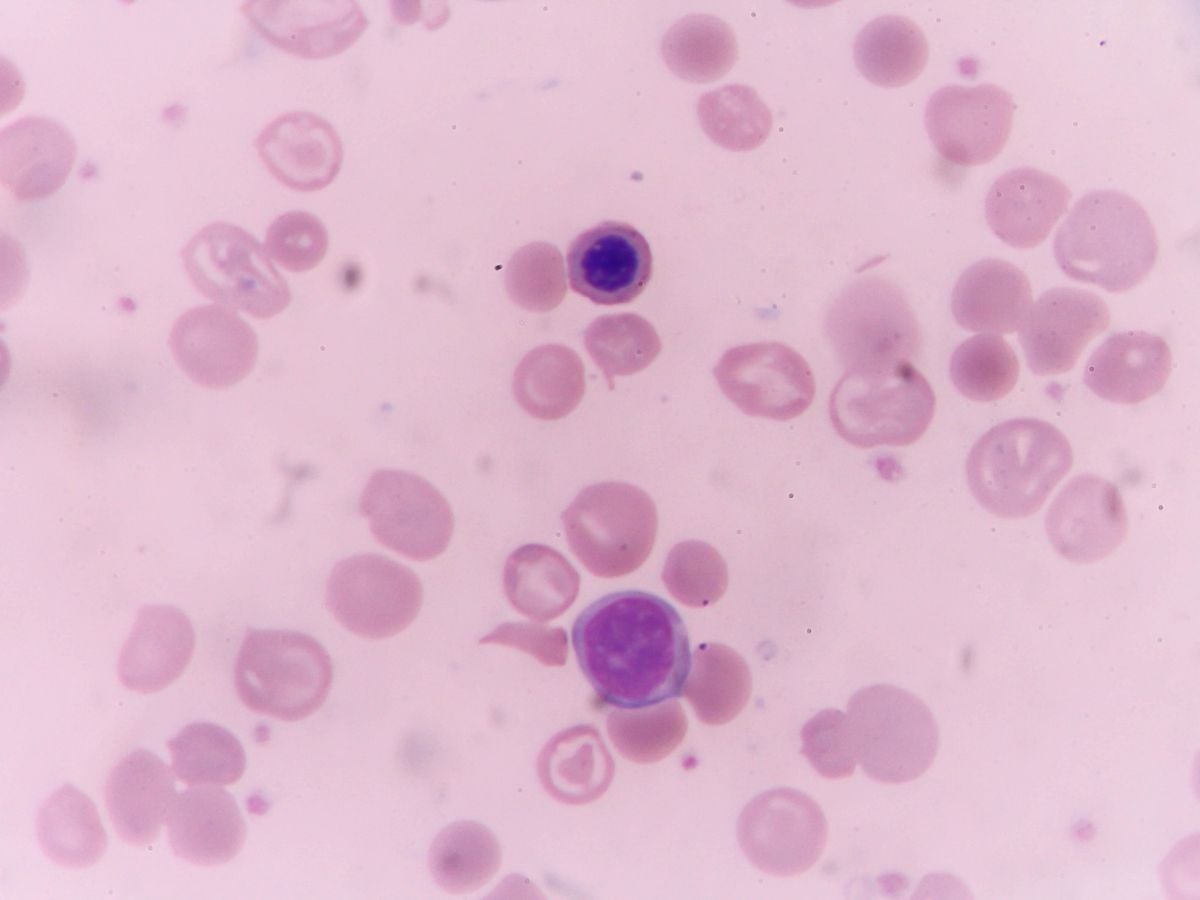
Cyclospora cayetanensis is a microscopic, single-celled parasite, small enough that it can’t be seen without a microscope. It infects the small intestine after someone eats or drinks something contaminated with it, and the resulting illness, cyclosporiasis, causes watery diarrhea that can last for weeks if left untreated, along with loss of appetite, bloating, fatigue, and occasionally a low-grade fever. Unlike a lot of bacterial foodborne illnesses that resolve in a few days, Cyclospora infections tend to drag on, which is part of why this outbreak has drawn so much attention.
This is the most important distinction to understand, and it’s one a lot of outbreak coverage glosses over.
Cyclospora gets into the food supply when raw produce comes into contact with feces-contaminated water or soil, typically during irrigation, washing, or handling well before that produce ever reaches a grocery store. The 2026 outbreak fits this exact pattern. Investigators haven’t pinned down a single confirmed source as of this writing, but the working theory in the hardest-hit states centers on contaminated leafy greens, not municipal water systems or private wells.
In other words, the contamination event is happening upstream, at the farm or in the supply chain, not in the water coming out of your kitchen faucet. This isn’t a situation like a boil water advisory, where the water utility itself is the source. It’s much closer to past produce-linked outbreaks involving bagged salads, fresh basil, cilantro, or raspberries, which is exactly the pattern seen in prior Cyclospora outbreaks going back years.
Not directly, for most people. But there’s a legitimate, related reason some homeowners should still be thinking about their water right now, and it’s worth being precise about it rather than either dismissing the connection entirely or overstating it.
Cyclospora reaches produce through water contaminated by feces, which means the underlying issue, fecal contamination of a water source, is the same broad category of risk that shows up in private wells near agricultural land, livestock operations, or septic systems in disrepair. If your well is in an area with active farming nearby, or you’ve never tested for basic fecal indicators, this outbreak is a reasonable prompt to check. Fecal contamination in groundwater is a real, testable, and often fixable issue on its own, regardless of this outbreak.
The standard way to check for this is a Coliform & E. Coli Test, which looks for indicator bacteria that signal fecal contamination broadly, or ETR’s BioScan Microbiological Well Water Test, which screens more broadly for bacteria, fungi, mold, yeast, algae, and other microorganisms. These are the established, validated tests for the kind of contamination risk this outbreak is ultimately rooted in.
For situations involving surface water intrusion, a well positioned very close to a known contamination source, or a specific reason to suspect parasitic contamination rather than general fecal indicators, ETR also offers a Cyclospora Water Test, using scanning electron microscope analysis to identify Cyclospora and related organisms directly in a water sample. This is a more targeted, situational test rather than something we’d recommend as a default response to a foodborne outbreak, since for the vast majority of households, the produce supply chain, not the water supply, is where this particular risk actually lives.
If you’re concerned about this outbreak, the most effective steps are the same ones public health officials are recommending broadly: thoroughly wash fresh produce, stay informed as investigators narrow down the source, and seek medical attention if you develop persistent diarrhea, especially if you’re immunocompromised, since early diagnosis allows for effective antibiotic treatment.
If you’re a private well owner who’s never tested for basic fecal indicators, or you have specific reason to suspect your water source, that’s a separate, legitimate reason to test, outbreak or not. As always, every ETR test includes a free consultation, so if you’re not sure which test actually fits your situation, we’re glad to help you figure that out before you order anything.
From the Lab by ETR Laboratories
Your well report says chromium is under the limit, and
A VOC kit arrives with small glass vials, a preservative
You open a water test report, or compare two test
Related Post.
Chromium 6 Water Test: The Test With No Federal Limit
Your well report says chromium is under the limit, and that may seem like the
How VOCs Are Tested in Well Water: Lab Method Explained
A VOC kit arrives with small glass vials, a preservative already inside, a no-bubble rule
Copper and Manganese: Why Some Water Tests Skip Them
You open a water test report, or compare two test kits side by side, and
Golf Course Pesticides and Your Well Water: What to Test
Field studies have found turf pesticides in some groundwater beneath golf courses, usually below health
Giardia and Cryptosporidium in Well Water: Can You Test?
After a stomach illness, a flood, or a neighbor’s warning about parasites, a passing bacteria
Uranium Water Test: The Well Test Most Owners Skip
Uranium has no color, taste, or smell, and the routine tests many well owners order
State Well Water Testing Requirements by Region: A Guide
Private well testing requirements vary by state, and your county or municipality may add rules
Inside the ETR Laboratory: How Samples Are Analyzed
Most people who order a water test never see what happens after they mail the
Home Water Filtration Systems Often Pay for Themselves. Here Is the Math.
From the Lab by ETR Laboratories Most people treat bottled water as a small household
City Water vs Well Water: Different Tests, Different Risks
City water and private well water are managed differently, so the reasons you may want
What Comes in an ETR Water Test Kit: A Full Breakdown
When your ETR Lab’s water test kit arrives, the first question is usually simple: what’s
How ETR Laboratories Tests Your Water, Step by Step
Water testing ads usually talk about the kit in your mailbox. The part that decides