Free Shipping on Orders of $100 or More

Water Hardness Test

$65.00

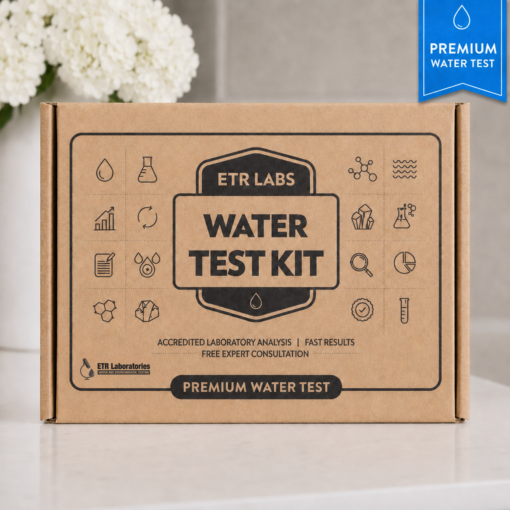
Our water hardness test kit is a mail-in lab test that reports calcium and magnesium separately, the two minerals that cause hard water. You get a precise number in mg/L and grains per gallon instead of a color match on a strip. It is a good fit if you see scale, spotty dishes or a struggling water heater, or need to size or set a water softener.

For well owners in northern states, calcium is also a useful warning light. In years of field inspections, we have often seen calcium well above normal in wells beside heavily salted roads, which can point to a casing problem that a repair can fix. Our Sodium Water Test adds the other half of that road salt picture.

What is hard water?

Hard water is water with a lot of dissolved calcium and magnesium. Those minerals dissolve as groundwater moves through rock, so well water in some regions runs much harder than in others.

Here are the usual sources of hardness:

  • Limestone and chalk, which add calcium
  • Dolomite, which adds both calcium and magnesium
  • Calcium chloride deicers on nearby roads
  • Road salt pushing calcium off soil particles into groundwater

Hard water is not considered a health risk. Its effects show up as crust on faucets, film on glassware and scale inside water heaters. The USGS explains the hardness of water in more detail.

Is this test right for me?

This test is a good match if you see white crust on fixtures, spots on dishes, stiff laundry, or a water heater losing efficiency.

It is also the first step before you buy, size or service a water softener, since the settings depend on your hardness in grains per gallon. If you already have a softener and still see scale, a before-and-after test shows whether it is working.

Well owners near heavily salted roads get one more benefit, since unusual calcium can flag road salt getting in. Our team can walk you through that on your free call.

Shipping info

Orders under $100 ship for an $8 flat rate, and orders of $100 or more ship free. The return label in your kit is prepaid. Hardness is stable once sealed, so there is no rush window, and local customers can drop samples at our Leominster lab.

Tested in Our Accredited Lab

We analyze your sample in our accredited lab, using established testing methods and quality controls.

We have tested water since 1995.

Free Expert Consultation

Every test includes a free consultation with one of our water experts. We go over your results with you, explain what the numbers mean for your home, and help you decide on the appropriate next step, including any filtration approach.

What does this test check for?
  • Calcium. The main hardness mineral and a frequent marker of road salt in northern wells.
  • Magnesium. The second hardness mineral, reported on its own line.

Hardness is expressed in milligrams per liter as calcium carbonate or in grains per gallon (one grain per gallon equals 17.1 mg/L). Hardness is reported in all of our main water panels as well. Our guide to hardness types explains the scale.

Order Kit

Ships free to your door
Collect Sample

Takes under 5 minutes

Ship to Lab

Free return shipping

Get Results

Expert Consultation

Order Kit

Ships free to your door

Collect Sample

Takes under 5 minutes

Ship to Lab

Free return shipping

Get Result

Expert Consultation

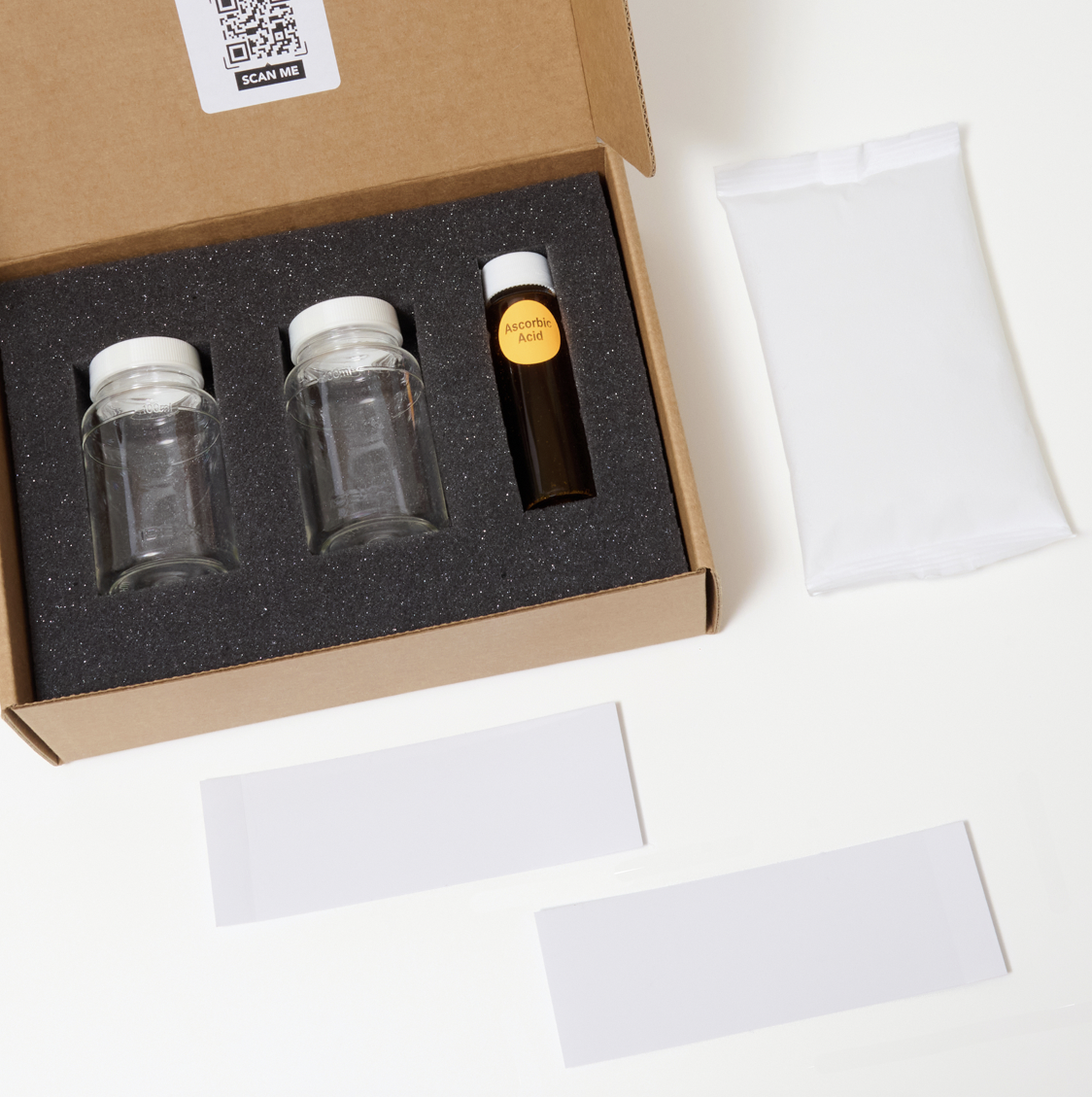
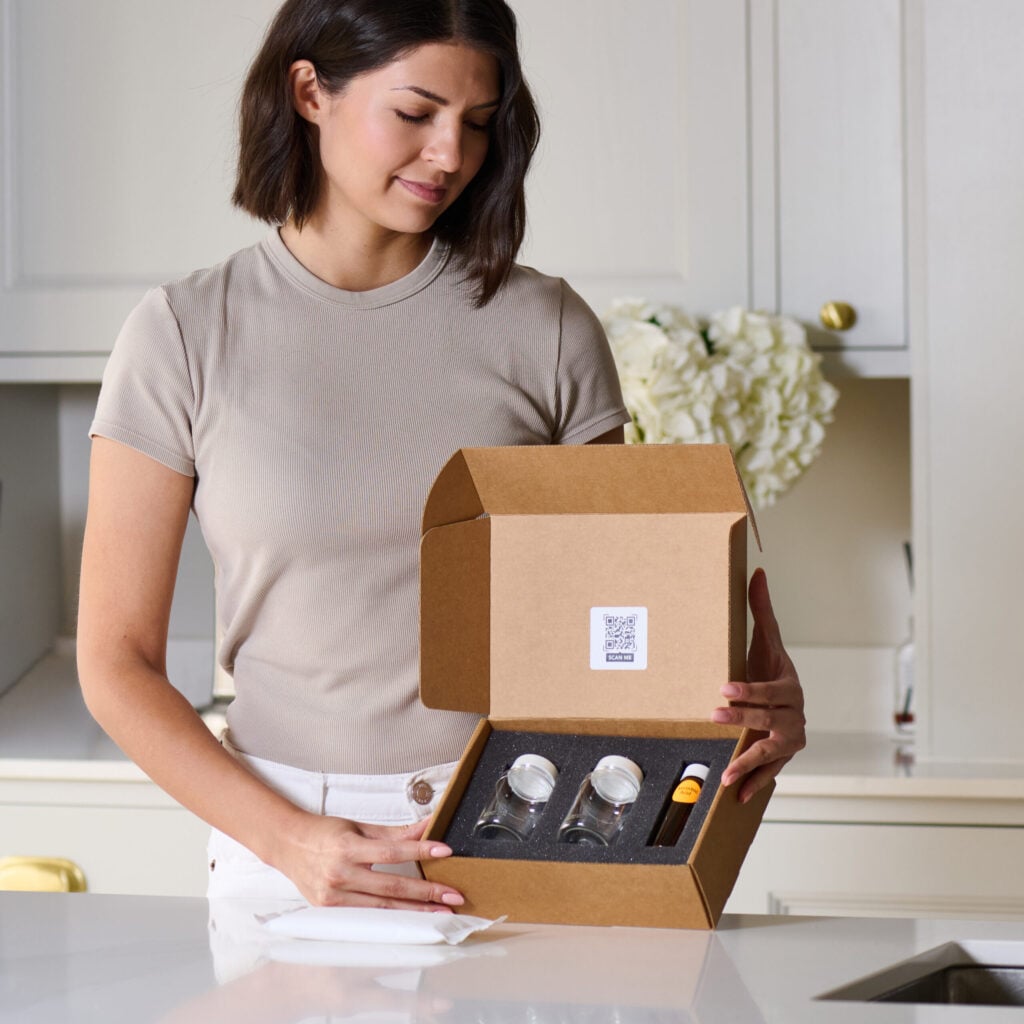
What’s Inside Your Testing Kit?

Sampling Instructions

Every test comes with step-by-step instructions on how to prepare your water source, collect your water sample, and prepare your sample for return shipment to our lab.

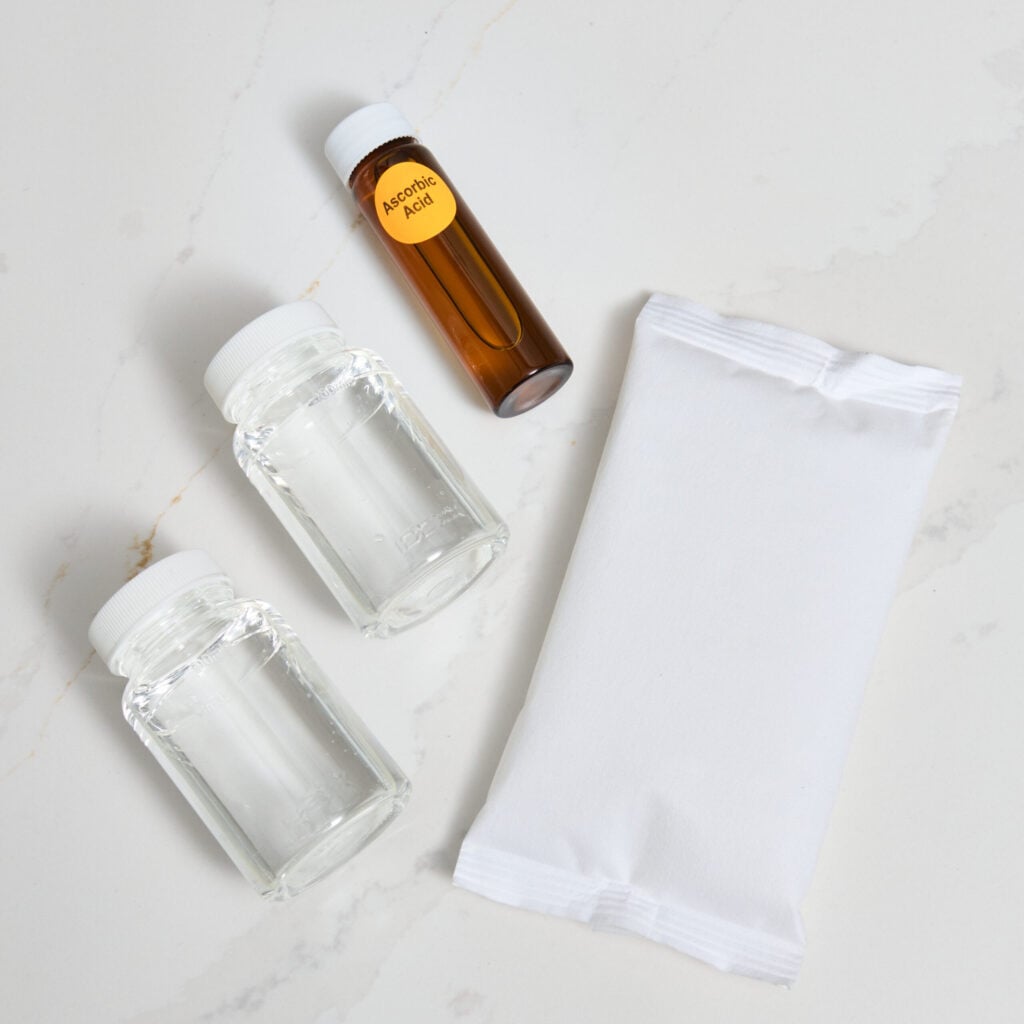
Collection Bottles

The appropriate sample containers are provided with sterility and sample volume requirements taken into consideration.

Sample Information Form

A short form to fill out with basic information about your water source. This helps our lab technicians process your results accurately.

Prepaid Shipping Label

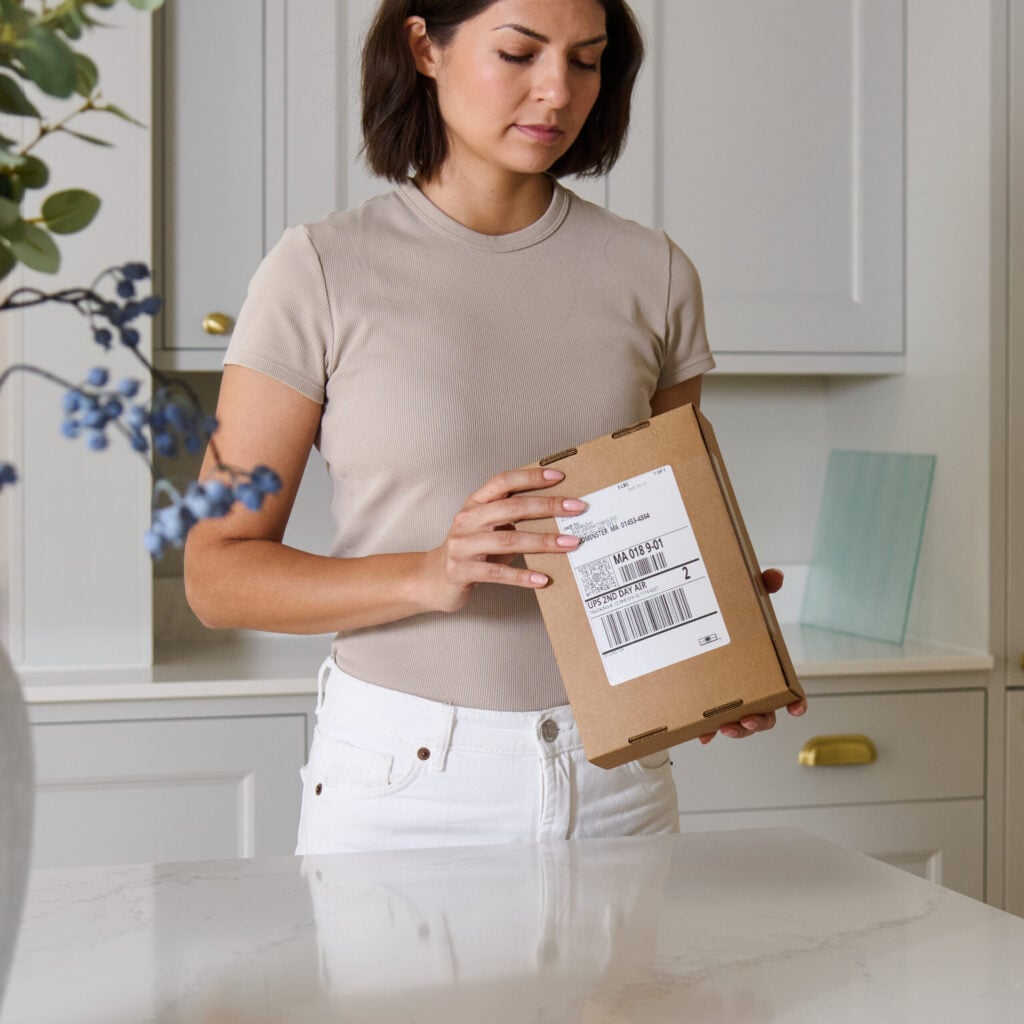
A pre-paid return shipping label is included — just drop the sealed package in any mailbox or hand it to your mail carrier. No extra cost.

Our Reviews

★★★★★
ANGI

“The test was simple—collect a water sample from a faucet in the home. We sent the test to the lab and received a water quality analysis within a few days. The test included analysis of the water sample for the presence of: coliform bacteria, E. coli, iron, lead, pH, turbidity, and nitrates/nitrites.”

Taylor L.

★★★★★
TRUSTPILOT

“Incredible lab, they really care about their customers. As someone who doesn’t know a whole lot about water quality, they took their time to help me understand everything about my water quality situation.”

Brad R.

★★★★★
GOOGLE

“I’ve used ETR for several tests, both water and air. The test kits are easy to understand and the reports are very comprehensive. But what really makes them stand out is their quality of service. There is a lot of terminology in these reports that I don’t understand, but their staff is very knowledgeable and always available to assist. They really take their time to review the results with you on the phone, and answer any questions you may have.”

John T.

4.8

Average Rating

across all platforms

500K+

Water Tests Sold

nationwide since 1995

342+

Reviews on Angi

verified homeowner reviews

Why Choose ETR Labs to Test Your Water

Results You Can Trust

Accuracy is at the core of everything we do, and through strict quality standards and a commitment to scientific excellence, we deliver results you can trust.
 

No Middleman

We run every test inside our own lab in Leominster, Massachusetts. Your results come straight from us, not a subcontractor. That keeps our pricing fair and our quality consistent across every kit we send out.

Free Follow-Up Consultations

Most labs stop at handing you a report. We do not. Every result comes with a free call to one of our water quality experts, so you understand what your numbers mean and what to do next.

Respected Name in the Water Industry

ETR Laboratories has run water tests for over 30 years. We hold membership in the national Water Quality Association and the Massachusetts Ground Water Association.

We're Trusted by Our Customers

Our reviews reflect the work we do. We hold a 4.8 out of 5 rating on Google, a 4.8 out of 5 rating on Angi from 342 reviews, and five-star ratings on Trustpilot.

Our Recommended Test

We recommendPremium Water Test

Premium Water Test

Our Premium Water Test screens your water for 113 substances in one round, including bacteria, radon, heavy metals, and industrial chemicals, providing homeowners and landlords with a thorough assessment for peace of mind. We have run…

  • Bacteria
  • Radon
  • Heavy Metals
  • Industrial Chemicals
  • Minerals & Water Attributes
$249.00

FAQs

Is hard water bad for you?

No. Hard water is not considered a health risk. Calcium and magnesium are minerals people also get from food, and drinking hard water adds a small amount of each. The effects of hard water are mostly on pipes, appliances, soap, skin and hair. Some people find it leaves skin feeling dry after showering, which is a comfort issue rather than a health one.

What level of water hardness is too high?

There is no federal limit, since hardness is not a health issue. Above about 120 mg/L, or roughly 7 grains per gallon, scale and soap problems usually become noticeable, and above 180 mg/L the USGS calls water very hard. Many households start thinking about softening somewhere in that range. A water hardness test kit result tells you where your tap falls.

Can a TDS meter measure water hardness?

Not accurately. A TDS meter estimates every dissolved substance, including sodium, chloride and sulfate, not only the calcium and magnesium that make water hard. Two waters with the same TDS reading can have very different hardness. A hardness test measures those two minerals directly, which is the number a softener needs. A home TDS meter is still handy for spotting changes over time.

Can hard water damage my pipes and appliances?

Yes, over time. Hard water leaves mineral scale inside pipes, water heaters, dishwashers, coffee makers and washing machines. Scale on a water heater element acts like insulation, so the heater uses more energy and may wear out sooner. In pipes, heavy buildup narrows the opening and can lower water pressure. Knowing your exact hardness tells you how much scale to expect.

Is well water usually harder than city water?

Often, yes. Well water picks up calcium and magnesium as it moves through limestone and other mineral-rich rock, and private wells are usually untreated. City water can be hard too, depending on its source, but some utilities soften it at the plant. Neighbors on wells can get very different results, so a test of your own tap is the best guide.

How often should I test my water hardness?

Once a year is a good rhythm for a private well, since hardness can drift with the seasons and with road salt nearby. It is also worth retesting after a softener is installed or serviced, to confirm the settings match your water. Our water hardness test kit reports calcium and magnesium separately, so you can see which one changed.

Can hard water cause dry skin and hair?

It may contribute. Hard water makes soap and shampoo harder to rinse off, so a film can stay on skin and hair, and some people notice dryness, itching or dull hair. Some studies have suggested a link between hard water and eczema in young children, though the findings are mixed. If your household notices these effects along with scale on fixtures, a hardness test shows how hard your water is before you look at treatment.

Does boiling water get rid of hardness?

Partly. Boiling removes some hardness, called temporary hardness, by turning dissolved calcium bicarbonate into scale, the white crust you see inside a kettle. Permanent hardness, from minerals such as calcium sulfate, stays dissolved, so boiled water is often still hard. Boiling also leaves that scale on your pots and appliances, which is the same problem in a new place. A hardness test shows how much you are dealing with across your whole supply.

Statement of Confidentiality

No shared results. Our laboratory holds our clients privacy to the highest regard, your results and information will never be shared. Be aware that state certified laboratories may be required to report your results to various government agencies.