
How VOCs Are Tested in Well Water: Lab Method Explained
A VOC kit arrives with small glass vials, a preservative
Free Shipping on Orders of $100 or More
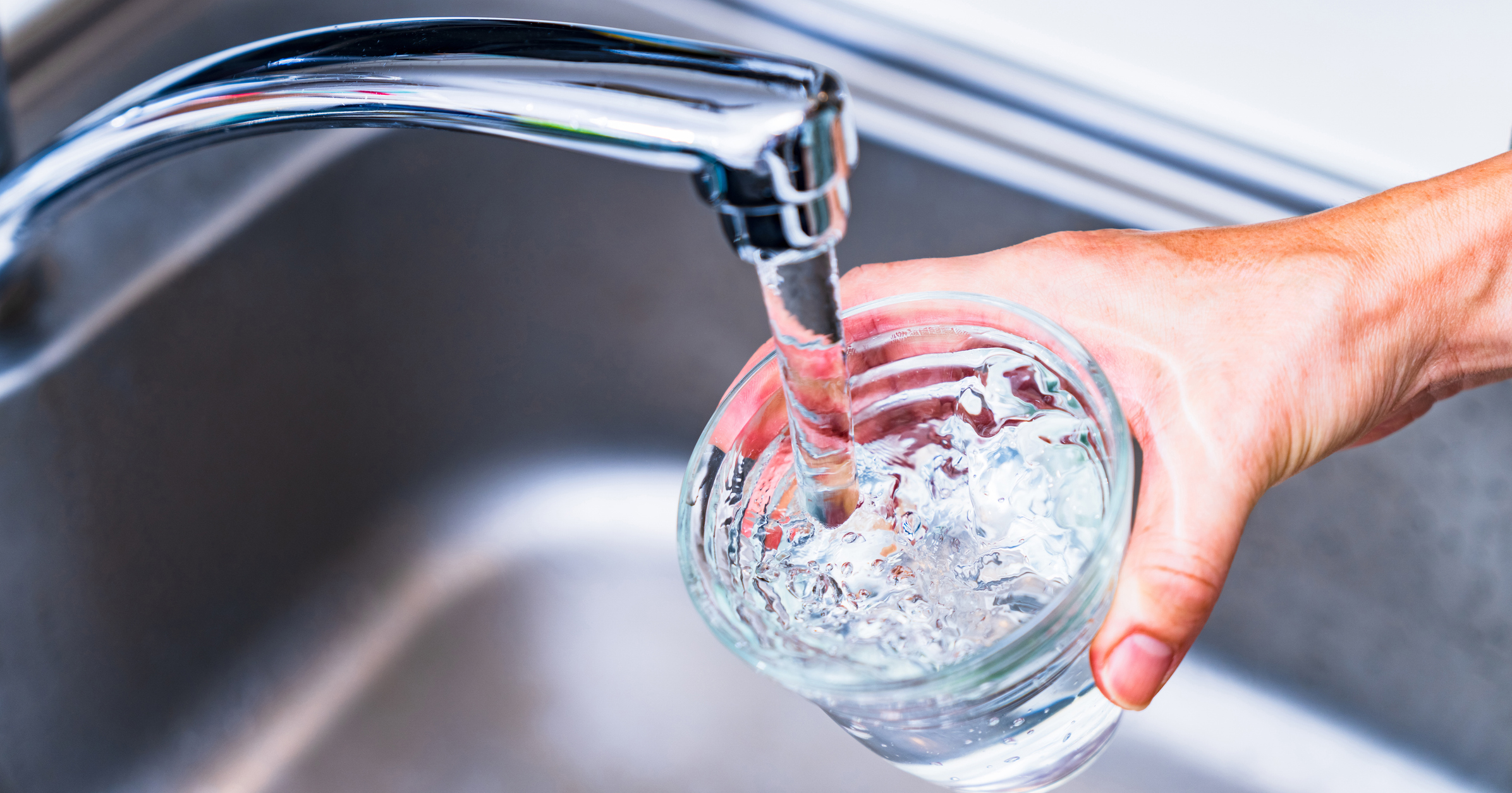
Fluoride has been added to America’s drinking water for nearly 80 years in an effort to reduce dental cavities. East of the Mississippi, fluoridation is widespread. West of the Mississippi, it is more limited. In Minnesota, Illinois and Kentucky, nearly everyone who receives water from a municipal source gets fluoridated water. Close behind are North and South Dakota, Ohio, Virginia, Georgia, Iowa, Michigan, West Virginia, Connecticut and Indiana where fluoridation is in about 90% of governmental water sources. However, in recent years, the addition of fluoride has become controversial.
The answer to “How much is too much?” has different answers depending on who is asked.
Lower levels protect against the skeletal fluorosis that can occur when too much fluoride is ingested. Fluorosis causes deformities of bones. Dental fluorosis or mottling and pitting of the teeth can also occur. However, these are not the only concerns about the practice of adding fluoride to water.
In recent years, groups like Food & Water Watch, Fluoride Action Network and American Academy of Environmental Medicine have asked the EPA to reduce or completely eliminate fluoridation of drinking water. These groups cited studies that found that fluoride causes neurotoxicity in humans.
Fluoride neurotoxicity can affect adults and infants, and fetuses through the mother’s exposure to fluoride. Children are especially sensitive to this mineral. Many studies have shown that children in areas with high levels of fluoride in water had significantly lower IQ scores than those in low-fluoride areas.
One researcher even stated that “Fluoride seems to fit in with lead, mercury, and other poisons that cause chemical brain drain. The effect of each toxicant may seem small, but the combined damage on a population scale can be serious, especially because the brain power of the next generation is crucial to all of us.”
Limited research has noted a connection between fluoride and bone cancer in young males. More research is needed to confirm any adverse effects of fluoride in drinking water.
To determine your local level of fluoride, the Basic Water Test from ETR Laboratories will analyze your water and measure the fluoride along with 52 other substances or water attributes. You can then determine if you need to filter your drinking water to reduce any health risk. To remove fluoride from your water, you will need to add one of these water treatment systems to your home:
The decision about fluoride is yours. A fast and accurate test from ETR Laboratories will help you make your choices and supply your family with the best water possible. Get the Basic Water Test today so you can make a fully educated decision.
A VOC kit arrives with small glass vials, a preservative
You open a water test report, or compare two test
Field studies have found turf pesticides in some groundwater beneath
Related Post.
How VOCs Are Tested in Well Water: Lab Method Explained
A VOC kit arrives with small glass vials, a preservative already inside, a no-bubble rule
Copper and Manganese: Why Some Water Tests Skip Them
You open a water test report, or compare two test kits side by side, and
Golf Course Pesticides and Your Well Water: What to Test
Field studies have found turf pesticides in some groundwater beneath golf courses, usually below health
Giardia and Cryptosporidium in Well Water: Can You Test?
After a stomach illness, a flood, or a neighbor’s warning about parasites, a passing bacteria
Uranium Water Test: The Well Test Most Owners Skip
Uranium has no color, taste, or smell, and the routine tests many well owners order
State Well Water Testing Requirements by Region: A Guide
Private well testing requirements vary by state, and your county or municipality may add rules
Inside the ETR Laboratory: How Samples Are Analyzed
Most people who order a water test never see what happens after they mail the
Home Water Filtration Systems Often Pay for Themselves. Here Is the Math.
From the Lab by ETR Laboratories Most people treat bottled water as a small household
City Water vs Well Water: Different Tests, Different Risks
City water and private well water are managed differently, so the reasons you may want
What Comes in an ETR Water Test Kit: A Full Breakdown
When your ETR Lab’s water test kit arrives, the first question is usually simple: what’s
How ETR Laboratories Tests Your Water, Step by Step
Water testing ads usually talk about the kit in your mailbox. The part that decides
Water Test Panel Guide: Basic, Premium, or Ultimate?
Ordering a water test sounds simple until you see the options. One lab sells Basic,