What Should You Test Your Home Water For? A Practical Guide
Most homeowners know they should test their water. Far fewer actually do
Most homeowners know they should test their water. Far fewer actually do
Across the nation, municipal water utilities treat and filter their water supplies

While consumer products using PFAS-type chemicals started being sold in the 1940s,
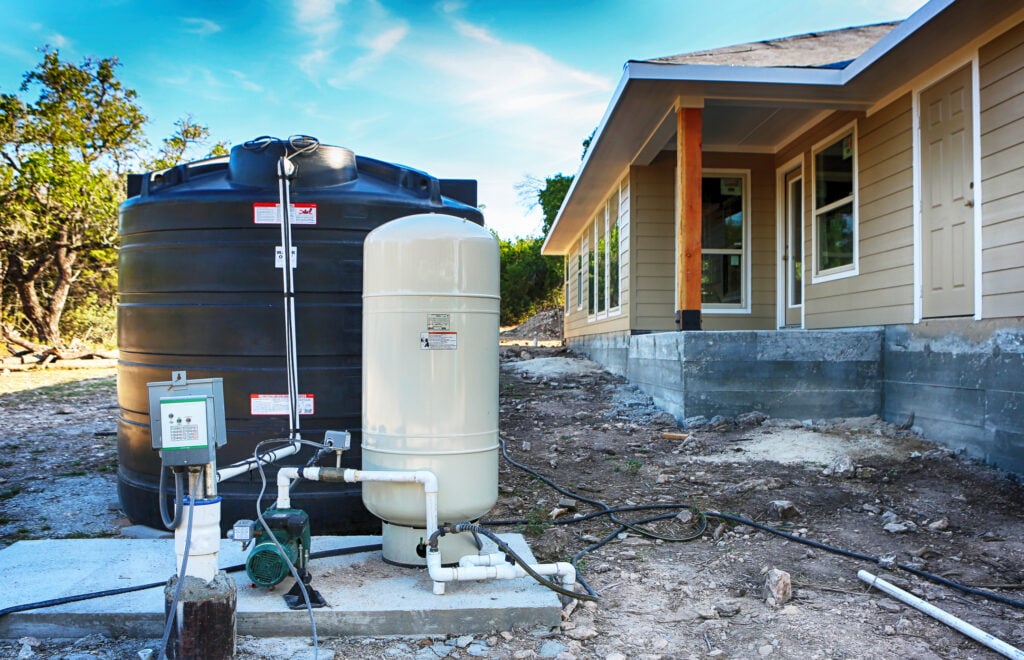
Owning a private well means taking responsibility for the safety and quality

Most people would like to think that if their tap water looks

Installing a private well is a major investment that can provide a
When water flows from your tap, it’s easy to assume that it’s
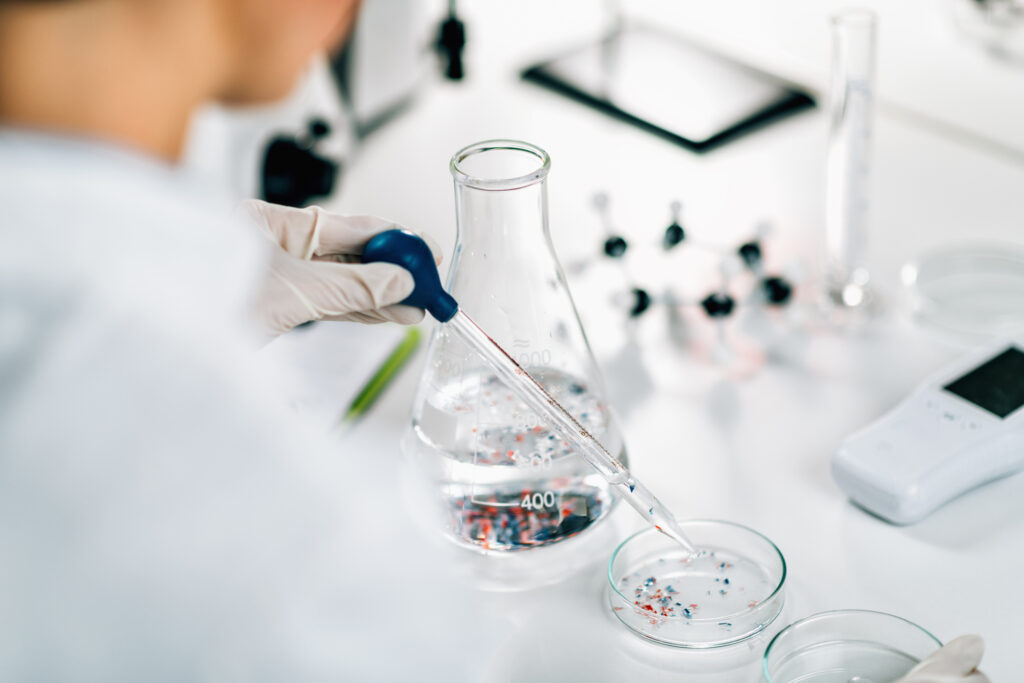
Testing your well water isn’t just a one-time task—it’s an ongoing responsibility
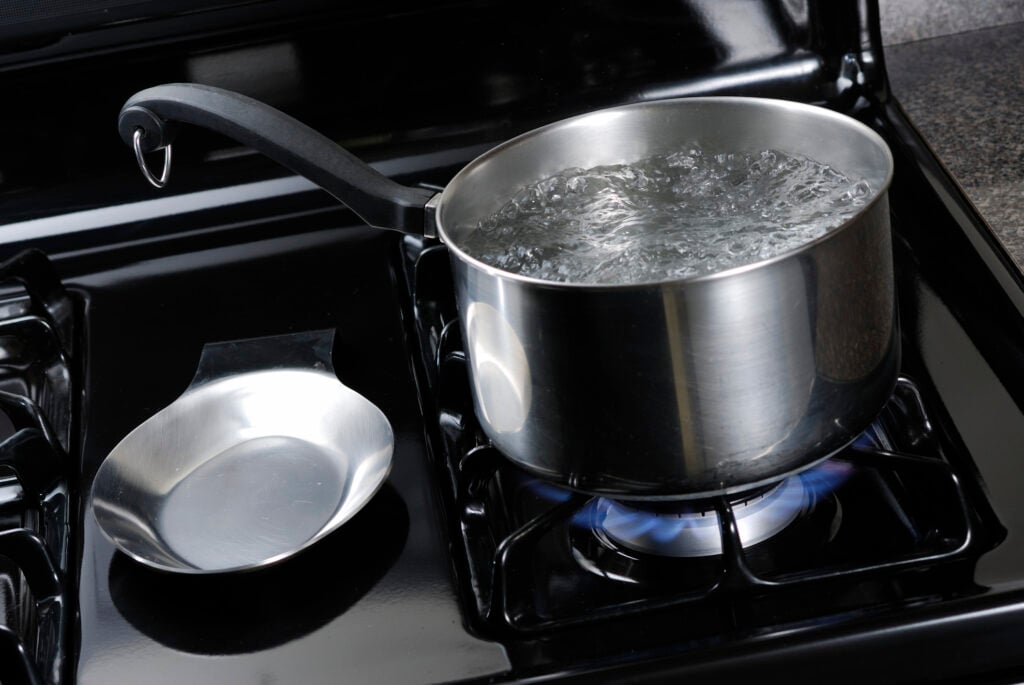
Boiling water is a common practice for water purification, especially when a

In recent years, you may have seen an increasing number of news

Most household water filters reduce common contaminants, but some chemicals are much harder to remove. One of them is 1,4-dioxane,...

Radioactive substances can occur naturally in well water, especially in areas where groundwater moves through rocks containing uranium and thorium....

Aluminum occurs naturally in soil and rock, but it can also enter drinking water through water treatment processes and certain...

A negative bacteria test is usually good news, but it doesn't tell you everything about your water. Standard tests for...

Finding arsenic in your well water is concerning, but knowing how much is present is only part of the picture....
A lease offer arrives, a permit notice goes up, or a drill rig appears down the road, and you realize...
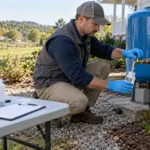
A lab result, a sharp smell from the tap, or a chlorine residual that will not hold can all lead...
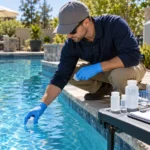
Your test strip looks fine, yet the pool is cloudy, the water has a green tint, or someone climbs out...

You open your water test report and find ND or a less-than sign beside the contaminant that worried you. Non-detect...