Chromium 6 Water Test: The Test With No Federal Limit
Your well report says chromium is under the limit, and
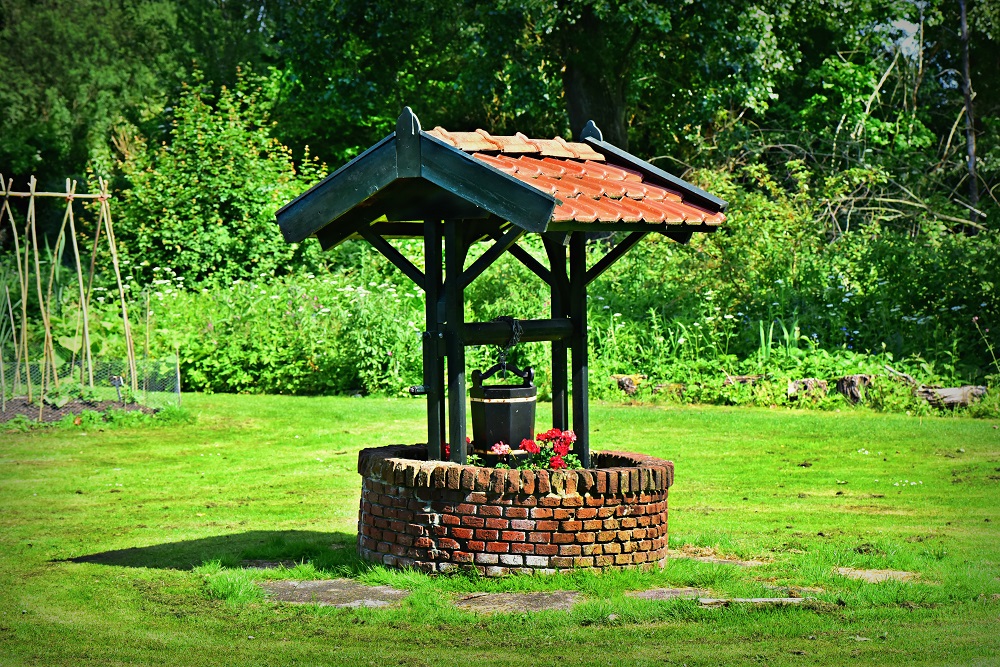
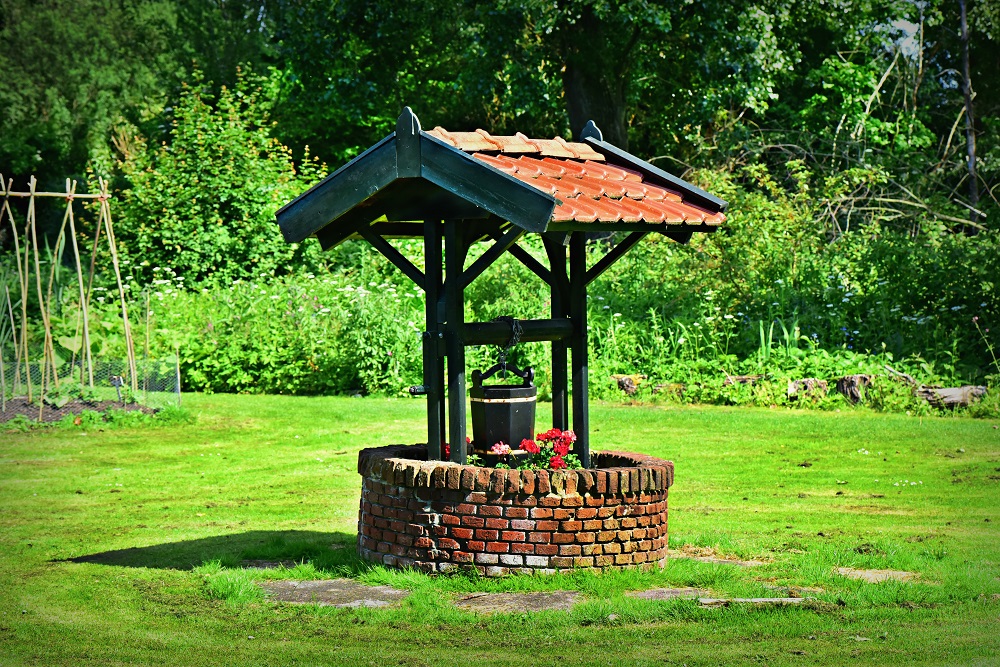
There are pros and cons of having your own well on your property rather than utilizing a public water system. One benefit is that you don’t have to pay a monthly fee for water usage, but a downside is that well water usually isn’t usually monitored as closely as a public water supply. Fortunately, regular well water testing will ensure that your water is safe to drink. Here’s what you need to know about the importance of water testing as part of good well maintenance.
Drinking water from public systems often contains chemicals from the purification process that well water may not contain. Well water is naturally filtered through aquifers, but that means that it can pick up other contaminants that are removed through a public water treatment process. Common sources of contamination in well water include nitrates or nitrites from fertilizer or processes that easily contaminate the soil. In some cases, the makeup of the soil itself may result in higher concentrations of contaminants that make their way into the water.
While you’re unlikely to have high levels of chlorine or fluoride from the natural aquifer filtration, there are other contaminants that you should have your water tested for. Bacteria, viruses, arsenic, copper, nitrate, nitrite, and uranium are all potential contaminants that may be found in your well water. Radon is another potential concern and occurs when the rocks in the soil contain radioactive elements that break down and release radon. Volatile organic compounds from fossil fuels can also make their way into your water, so it’s important to have comprehensive testing done to identify any problems.
A basic water testwill typically identify problems that would harm your home’s infrastructure, so it mainly checks for levels of minerals that would cause hard water problems or chemicals that could damage the plumbing. A higher-level test will identify elements that would be harmful to health, so when you’re checking out different types of water tests, be sure to find one that tests for bacteria, volatile organic compounds, chemicals, arsenic, radon, and other harmful contaminants.
If you’re purchasing a new home with a well, you should definitely have the water tested before you purchase the home. The Centers for Disease Control and Prevention also recommends checking the well every spring not only for mechanical issues but for contaminants that may have entered the aquifer because of spring runoff. Tests for bacteria, nitrite, and nitrate should be done yearly. A more thorough test that checks for hardness, arsenic, copper, chloride, VOC, and radon should be done every three to five years.
One of the most common questions private well owners ask is, “How often should I test my well water?” The answer depends on various factors, including environmental conditions, well type, and household needs. In this guide, we’ll explore the recommended testing frequencies for different situations to help you maintain safe and reliable drinking water.
The Environmental Protection Agency (EPA) recommends testing private well water at least once a year for the following basic contaminants:
Annual testing is the minimum recommendation, but certain situations warrant more frequent checks:
While annual testing covers the basics, a more comprehensive test is recommended every 3-5 years to check for a wider range of contaminants, including:
If you have infants, elderly family members, or immunocompromised individuals at home, consider testing more frequently, especially for bacteria and nitrates, to ensure safe drinking water.
Knowing how often to test your well water is essential for maintaining safe and reliable drinking water. By following these guidelines and adjusting your testing frequency based on environmental and household factors, you can protect your family’s health and well-being. Learn more about water testing services today.