
Chromium 6 Water Test: The Test With No Federal Limit
Your well report says chromium is under the limit, and
Free Shipping on Orders of $100 or More
From the Lab by ETR Laboratories
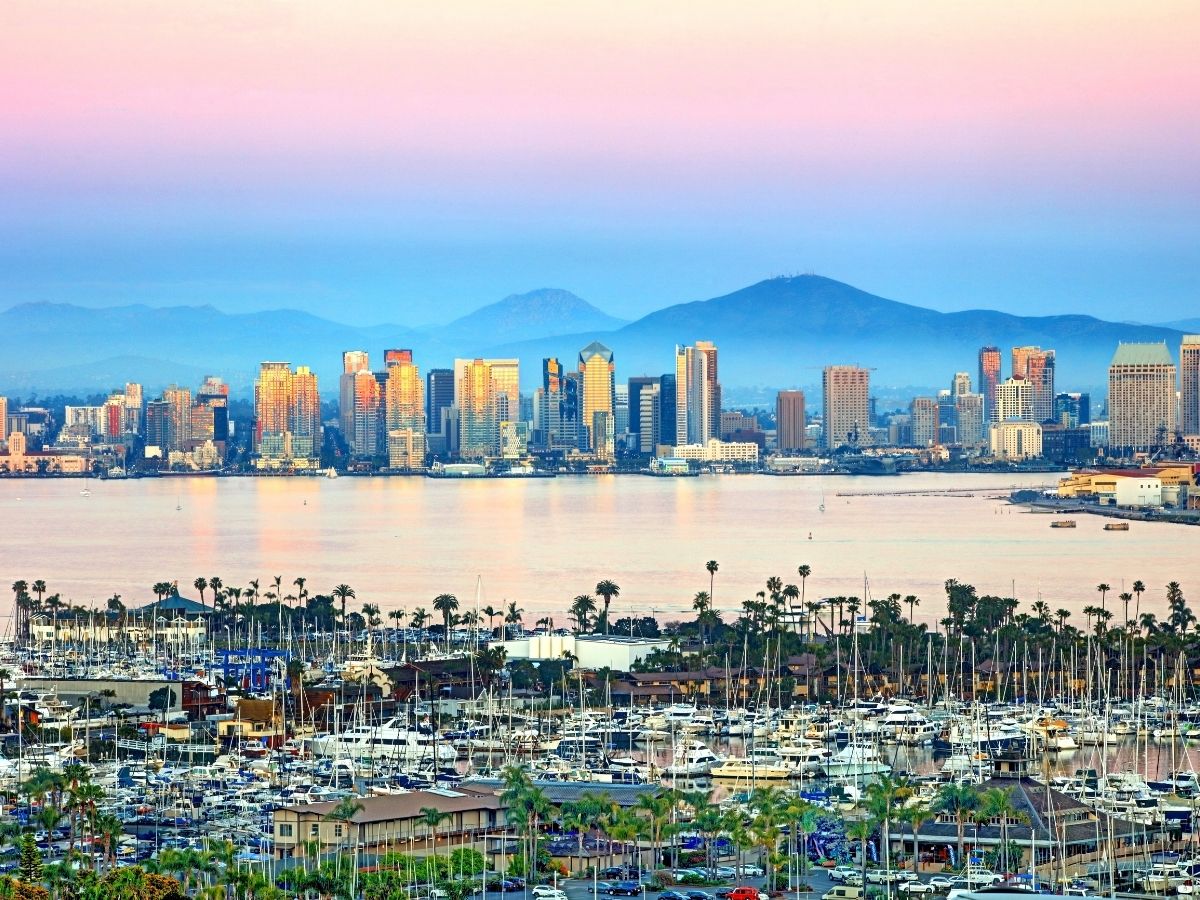
Mission Bay in San Diego draws an estimated 15 million visitors a year. It’s one of the most popular recreational water destinations in the country. And according to a report released in June 2026, it has a serious water quality problem that isn’t going away when it stops raining.
San Diego Coastkeeper’s 2025 Mission Bay Water Quality Monitoring Report documented two years of monthly testing at 10 locations throughout the bay. Bacteria levels surged across all sites following rainstorms, but the more alarming finding was that both Rose Creek and Tecolote Creek, which feed into the bay, consistently recorded elevated bacteria counts even during dry weather, exceeding state recreation safety standards at least half of the time.
At one location, Santa Clara Cove, bacteria levels from enterococci reached 2,369 per 100 milliliters, more than 20 times higher than the recreational standard. San Diego Junior Lifeguards were relocated out of an abundance of caution.
That’s the headline number. But the PFAS finding buried deeper in the report is the one that matters more for the conversation about drinking water.
Testing revealed up to 31 different PFAS compounds in a single sampling event in Mission Bay. Potential sources identified include industrial and commercial facilities upstream along Rose Creek and Tecolote Creek, as well as wastewater and urban runoff moving through heavily developed areas of the watershed.
Most people reading a story about Mission Bay think about swimming. That’s understandable. But what a report like this actually documents is how contaminants move through an urban watershed, and that movement doesn’t stop at the beach.
The persistence of bacterial contamination during dry weather strongly suggests chronic sources beyond storm runoff. Suspects include cracked sewer lines, failing private laterals, and illicit discharges into the storm drain system. Those are the same mechanisms we’ve written about in the context of aging infrastructure and drinking water distribution systems. Cracked sewer lines near a bay are the same cracked sewer lines near groundwater aquifers and distribution pipes.
San Diego faces a $5 billion stormwater infrastructure deficit. Much of the underground system was built decades ago and designed simply to move rainwater away from streets, not to handle the complex mix of pollutants that flow through a modern urban watershed.
The pattern here is not unique to San Diego. It is the same pattern playing out in cities and suburbs across the country: aging underground infrastructure, industrial and commercial contamination making its way into waterways, and the gap between what gets monitored and what actually affects people’s water.
The detail about contamination persisting during dry weather deserves more attention than it usually gets. Storm-related contamination is easy to explain and easy to dismiss: it rained, things got washed in, they’ll settle. Dry weather contamination does not have that convenient explanation. It means the source is continuous, not episodic. It means something is leaking or discharging consistently, regardless of weather conditions.
For people drawing water from wells near developed watersheds, or on city water supplied from surface water sources, dry weather contamination is the scenario that should prompt the most concern. Rain events are followed by recovery. Chronic contamination sources are followed by more contamination.
The Mission Bay report is a local story with a national lesson. Urban and suburban water sources are under sustained pressure from aging infrastructure, industrial history, and land use patterns that were never designed with water quality in mind. Surface water contamination finds its way into groundwater. Groundwater feeds wells and municipal supplies. The connections are real and they are documented.
If you are on a private well anywhere near developed land, a history of industrial or commercial activity, or a watershed that sees agricultural or urban runoff, periodic comprehensive testing is the most direct way to know what’s actually in your water. If you are on city water, independent testing at the point of use tells you what’s arriving at your tap, not just what left the treatment plant.
At ETR Laboratories, we test for bacteria, PFAS, heavy metals, VOCs, and the full range of contaminants relevant to both well and city water customers. We also offer recreational water testing for swimming areas, including total enterococci enumeration and E. coli enumeration, for property owners, campgrounds, lake associations, and anyone responsible for a body of water people swim in. Contact us for a free consultation at etrlabs.com/contact or browse our water testing options at etrlabs.com/water-tests.
Your well report says chromium is under the limit, and
A VOC kit arrives with small glass vials, a preservative
You open a water test report, or compare two test
Related Post.
Chromium 6 Water Test: The Test With No Federal Limit
Your well report says chromium is under the limit, and that may seem like the
How VOCs Are Tested in Well Water: Lab Method Explained
A VOC kit arrives with small glass vials, a preservative already inside, a no-bubble rule
Copper and Manganese: Why Some Water Tests Skip Them
You open a water test report, or compare two test kits side by side, and
Golf Course Pesticides and Your Well Water: What to Test
Field studies have found turf pesticides in some groundwater beneath golf courses, usually below health
Giardia and Cryptosporidium in Well Water: Can You Test?
After a stomach illness, a flood, or a neighbor’s warning about parasites, a passing bacteria
Uranium Water Test: The Well Test Most Owners Skip
Uranium has no color, taste, or smell, and the routine tests many well owners order
State Well Water Testing Requirements by Region: A Guide
Private well testing requirements vary by state, and your county or municipality may add rules
Inside the ETR Laboratory: How Samples Are Analyzed
Most people who order a water test never see what happens after they mail the
Home Water Filtration Systems Often Pay for Themselves. Here Is the Math.
From the Lab by ETR Laboratories Most people treat bottled water as a small household
City Water vs Well Water: Different Tests, Different Risks
City water and private well water are managed differently, so the reasons you may want
What Comes in an ETR Water Test Kit: A Full Breakdown
When your ETR Lab’s water test kit arrives, the first question is usually simple: what’s
How ETR Laboratories Tests Your Water, Step by Step
Water testing ads usually talk about the kit in your mailbox. The part that decides